1960s Apollo Apolo Skateship Wood Wooden Skateboard Skate Board Metal Wheels

1960s Apollo Apolo Skateship Wood Wooden Skateboard Skate Board Metal Wheels

1960s Apollo Apolo Skateship Wood Wooden Skateboard Skate Board Metal Wheels

1960s Apollo Apolo Skateship Wood Wooden Skateboard Skate Board Metal Wheels

1960s Apollo Apolo Skateship Wood Wooden Skateboard Skate Board Metal Wheels

1960s Apollo Apolo Skateship Wood Wooden Skateboard Skate Board Metal Wheels

1960s Apollo Apolo Skateship Wood Wooden Skateboard Skate Board Metal Wheels

1960s Apollo Apolo Skateship Wood Wooden Skateboard Skate Board Metal Wheels

1960s Apollo Apolo Skateship Wood Wooden Skateboard Skate Board Metal Wheels

1960s Apollo Apolo Skateship Wood Wooden Skateboard Skate Board Metal Wheels

1960s Apollo Apolo Skateship Wood Wooden Skateboard Skate Board Metal Wheels

1960s Apollo Apolo Skateship Wood Wooden Skateboard Skate Board Metal Wheels

1960s Apollo Apolo Skateship Wood Wooden Skateboard Skate Board Metal Wheels

1960s Apollo Apolo Skateship Wood Wooden Skateboard Skate Board Metal Wheels

1960s Apollo Apolo Skateship Wood Wooden Skateboard Skate Board Metal Wheels

1960s Apollo Apolo Skateship Wood Wooden Skateboard Skate Board Metal Wheels

1960s Apollo Apolo Skateship Wood Wooden Skateboard Skate Board Metal Wheels

1960s Apollo Apolo Skateship Wood Wooden Skateboard Skate Board Metal Wheels

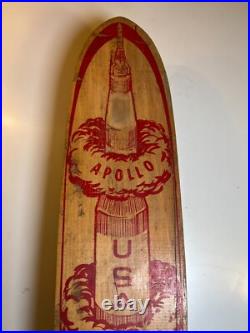
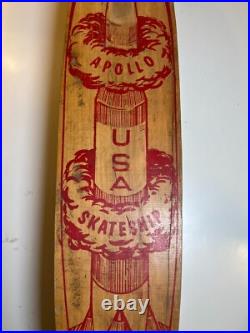
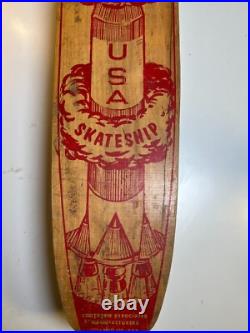
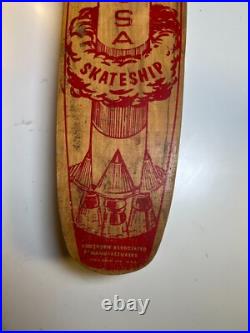
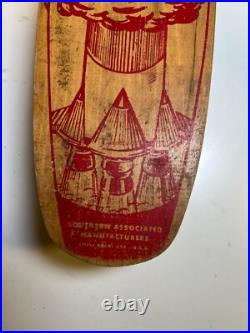
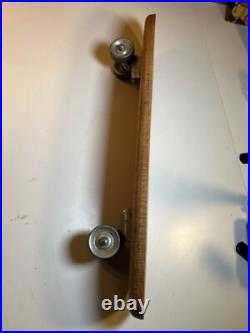
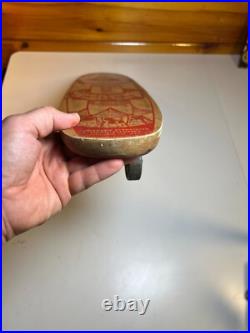
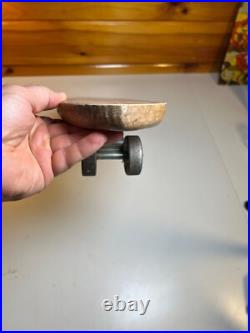
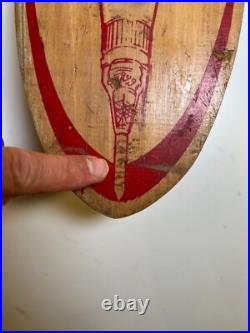
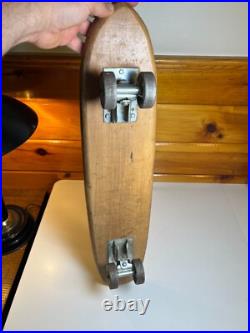
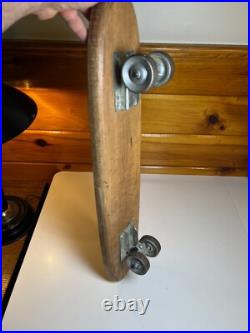
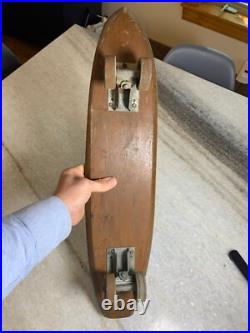
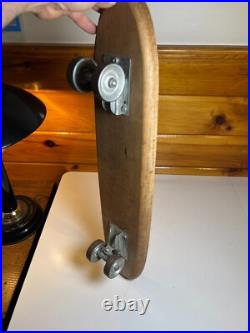
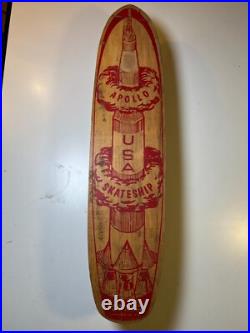
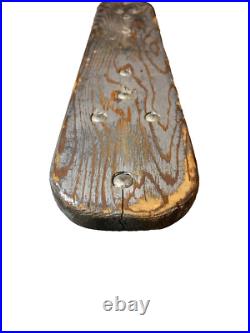
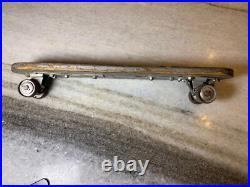
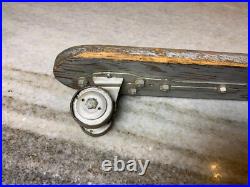
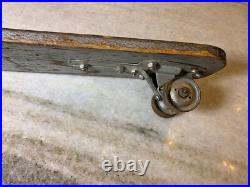
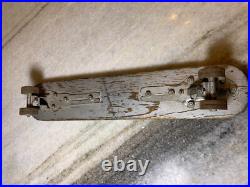
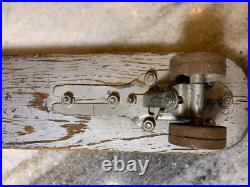
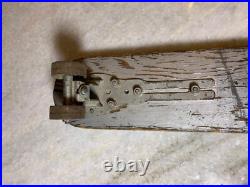
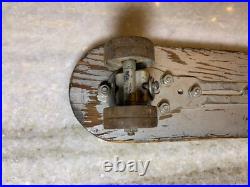
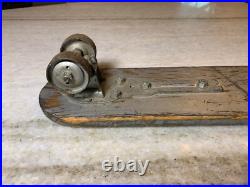
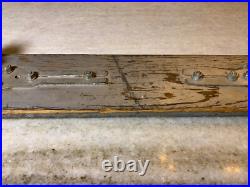
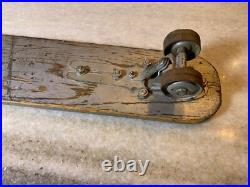
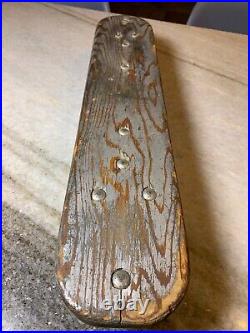
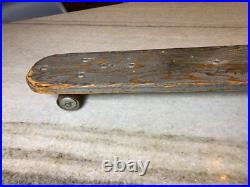
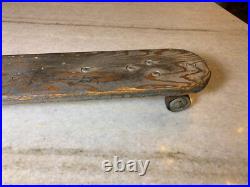
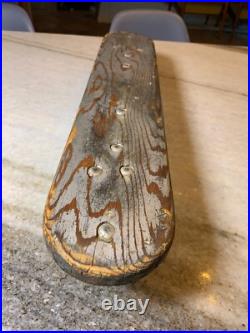
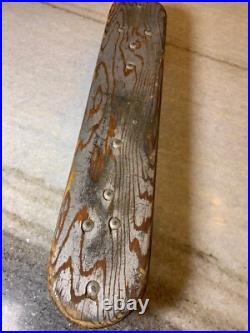
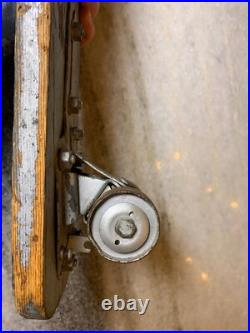
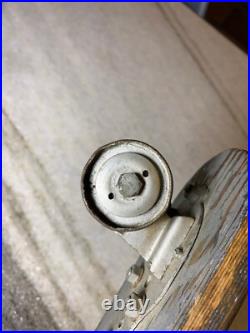
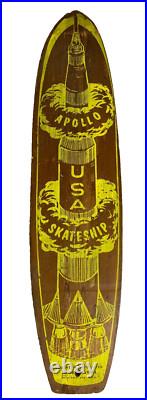
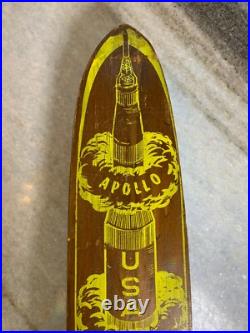
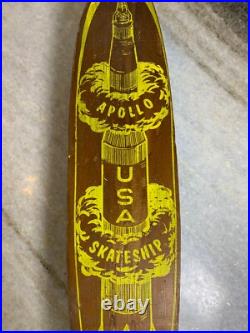
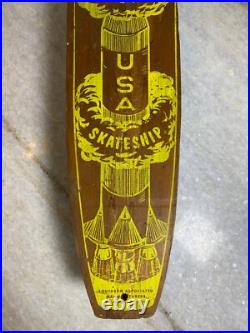
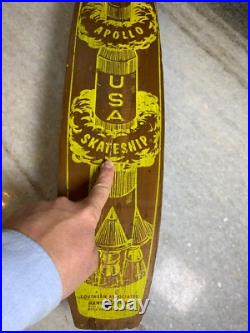
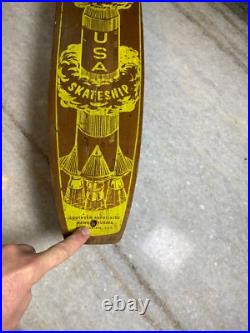
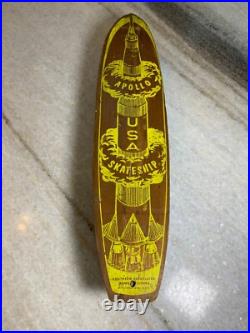
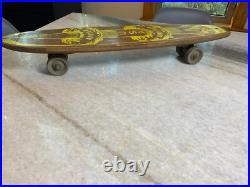
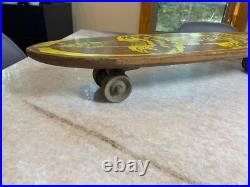
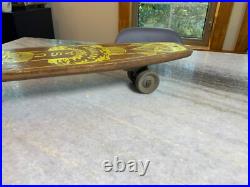
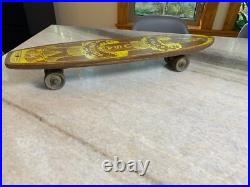
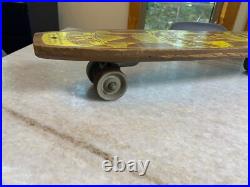
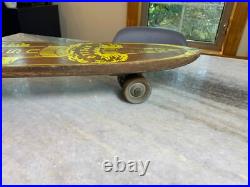
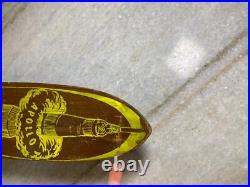
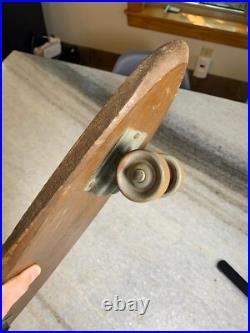
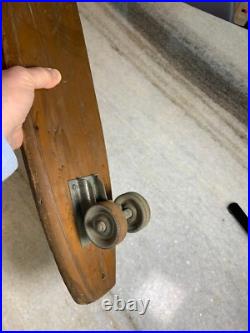
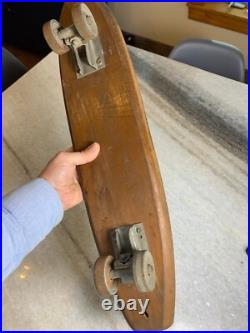
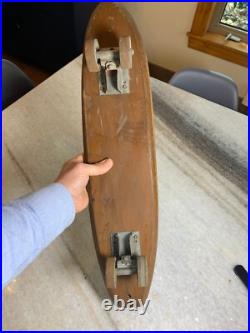
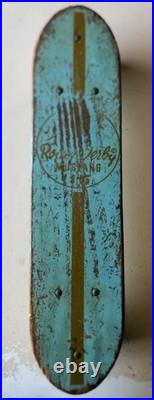
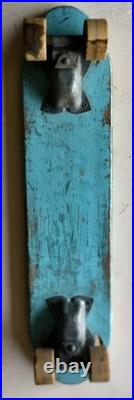
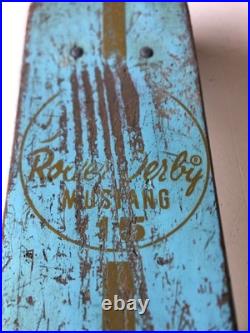
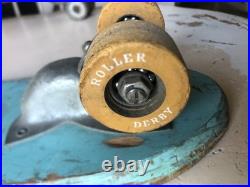
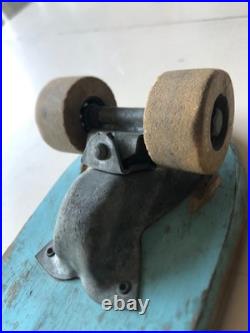
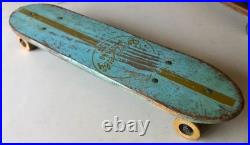
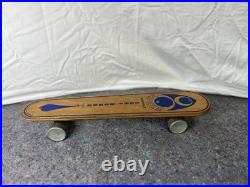
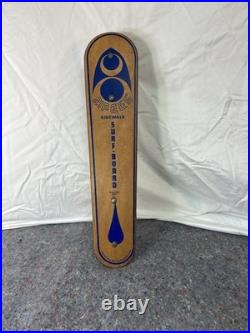
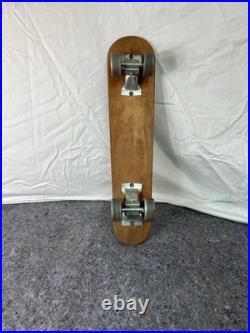
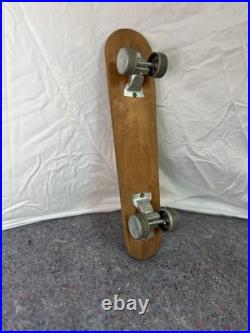
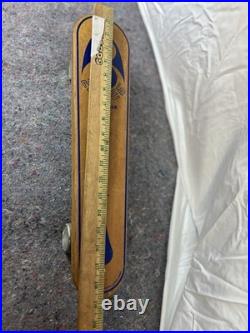
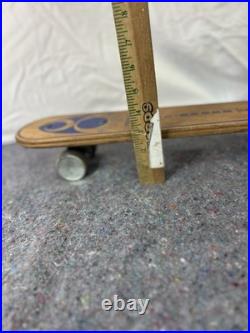
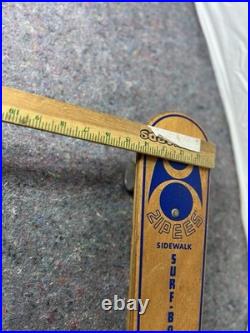
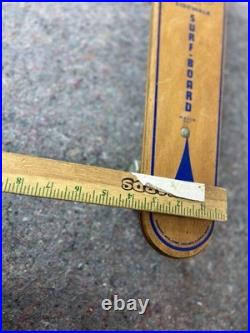
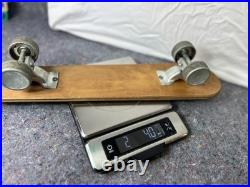
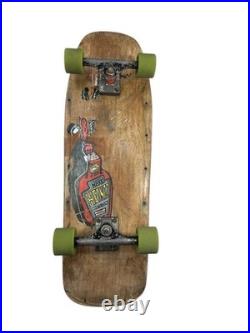
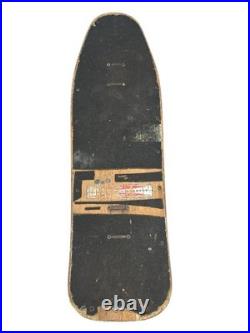
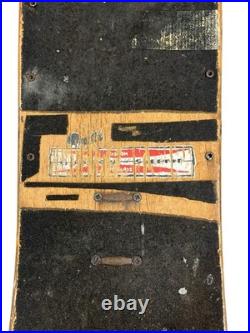
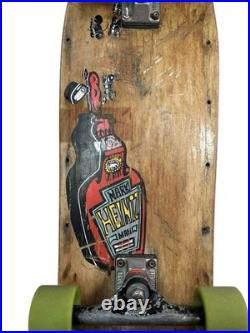
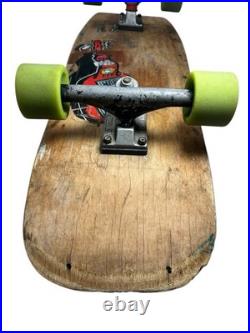
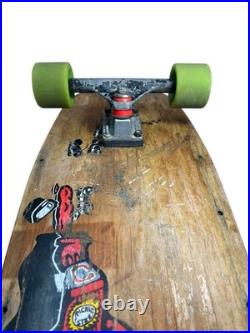
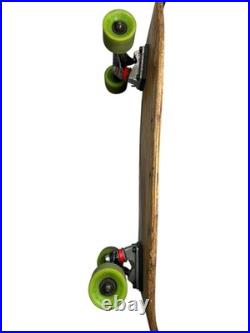
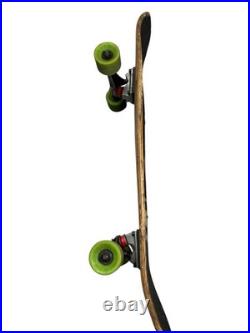
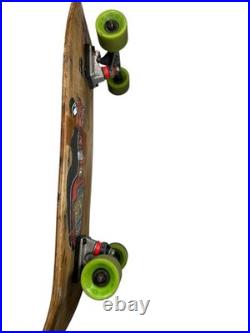
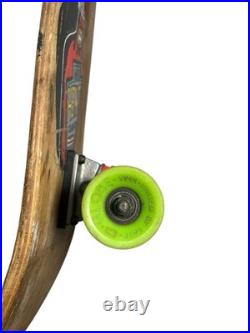
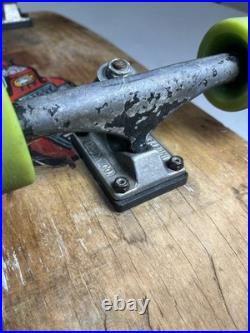
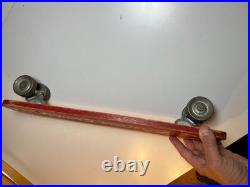
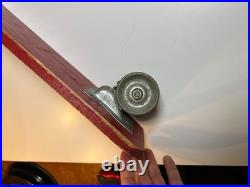
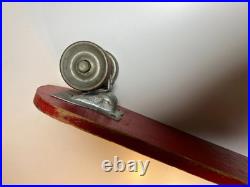
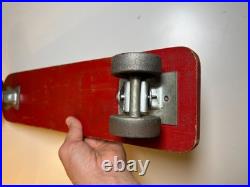
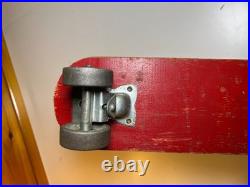
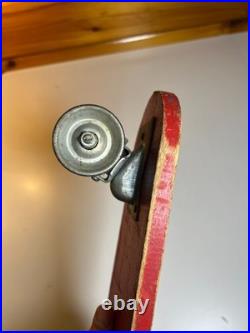
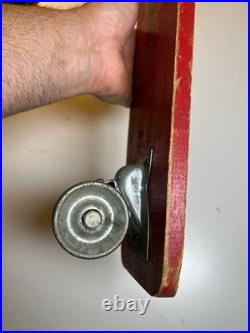
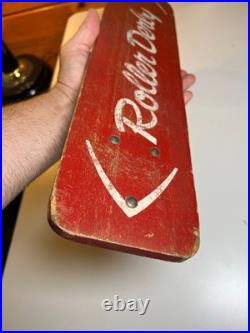
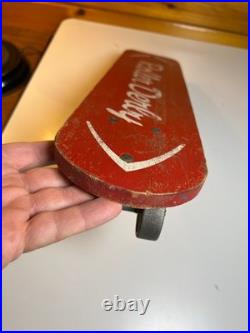
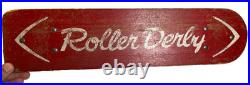
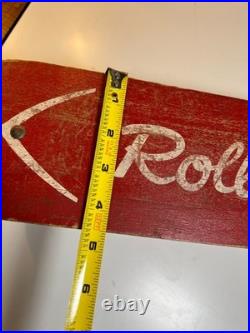
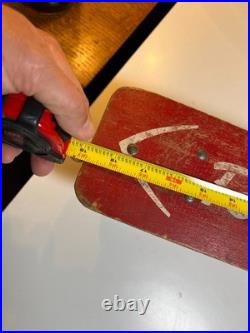
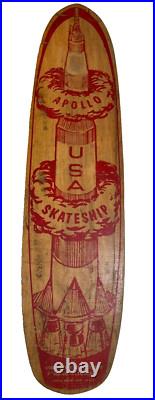
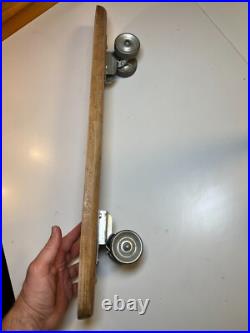
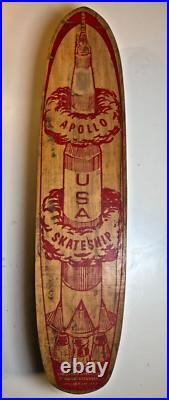
The Holy Grail if you ask me.. Remembering our historical 1960s ventures into outer space (Apollo happened in’61). Its of the era whereby these first wooden boards with metal wheels were meant to teach you how to surf by what was assumed to be easier… This one is in better shape than many… And these are very rare. Note the is a faint “Larry” written in faded marker in the very top, tip, of the rocket (see finger point pics). Graphics are brighter and more complete with fine details than many examples; Lovely example. Made in Little Rock Arkansas! 23.25″ L x 5.5″ W. It doesn’t get cool than this folks! Vintage space travel meets vintage skateboarding! However, before skateboards there were scooters, sometimes known as kick scooters and push scooters. Varied forms of scooters have been traced back to the early 1900s, most of them made from wood, metal, or a combination of the two. Scooters had anywhere from two to four wheels. Some of the wheels were metal and others were similar to the wheels on pedal cars. In the 1940s and 1950s, crate scooters made popular sidewalk vehicles. Most crate scooters were handmade. They were relatively inexpensive and simple for kids to construct by using a milk crate or wooden fruit box and metal roller skate wheels attached to a wooden 2 x 4. Eventually kids started removing the boxes and handlebars and just started riding the board with wheels, reminiscent of the famous skateboard scene in the 1985 film. Back to the Future. By the early 1960s, skateboarding started luring participants from the surfer scene. In 1962 a southern California surf shop, Val Surf, began making its own brand of skateboards and struck a deal with Chicago Roller Skate Company for the wheels. The skateboards began to attract everyday surfers who could use the boards when they weren’t in the water, and thus the term “sidewalk surfer” was coined. Additionally, skateboarding gained popularity when Larry Stevenson, publisher of. Promoted it in his monthly magazine. In 1963, Stevenson made the first professional skateboards using the Makaha brand and organized the first known skateboarding contest. That same year saw an evolution in skateboard design with the use of clay (also known as composite) wheels that replaced treacherous metal ones. Moving ahead, in 1964 surf and sailing entrepreneur Hobart “Hobie” Alter joined forces with Vita-Pakt company to make a line of Hobie skateboards; the Hobie line also sponsored several contests and professional skaters. Later that summer, the musical group Jan and Dean performed Sidewalk Surfin. On Dick Clark’s. An event which helped further popularize skateboarding with mainstream society. In 1965, the skateboarding sport peaked as manufacturers tried to keep up with the demand, cranking out an estimated 50 million skateboards between 1963 and 1965. In May, the world’s first skatepark, Surf City in Tucson, Arizona opened to the public.. Skateboard with metal trucks. Old wooden skate deck. Metal wheels for smooth ride. Wooden skateboard with metal wheels. Retro metal wheels skateboard. 60s era skate deck. Vintage skateboard with character. Wooden skateboard with retro charm. Metal wheels for vintage feel. Classic wooden skateboard design. Vintage skateboard for collectors. Antique metal wheels skateboard. Vintage skateboard with history. Wooden deck with metal wheels. Classic skateboard with character. Vintage skateboard from Little Rock, Arkansas.
Vintage EARLY 1950s Sidewalk Surfboard Surf Board Wooden Skateboard Metal Wheels

Vintage EARLY 1950s Sidewalk Surfboard Surf Board Wooden Skateboard Metal Wheels

Vintage EARLY 1950s Sidewalk Surfboard Surf Board Wooden Skateboard Metal Wheels

Vintage EARLY 1950s Sidewalk Surfboard Surf Board Wooden Skateboard Metal Wheels

Vintage EARLY 1950s Sidewalk Surfboard Surf Board Wooden Skateboard Metal Wheels

Vintage EARLY 1950s Sidewalk Surfboard Surf Board Wooden Skateboard Metal Wheels

Vintage EARLY 1950s Sidewalk Surfboard Surf Board Wooden Skateboard Metal Wheels

Vintage EARLY 1950s Sidewalk Surfboard Surf Board Wooden Skateboard Metal Wheels

Vintage EARLY 1950s Sidewalk Surfboard Surf Board Wooden Skateboard Metal Wheels

Vintage EARLY 1950s Sidewalk Surfboard Surf Board Wooden Skateboard Metal Wheels

Vintage EARLY 1950s Sidewalk Surfboard Surf Board Wooden Skateboard Metal Wheels

Vintage EARLY 1950s Sidewalk Surfboard Surf Board Wooden Skateboard Metal Wheels

Vintage EARLY 1950s Sidewalk Surfboard Surf Board Wooden Skateboard Metal Wheels

Vintage EARLY 1950s Sidewalk Surfboard Surf Board Wooden Skateboard Metal Wheels

Vintage EARLY 1950s Sidewalk Surfboard Surf Board Wooden Skateboard Metal Wheels

Vintage EARLY 1950s Sidewalk Surfboard Surf Board Wooden Skateboard Metal Wheels

Vintage EARLY 1950s Sidewalk Surfboard Surf Board Wooden Skateboard Metal Wheels

Vintage EARLY 1950s Sidewalk Surfboard Surf Board Wooden Skateboard Metal Wheels

Vintage EARLY 1950s Sidewalk Surfboard Surf Board Wooden Skateboard Metal Wheels

Vintage EARLY 1950s Sidewalk Surfboard Surf Board Wooden Skateboard Metal Wheels

Vintage EARLY 1950s Sidewalk Surfboard Surf Board Wooden Skateboard Metal Wheels

Vintage EARLY 1950s Sidewalk Surfboard Surf Board Wooden Skateboard Metal Wheels

Vintage EARLY 1950s Sidewalk Surfboard Surf Board Wooden Skateboard Metal Wheels

Vintage EARLY 1950s Sidewalk Surfboard Surf Board Wooden Skateboard Metal Wheels

Vintage EARLY 1950s Sidewalk Surfboard Surf Board Wooden Skateboard Metal Wheels

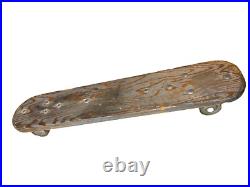
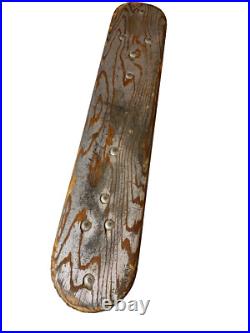
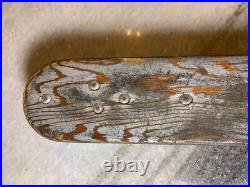
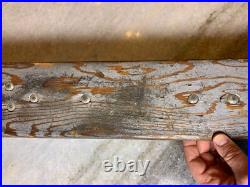
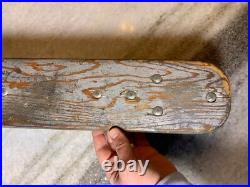
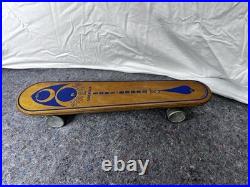
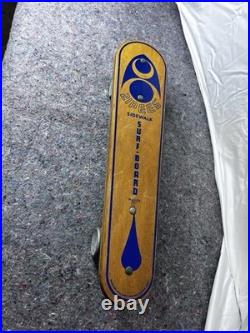
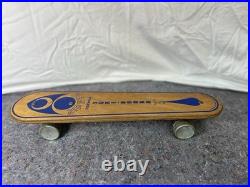
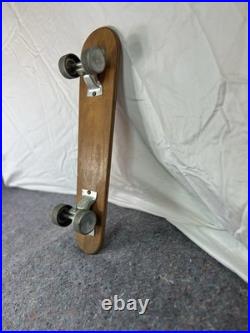
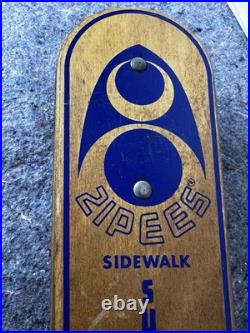
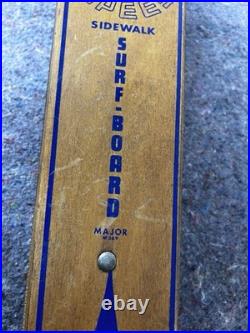
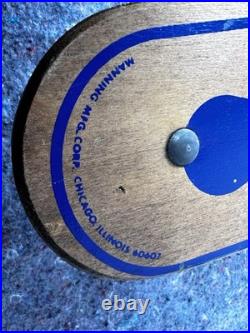
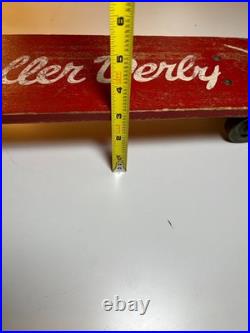
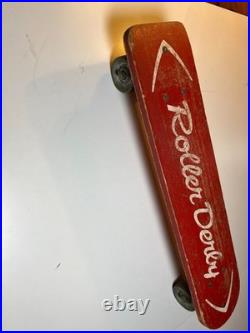
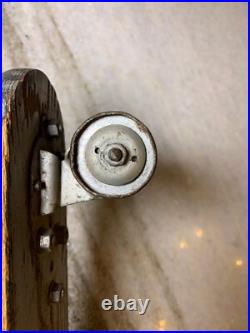
Looks like it may be 1950s.. I love the 50s style chrome paint with woodgrain popping through! I have never seen metal wheels with this same elongated support system underneath (and extra bolts)! Please note the condition of the wheels.. Several are not perfectly round… And attest to the story this board could tell… That massive jump, that double-dog-dare, that friendly push.. 22″ L x 4.25″ W x 3.25 T. However, before skateboards there were scooters, sometimes known as kick scooters and push scooters. Varied forms of scooters have been traced back to the early 1900s, most of them made from wood, metal, or a combination of the two. Scooters had anywhere from two to four wheels. Some of the wheels were metal and others were similar to the wheels on pedal cars. In the 1940s and 1950s, crate scooters made popular sidewalk vehicles. Most crate scooters were handmade. They were relatively inexpensive and simple for kids to construct by using a milk crate or wooden fruit box and metal roller skate wheels attached to a wooden 2 x 4. Eventually kids started removing the boxes and handlebars and just started riding the board with wheels, reminiscent of the famous skateboard scene in the 1985 film. Back to the Future. By the early 1960s, skateboarding started luring participants from the surfer scene. In 1962 a southern California surf shop, Val Surf, began making its own brand of skateboards and struck a deal with Chicago Roller Skate Company for the wheels. The skateboards began to attract everyday surfers who could use the boards when they weren’t in the water, and thus the term “sidewalk surfer” was coined. Additionally, skateboarding gained popularity when Larry Stevenson, publisher of. Promoted it in his monthly magazine. In 1963, Stevenson made the first professional skateboards using the Makaha brand and organized the first known skateboarding contest. That same year saw an evolution in skateboard design with the use of clay (also known as composite) wheels that replaced treacherous metal ones. Moving ahead, in 1964 surf and sailing entrepreneur Hobart “Hobie” Alter joined forces with Vita-Pakt company to make a line of Hobie skateboards; the Hobie line also sponsored several contests and professional skaters. Later that summer, the musical group Jan and Dean performed Sidewalk Surfin. On Dick Clark’s. An event which helped further popularize skateboarding with mainstream society. In 1965, the skateboarding sport peaked as manufacturers tried to keep up with the demand, cranking out an estimated 50 million skateboards between 1963 and 1965. In May, the world’s first skatepark, Surf City in Tucson, Arizona opened to the public.. Skateboard with metal trucks. Old wooden skate deck. Metal wheels for smooth ride. Wooden skateboard with metal wheels. Retro metal wheels skateboard. 60s era skate deck. Vintage skateboard with character. Wooden skateboard with retro charm. Metal wheels for vintage feel. Classic wooden skateboard design. Vintage skateboard for collectors. Antique metal wheels skateboard. Vintage skateboard with history. Wooden deck with metal wheels. Classic skateboard with character. Vintage skateboard from Little Rock, Arkansas.
1960s Apollo Apolo Skateship Wood Wooden Skateboard Skate Board Metal Wheels

1960s Apollo Apolo Skateship Wood Wooden Skateboard Skate Board Metal Wheels

1960s Apollo Apolo Skateship Wood Wooden Skateboard Skate Board Metal Wheels

1960s Apollo Apolo Skateship Wood Wooden Skateboard Skate Board Metal Wheels

1960s Apollo Apolo Skateship Wood Wooden Skateboard Skate Board Metal Wheels

1960s Apollo Apolo Skateship Wood Wooden Skateboard Skate Board Metal Wheels

1960s Apollo Apolo Skateship Wood Wooden Skateboard Skate Board Metal Wheels

1960s Apollo Apolo Skateship Wood Wooden Skateboard Skate Board Metal Wheels

1960s Apollo Apolo Skateship Wood Wooden Skateboard Skate Board Metal Wheels

1960s Apollo Apolo Skateship Wood Wooden Skateboard Skate Board Metal Wheels

1960s Apollo Apolo Skateship Wood Wooden Skateboard Skate Board Metal Wheels

1960s Apollo Apolo Skateship Wood Wooden Skateboard Skate Board Metal Wheels

1960s Apollo Apolo Skateship Wood Wooden Skateboard Skate Board Metal Wheels

1960s Apollo Apolo Skateship Wood Wooden Skateboard Skate Board Metal Wheels

1960s Apollo Apolo Skateship Wood Wooden Skateboard Skate Board Metal Wheels

1960s Apollo Apolo Skateship Wood Wooden Skateboard Skate Board Metal Wheels

1960s Apollo Apolo Skateship Wood Wooden Skateboard Skate Board Metal Wheels

1960s Apollo Apolo Skateship Wood Wooden Skateboard Skate Board Metal Wheels

1960s Apollo Apolo Skateship Wood Wooden Skateboard Skate Board Metal Wheels

1960s Apollo Apolo Skateship Wood Wooden Skateboard Skate Board Metal Wheels

The Holy Grail if you ask me.. Remembering our historical 1960s ventures into outer space (Apollo happened in’61). Its of the era whereby these first wooden boards with metal wheels were meant to teach you how to surf by w hat was assumed to be easier… This one is in better shape than many… And these are very rare. Made in Little Rock Arkansas! 23.25″ L x 5.5″ W. It doesn’t get cool than this folks! Vintage space travel meets vintage skateboarding! However, before skateboards there were scooters, sometimes known as kick scooters and push scooters. Varied forms of scooters have been traced back to the early 1900s, most of them made from wood, metal, or a combination of the two. Scooters had anywhere from two to four wheels. Some of the wheels were metal and others were similar to the wheels on pedal cars. In the 1940s and 1950s, crate scooters made popular sidewalk vehicles. Most crate scooters were handmade. They were relatively inexpensive and simple for kids to construct by using a milk crate or wooden fruit box and metal roller skate wheels attached to a wooden 2 x 4. Eventually kids started removing the boxes and handlebars and just started riding the board with wheels, reminiscent of the famous skateboard scene in the 1985 film. Back to the Future. By the early 1960s, skateboarding started luring participants from the surfer scene. In 1962 a southern California surf shop, Val Surf, began making its own brand of skateboards and struck a deal with Chicago Roller Skate Company for the wheels. The skateboards began to attract everyday surfers who could use the boards when they weren’t in the water, and thus the term “sidewalk surfer” was coined. Additionally, skateboarding gained popularity when Larry Stevenson, publisher of. Promoted it in his monthly magazine. In 1963, Stevenson made the first professional skateboards using the Makaha brand and organized the first known skateboarding contest. That same year saw an evolution in skateboard design with the use of clay (also known as composite) wheels that replaced treacherous metal ones. Moving ahead, in 1964 surf and sailing entrepreneur Hobart “Hobie” Alter joined forces with Vita-Pakt company to make a line of Hobie skateboards; the Hobie line also sponsored several contests and professional skaters. Later that summer, the musical group Jan and Dean performed Sidewalk Surfin. On Dick Clark’s. An event which helped further popularize skateboarding with mainstream society. In 1965, the skateboarding sport peaked as manufacturers tried to keep up with the demand, cranking out an estimated 50 million skateboards between 1963 and 1965. In May, the world’s first skatepark, Surf City in Tucson, Arizona opened to the public.. Skateboard with metal trucks. Old wooden skate deck. Metal wheels for smooth ride. Wooden skateboard with metal wheels. Retro metal wheels skateboard. 60s era skate deck. Vintage skateboard with character. Wooden skateboard with retro charm. Metal wheels for vintage feel. Classic wooden skateboard design. Vintage skateboard for collectors. Antique metal wheels skateboard. Vintage skateboard with history. Wooden deck with metal wheels. Classic skateboard with character. Vintage skateboard from Little Rock, Arkansas.
Pepsi Racing Xtreme Offroad Skateboard 36 Vintage Promo Board Rare 2000s

Pepsi Racing Xtreme Offroad Skateboard 36 Vintage Promo Board Rare 2000s

Pepsi Racing Xtreme Offroad Skateboard 36 Vintage Promo Board Rare 2000s

Pepsi Racing Xtreme Offroad Skateboard 36 Vintage Promo Board Rare 2000s

Pepsi Racing Xtreme Offroad Skateboard 36 Vintage Promo Board Rare 2000s

Pepsi Racing Xtreme Offroad Skateboard 36 Vintage Promo Board Rare 2000s

Pepsi Racing Xtreme Offroad Skateboard 36 Vintage Promo Board Rare 2000s

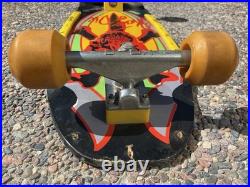
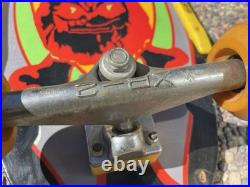
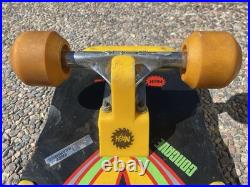
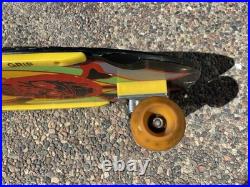
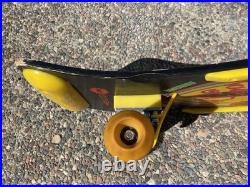
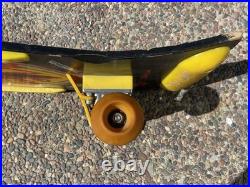
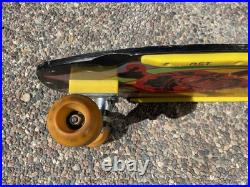
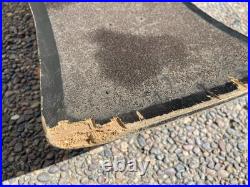
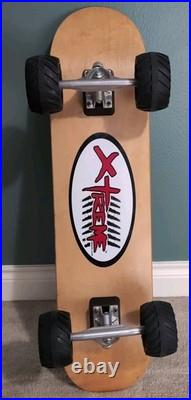
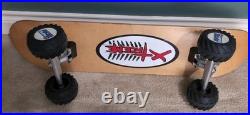
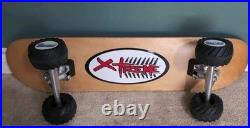
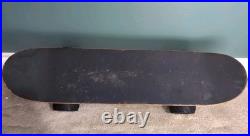
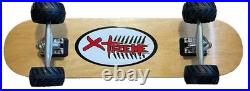
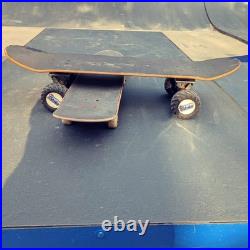
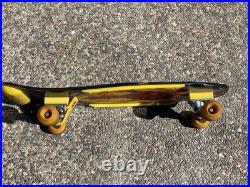
This Pepsi Racing Xtreme Offroad Skateboard is an exceptionally rare promotional board believed to have been released in the early 2000s as part of a Pepsi Racing contest or giveaway. Very few were ever made, and almost none surface today. Built in the style of an offroad cruiser, this deck measures 36″ long by 8.75″ wide and still has its original trucks, wheels, and hardware. The setup includes 9.75″ trucks, 4″ diameter x 2? ” wide wheels, and XT “Xtreme construction that gives it a sturdy, heavy feel. It’s been ridden lightly down a few hills – so there’s some dirt on the grip tape – and the bushings have deteriorated from age, but everything else appears original and solid. This is one of the rarest promotional skateboards out there – a true crossover between Pepsi memorabilia and extreme sports history. Perfect for display or restoration. Brand: Pepsi Racing Xtreme. Type: Promotional Offroad Skateboard. 9.75 wide (original). Wheels: 4″ diameter x 2? ” wide (original). Condition: Lightly used, original setup. Notes: Grip tape has some dirt; bushings deteriorated due to age. Era: Early 2000s promotional giveaway (believed to be via Safeway contest). Collector Note: All original components. No confirmed reissues or replicas found – the last known public listing dates back over a decade. If you know more about this board or its origins, I’d genuinely love to hear from you – there’s almost no documentation on it, and I’d like to keep its history alive. Why Cypress Grind Co. ? Every order goes out waxed, packed, and ready to roll. The Cypress Grind Promise. Just send us a quick message and we’ll make it right. If yours takes longer than 10 days, reach out and we’ll track it down or make it right. If something shows up wrong or damaged, don’t open a return case- message us first. We’re faster and friendlier that way. We’ll even send you a free return label. Got a question, concern, or random story about your order? We usually reply within 24 hours (sometimes faster if the coffee’s fresh). If we missed the mark, please reach out first – we fix things quick and fair. Don’t believe us? It speaks for itself. Thanks for supporting small business and keeping The Cypress Grind rolling.

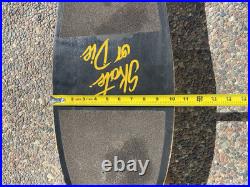
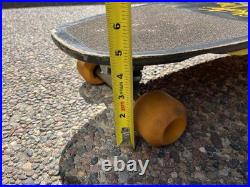
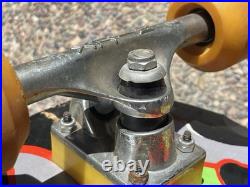
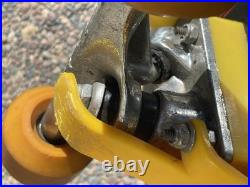
Original Rad Board RARE Skateboard/Scooter 80s 90s

Original Rad Board RARE Skateboard/Scooter 80s 90s

Original Rad Board RARE Skateboard/Scooter 80s 90s

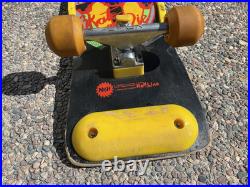
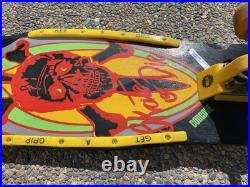
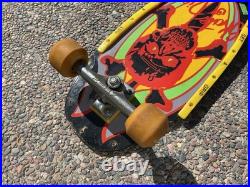
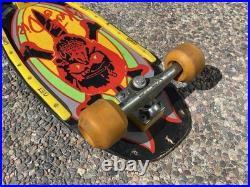
The “Original Rad Board” is a rare 80s-inspired skateboard or scooter designed to evoke nostalgia for the retro style of the era. With its unique and vintage design, this product is sure to appeal to collectors and enthusiasts of 80s culture. Whether for cruising or commuting, this board combines classic aesthetics with modern functionality, making it a standout choice for those looking to add a touch of retro flair to their ride.