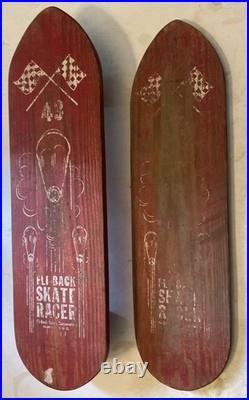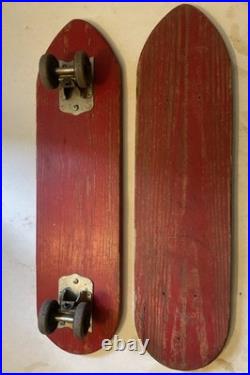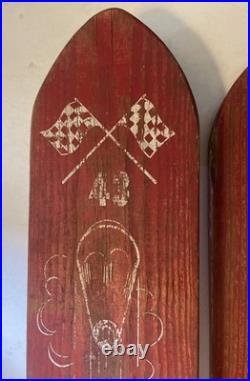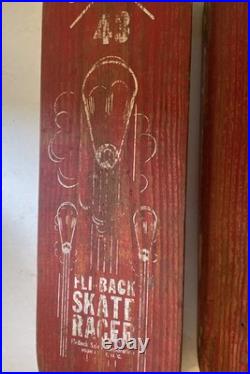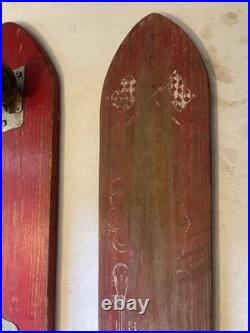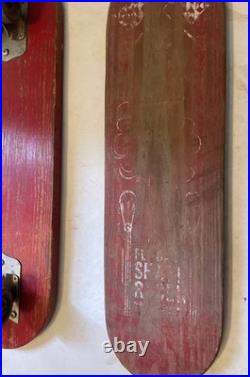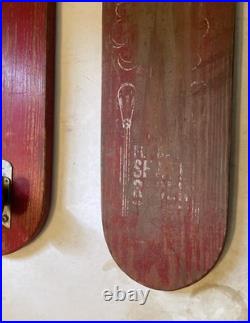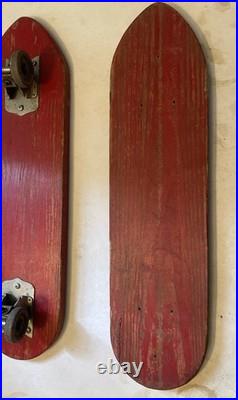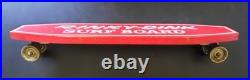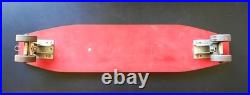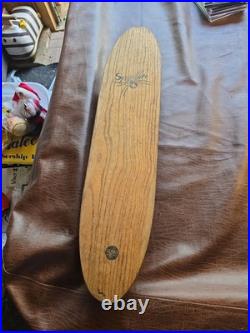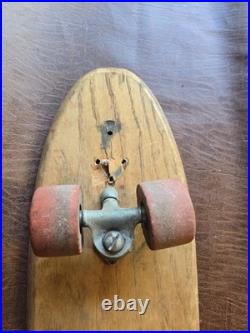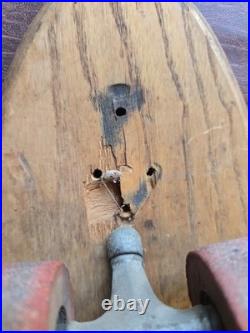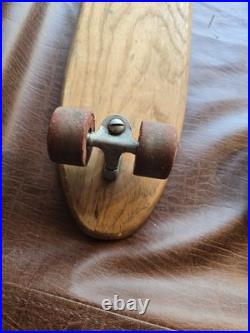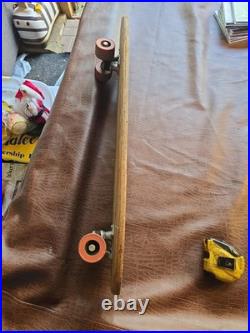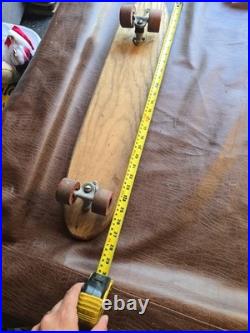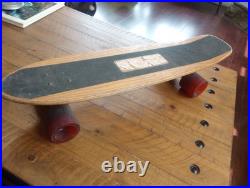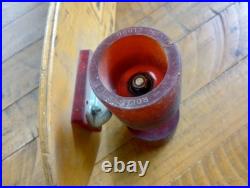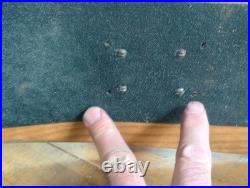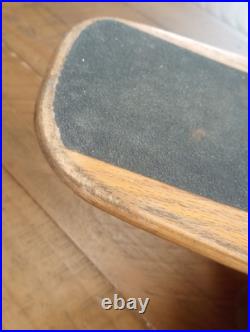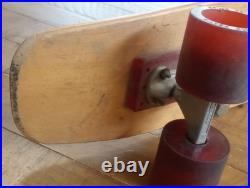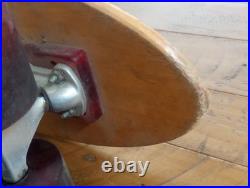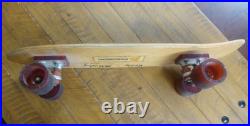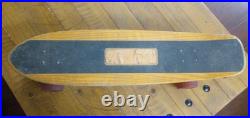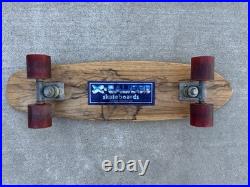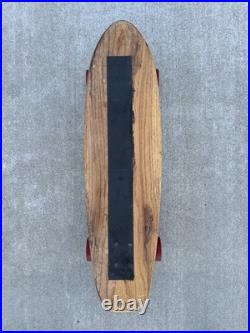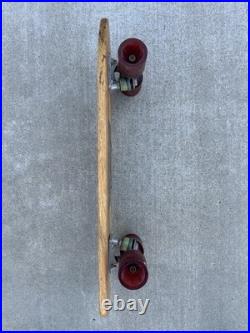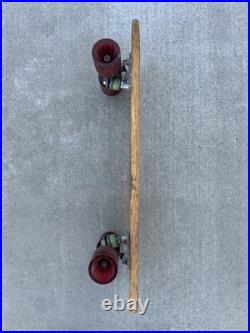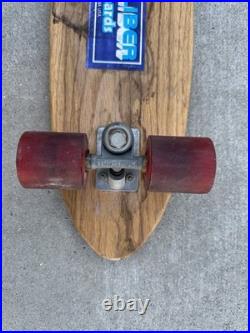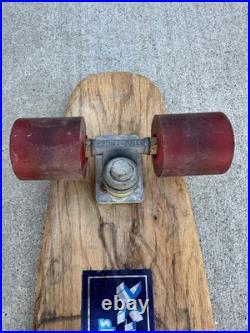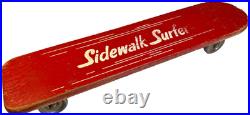
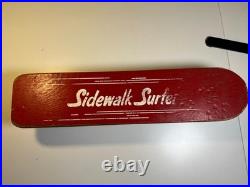
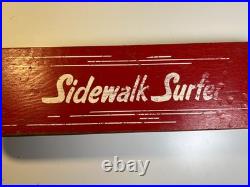
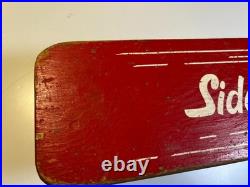
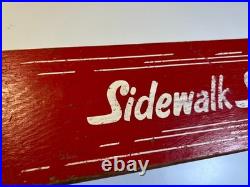
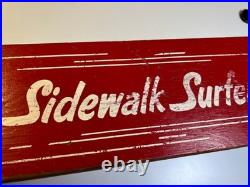
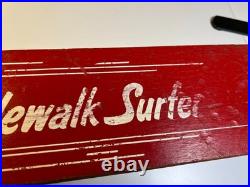
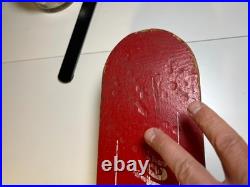
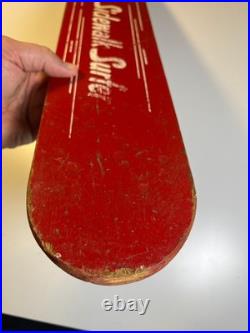
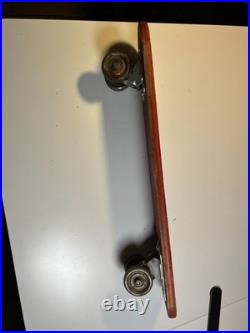
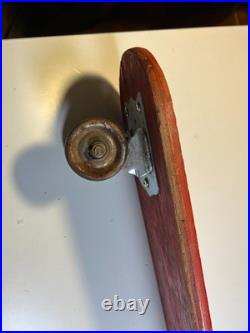
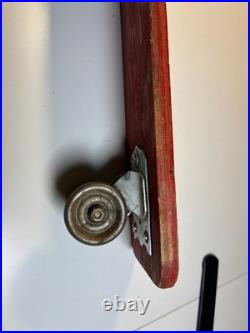
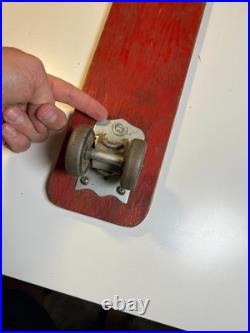
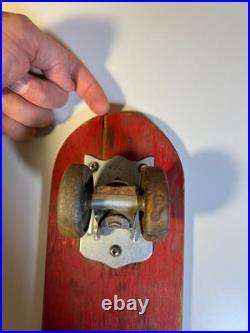
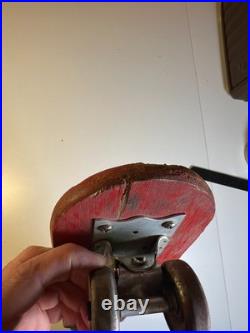
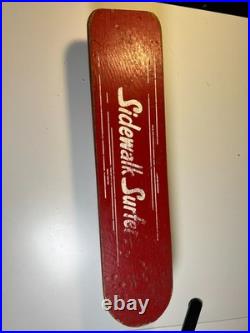
This one is pretty beat but would make a Great Wall hanger or display piece! The Vintage Skateboard 1990 Spider-Man Marvel Skate Collectible Wooden Board is a rare and unique sidewalk surfboard featuring a design inspired by the iconic Marvel superhero, Spider-Man. This collectible piece is a must-have for any skateboarding enthusiast or fan of vintage memorabilia. The wooden construction adds a classic touch to the board, making it a standout addition to any collection of skateboard gear.
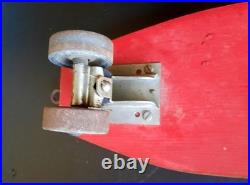
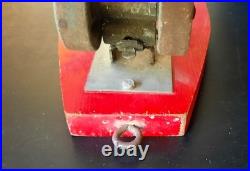
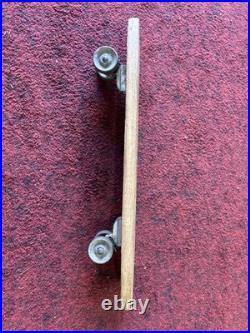
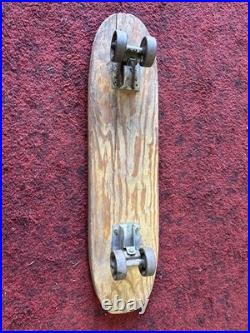
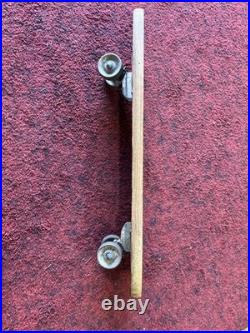
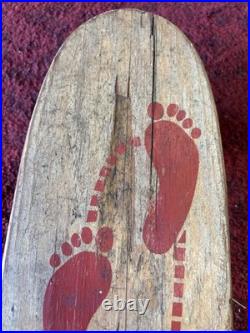
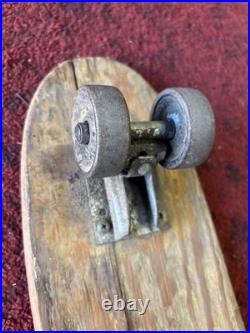
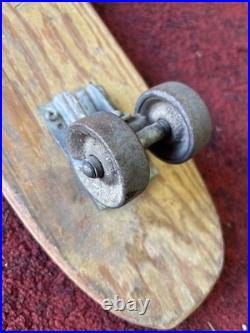
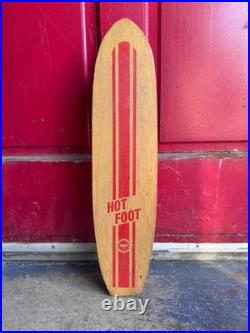
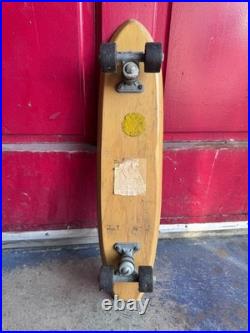
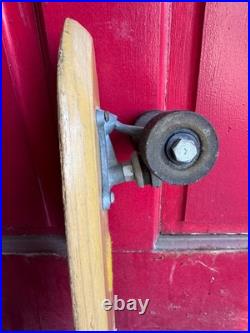
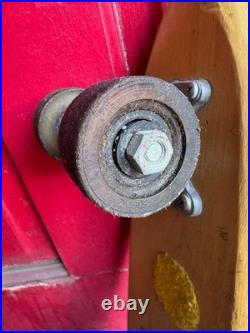
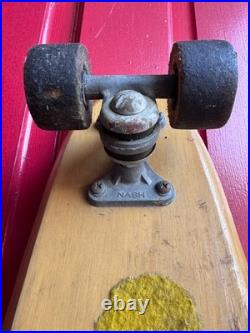
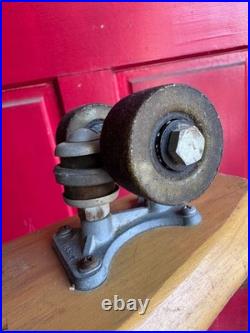
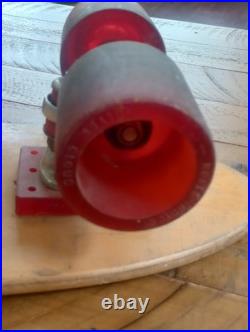
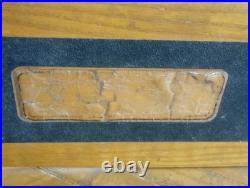
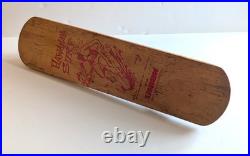
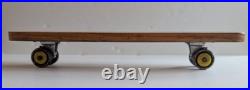
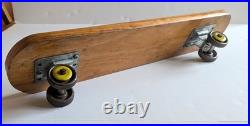
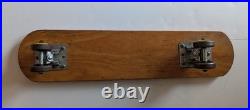
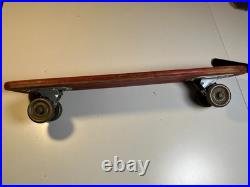
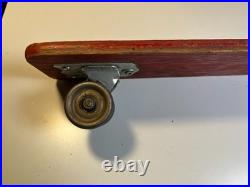
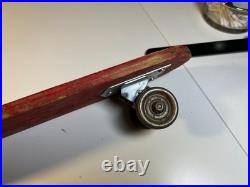
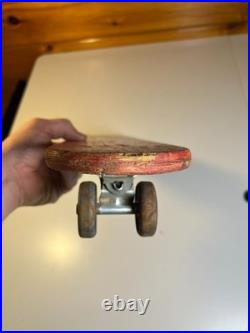
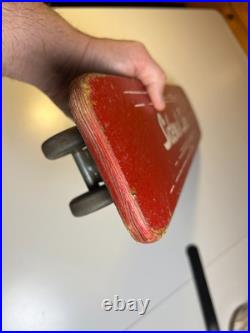
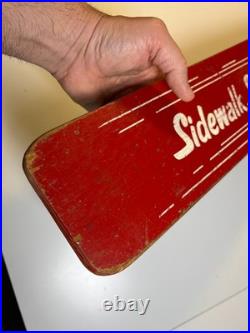
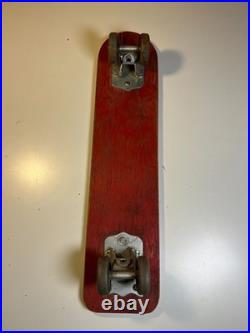
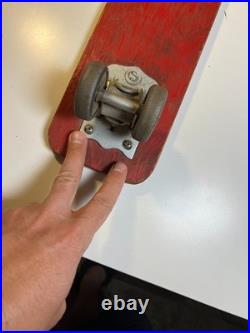
Skateboard by Nash Manufacturing, Fort Worth, Texas – one of the largest producers of early “sidewalk surfboards” during skateboarding’s first boom. Red “Goofy Foot” graphics with Nash triangle logo. Solid wood deck with tapered nose and tail. Stamped steel trucks with loose ball bearings. Early original urethane wheels in excellent condition – they are still translucent. 22″ L x 5.25″ W. All parts are original and unrestored. Surf-Skate Crossover Timeline (1950s-Today). 1950s – Surf Culture Foundations. Surf culture spreads through films. Surf slang (“hang ten, ” “wipeout, ” “goofy foot”) becomes part of youth vocabulary. Early 1960s – Birth of Skateboarding (“Sidewalk Surfing”). Surfers bolt roller skate trucks/wheels to wooden planks. First commercial skateboards made by surfboard companies like Hobie, Makaha, and Val-Surf. Clay wheels and narrow trucks limit performance but mimic surf carving on smooth pavement. Branding heavily uses surf terms. Mid 1960s – First Skateboard Boom. Department stores Sears, Montgomery Ward, J. Penney sell mass-market boards, often made by Nash and other OEMs. The Surfaris’ Wipe Out. The Beach Boys fuels crossover marketing. Skate contests mimic surf competitions – judged on carving style, balance, and tricks like walk the nose. Late 1960s – Decline. Safety concerns and injuries cause bans in many cities. Surfing stays strong, but skateboarding enters its first dark age. 1970s – Skateboarding Reborn. Urethane wheels (1972) revolutionize skating – smoother, grippier rides allow for more radical turns. Surfer-skaters like the Z-Boys (Dogtown crew) bring low, aggressive surf style to empty pools and banks. Skateboarding develops vertical and freestyle disciplines, but style still echoes surf carving. 1980s – Skateboarding Finds Its Own Identity. Ramp skating and street skating evolve into distinct styles. Surf brands like Quiksilver, Gotcha, and Ocean Pacific market to skaters, while skate brands influence surfwear. 1990s-2000s – Cultural Cross-Pollination. Kelly Slater skateboarding in off-season keep the connection alive. Surf-inspired brands (Billabong, Hurley) sponsor skate teams; skate brands expand into surf apparel. Longboarding skateboards bring back surf-style cruising and carving. 2010s-Present – Technology & Style Merge. Surf skates (special trucks for deep carving) become popular training tools for surfers. Skateparks include “snake runs” and wave-shaped transitions inspired by surf breaks. Surf and skate fashion fully merge – same brands, shared graphics, interchangeable audience.
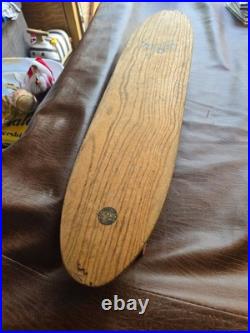
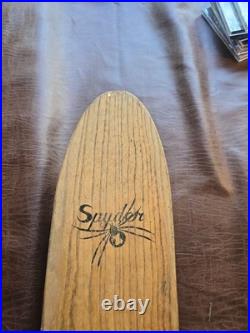
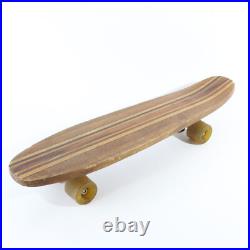
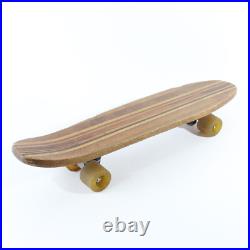
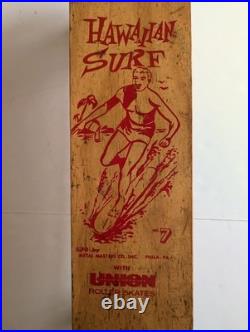
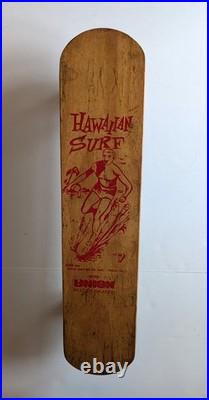
The Vintage Skateboard Nash Goofy 1960s Foot Wooden #7 is a rare and collectible item for enthusiasts of skateboarding and outdoor sports. Made by Nash in the United States during the 1960s, this Sidewalk Surfboard features a unique design with a Goofy Foot configuration and a nostalgic theme reminiscent of the decade. With its 21.5-inch length, this skateboard is a true piece of history for collectors and vintage sports enthusiasts looking to add a classic touch to their collection.
This one is pretty beat but would make a Great Wall hanger or display piece! The Vintage Skateboard 1990 Spider-Man Marvel Skate Collectible Wooden Board is a rare and unique sidewalk surfboard featuring a design inspired by the iconic Marvel superhero, Spider-Man. This collectible piece is a must-have for any skateboarding enthusiast or fan of vintage memorabilia. The wooden construction adds a classic touch to the board, making it a standout addition to any collection of skateboard gear.
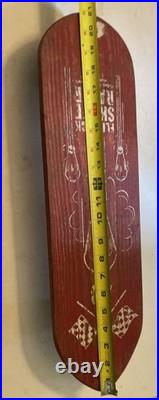
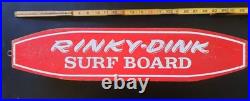
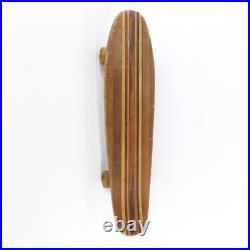
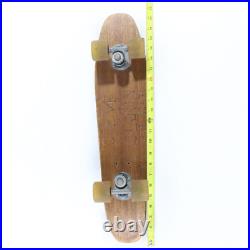
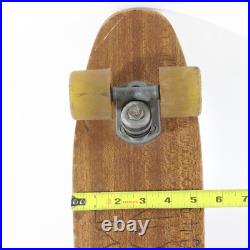
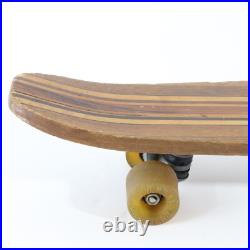
VINTAGE OFFICIAL SKEE SKATE BY TRESCO WOODEN SKATEBOARD W/ METAL WHEELS 18 3/4. Shows signs of wear, scratches, dings, paint loss, rust, ect. It displays nicely and would make a great addition to any collection. If you would like more photos or have any questions please let me know. Lower 48 states only.
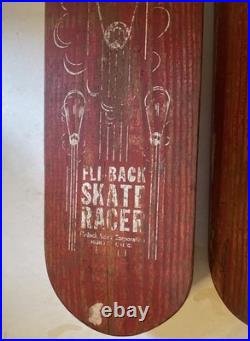
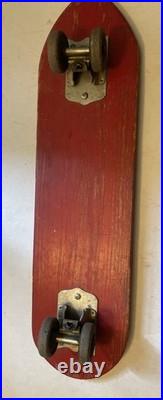
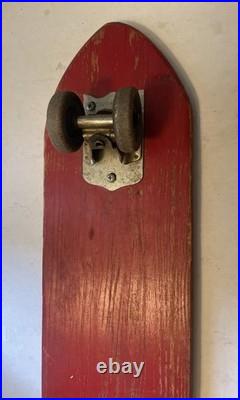
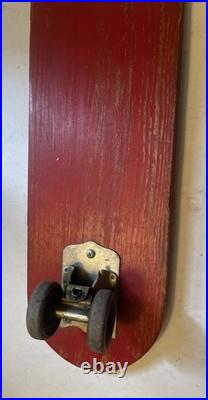
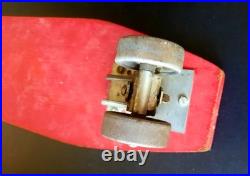
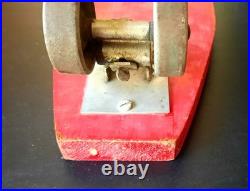
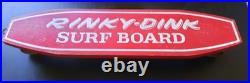
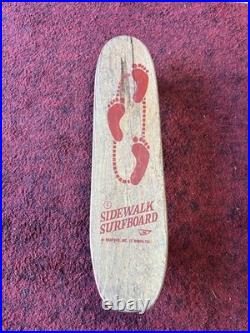
The Holy Grail if you ask me.. Remembering our historical 1960s ventures into outer space (Apollo happened in’61). Its of the era whereby these first wooden boards with metal wheels were meant to teach you how to surf by what was assumed to be easier… This one is in fair-condition ; Much of the text is worn and someone has made some more modern, red-text-refreshments. Made in Little Rock Arkansas! 23.25″ L x 5.5″ W. It doesn’t get cool than this folks! Vintage space travel meets vintage skateboarding! However, before skateboards there were scooters, sometimes known as kick scooters and push scooters. Varied forms of scooters have been traced back to the early 1900s, most of them made from wood, metal, or a combination of the two. Scooters had anywhere from two to four wheels. Some of the wheels were metal and others were similar to the wheels on pedal cars. In the 1940s and 1950s, crate scooters made popular sidewalk vehicles. Most crate scooters were handmade. They were relatively inexpensive and simple for kids to construct by using a milk crate or wooden fruit box and metal roller skate wheels attached to a wooden 2 x 4. Eventually kids started removing the boxes and handlebars and just started riding the board with wheels, reminiscent of the famous skateboard scene in the 1985 film. Back to the Future. By the early 1960s, skateboarding started luring participants from the surfer scene. In 1962 a southern California surf shop, Val Surf, began making its own brand of skateboards and struck a deal with Chicago Roller Skate Company for the wheels. The skateboards began to attract everyday surfers who could use the boards when they weren’t in the water, and thus the term “sidewalk surfer” was coined. Additionally, skateboarding gained popularity when Larry Stevenson, publisher of. Promoted it in his monthly magazine. In 1963, Stevenson made the first professional skateboards using the Makaha brand and organized the first known skateboarding contest. That same year saw an evolution in skateboard design with the use of clay (also known as composite) wheels that replaced treacherous metal ones. Moving ahead, in 1964 surf and sailing entrepreneur Hobart “Hobie” Alter joined forces with Vita-Pakt company to make a line of Hobie skateboards; the Hobie line also sponsored several contests and professional skaters. Later that summer, the musical group Jan and Dean performed Sidewalk Surfin. On Dick Clark’s. An event which helped further popularize skateboarding with mainstream society. In 1965, the skateboarding sport peaked as manufacturers tried to keep up with the demand, cranking out an estimated 50 million skateboards between 1963 and 1965. In May, the world’s first skatepark, Surf City in Tucson, Arizona opened to the public.. Skateboard with metal trucks. Old wooden skate deck. Metal wheels for smooth ride. Wooden skateboard with metal wheels. Retro metal wheels skateboard. 60s era skate deck. Vintage skateboard with character. Wooden skateboard with retro charm. Metal wheels for vintage feel. Classic wooden skateboard design. Vintage skateboard for collectors. Antique metal wheels skateboard. Vintage skateboard with history. Wooden deck with metal wheels. Classic skateboard with character. Vintage skateboard from Little Rock, Arkansas.
The product is a 1950′s Vintage Roller Derby #30 Wooden Deck Skateboard, designed for sidewalk surfing and skating. Made by Roller Derby, a well-known brand in the skateboarding industry, this classic skateboard features a wooden deck, perfect for those looking for a retro feel and authentic skateboarding experience. Ideal for vintage enthusiasts and collectors, this Roller Derby #30 skateboard embodies the nostalgia and style of the 1950s era of skateboarding.