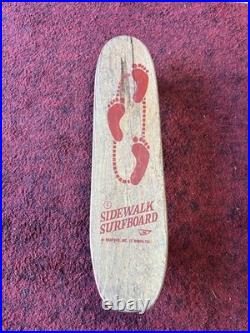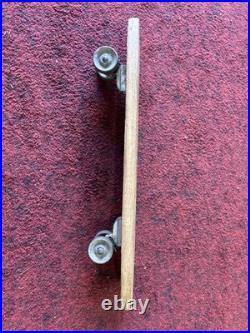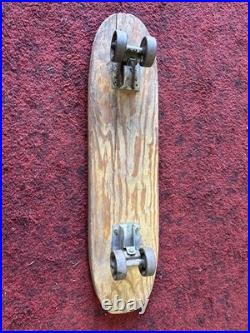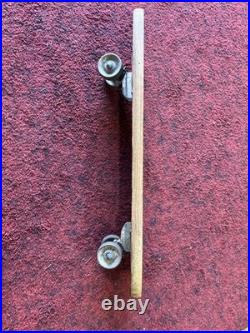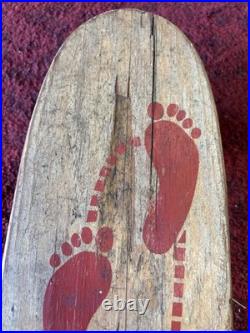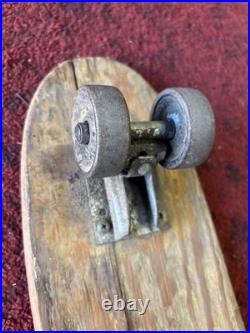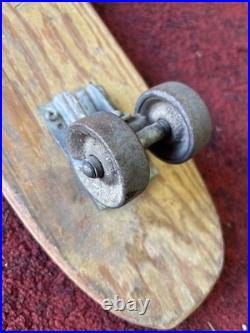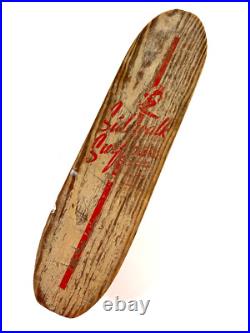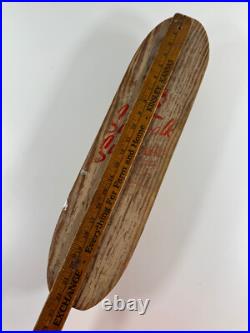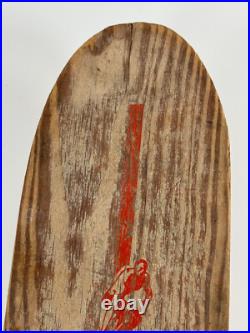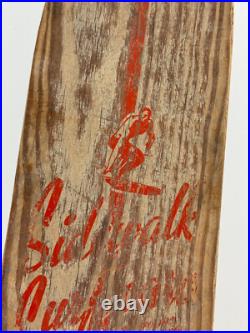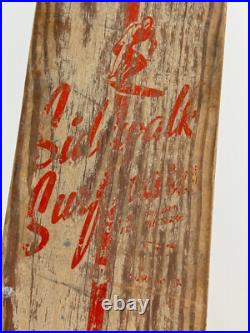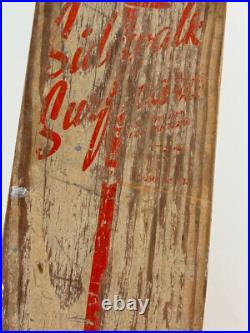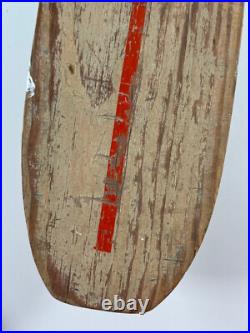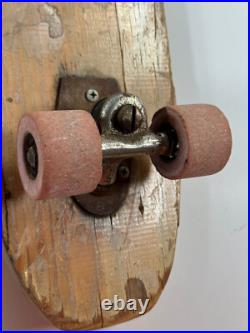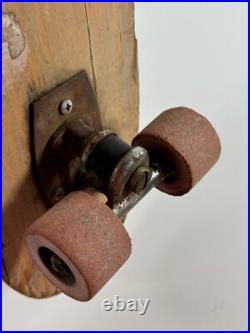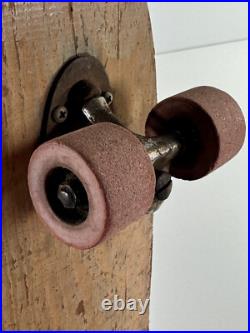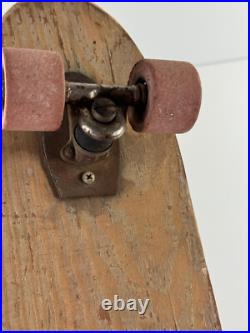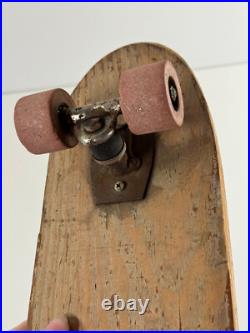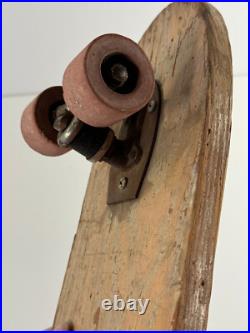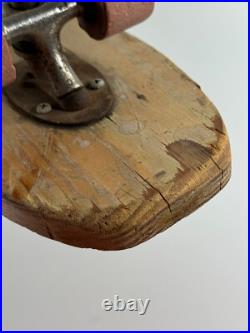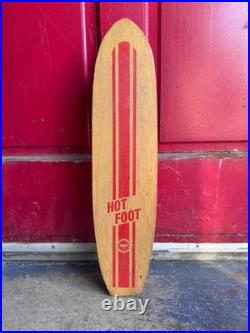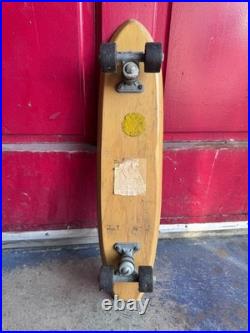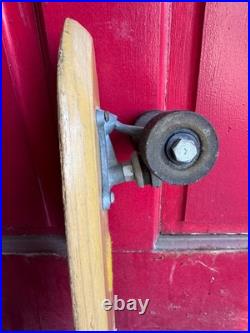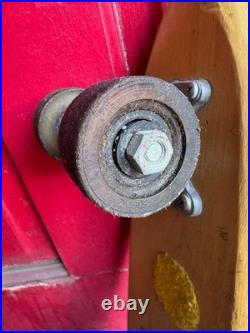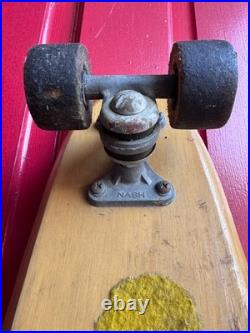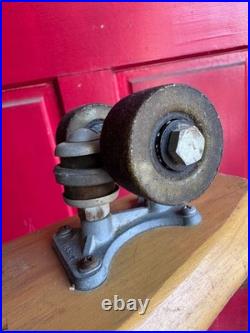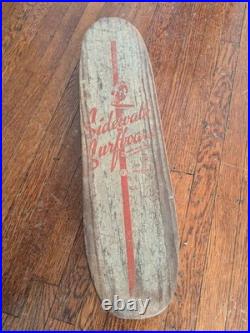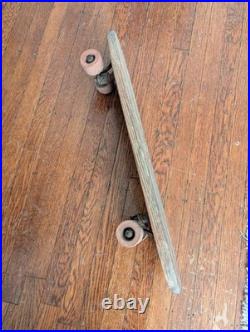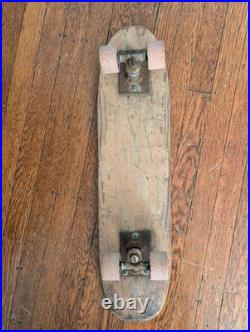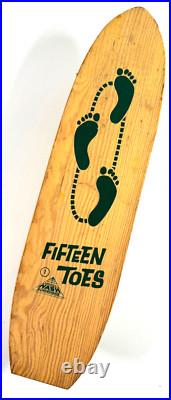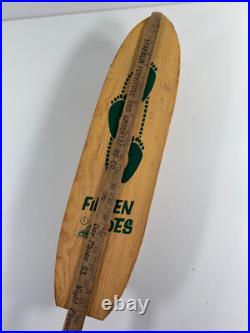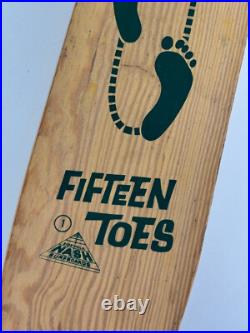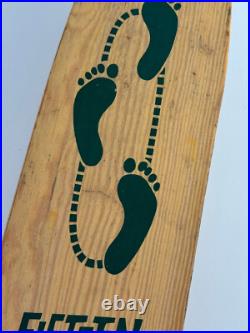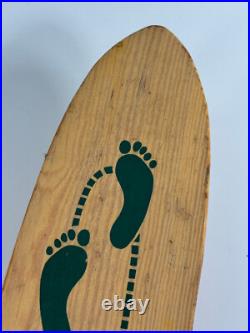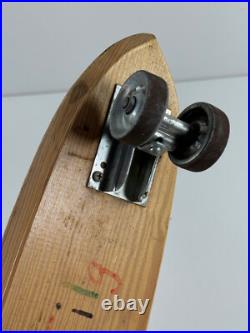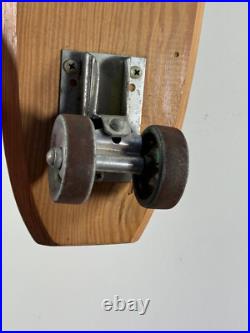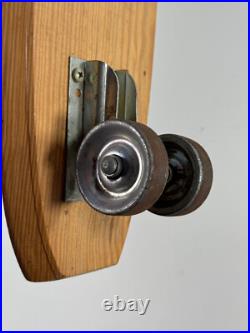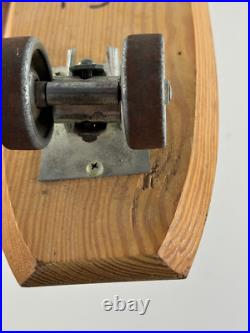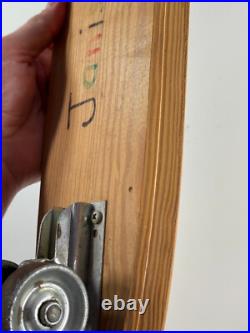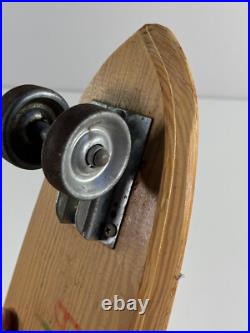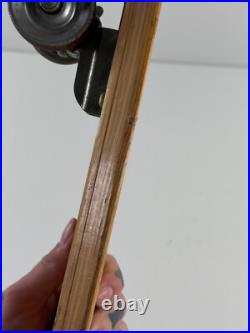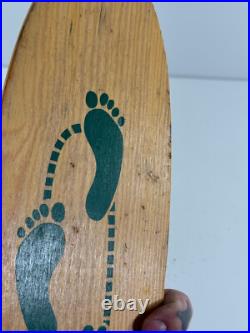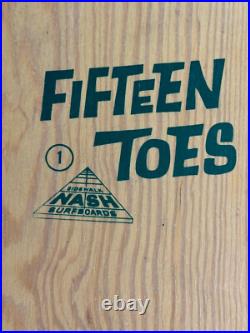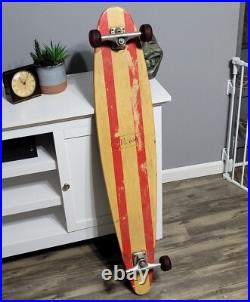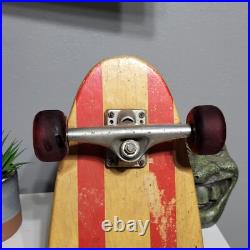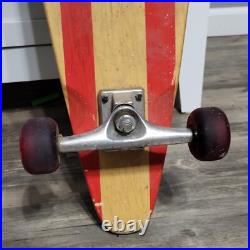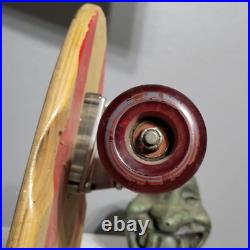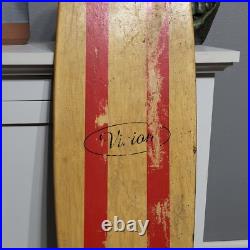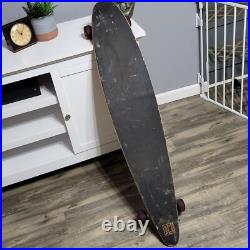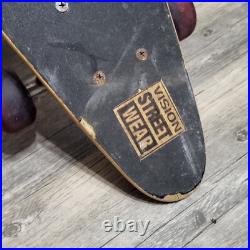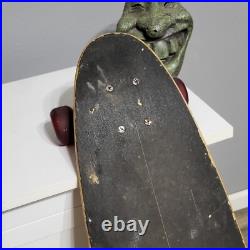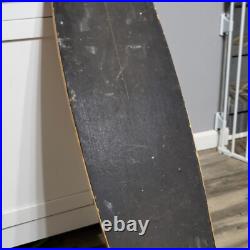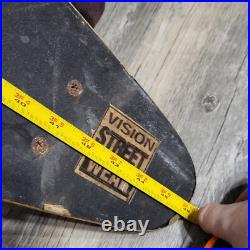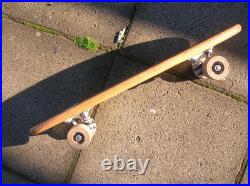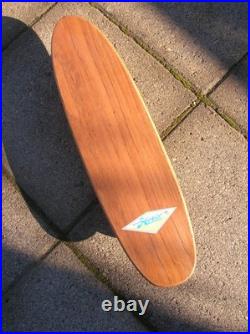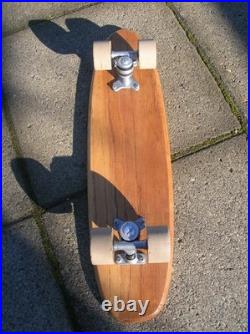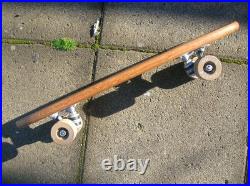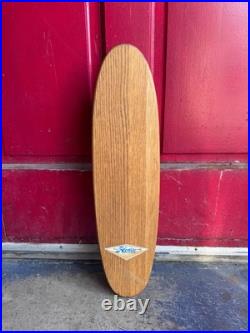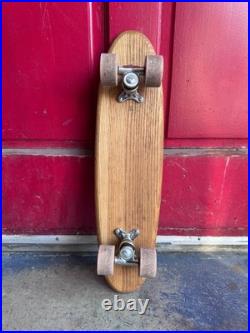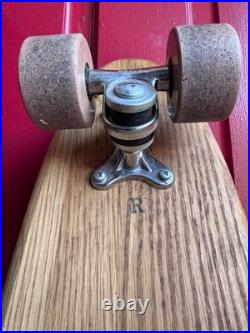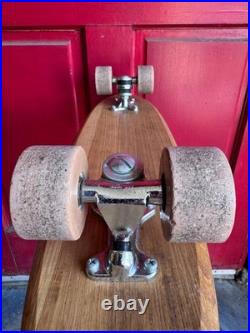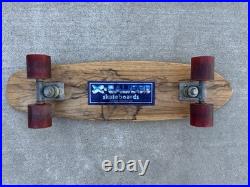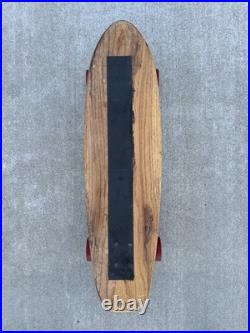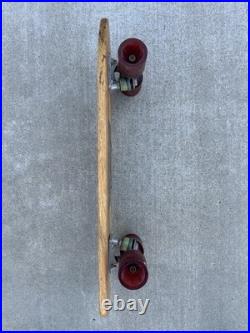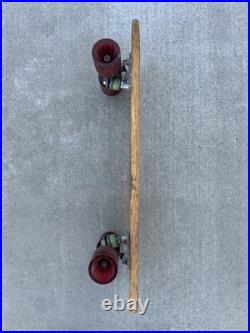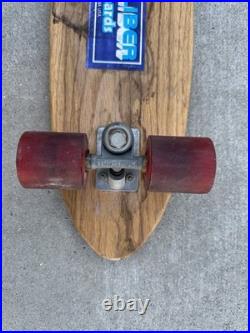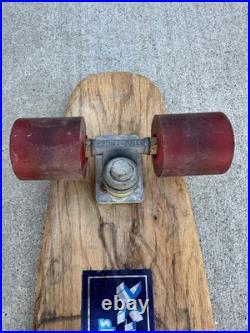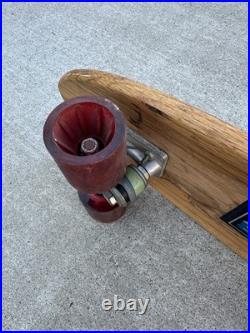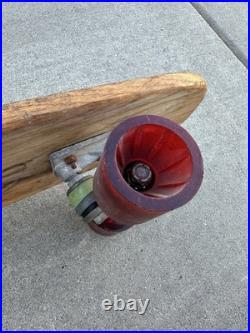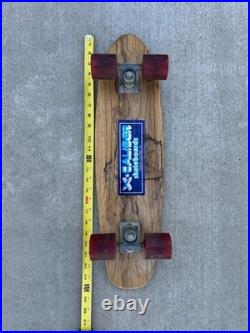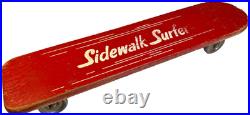
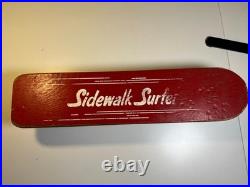
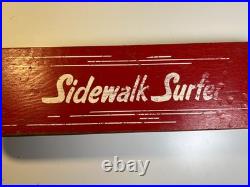
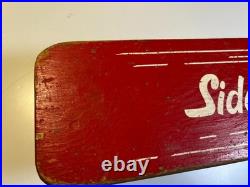
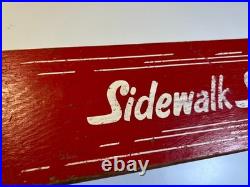
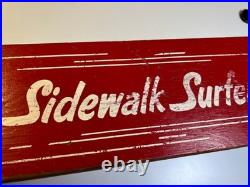
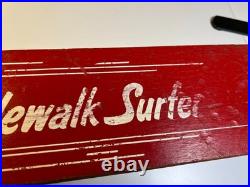
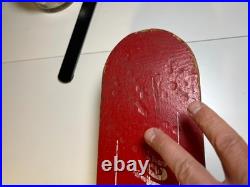
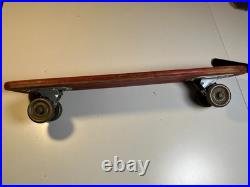
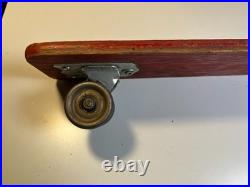
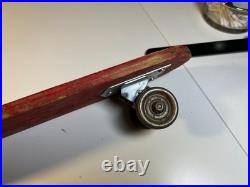
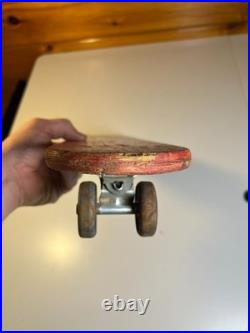
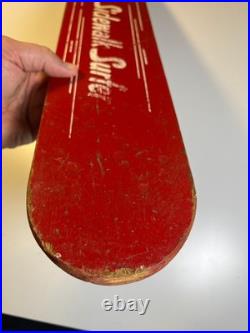
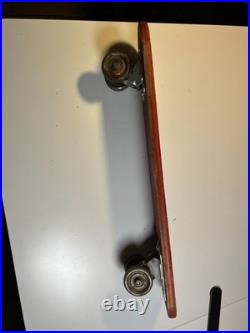
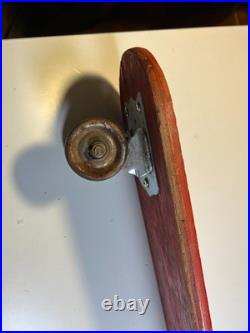
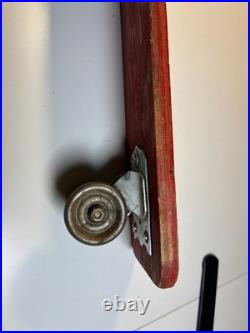
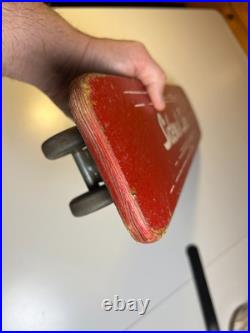
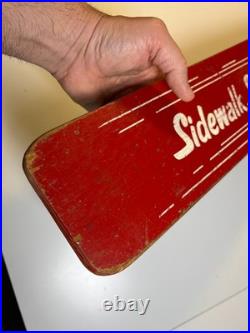
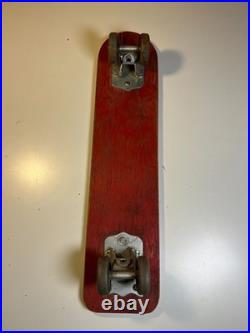
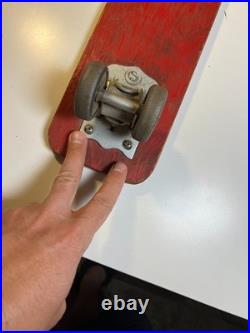
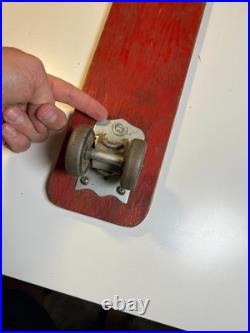
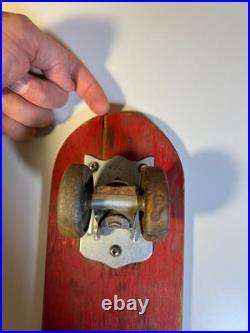
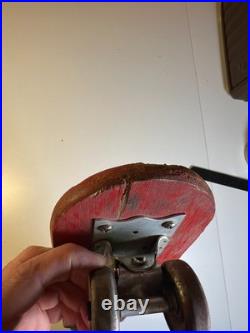
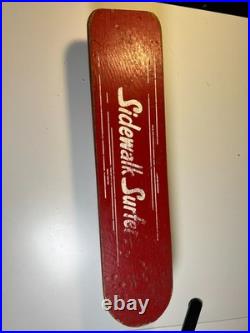
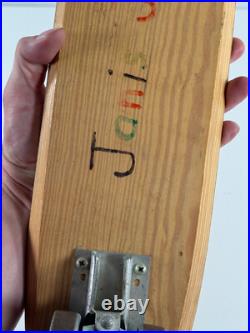
Vintage Vision Longboard Skateboard Deck Sidewalk Surfboard 46 Red Striped Wood. Awesome estate find, tucked away in an attic! This board is ready to ride! See all pictures for condition and consideration. Some wear on bottom of board from age and use. Grip tape is in good shape for age. Don’t miss out on this awesome deal!
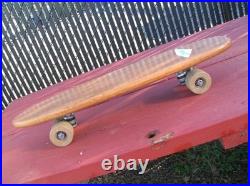
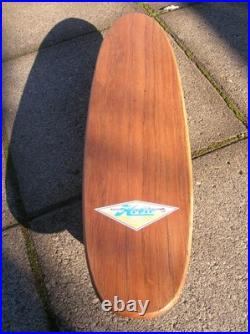
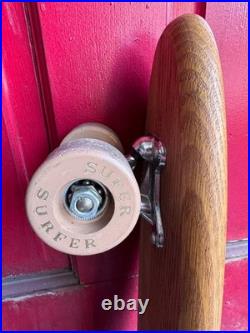
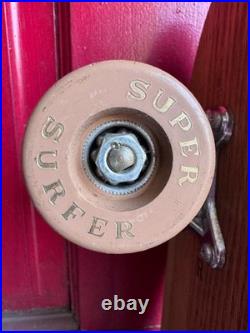
Be sure and check out all my vintage surf and skate stuff. If you collect skateboard items you might want this one… I love these skates.. 1960s wooden skateboard deck from hobie with wheels and trucks. The deck is 22 inches long.. 100 percent all original.. This one has the rare wheels on it with the super surfer logo done in the silver unlike the gold. Great skate item for your vintage skate collection…
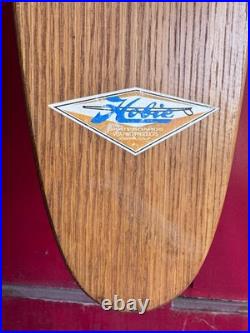
The 1960s Hobie Super Surfer Skateboard is a vintage collectible in Excellent Condition – Barely Used. This classic oak 22 skateboard was made in the United States by Hobie. Perfect for vintage enthusiasts and collectors, this skateboard is a timeless piece of skateboarding history. The Hobie logo top sticker is nearly intact.
Be sure and check out all my vintage surf and skate stuff. If you collect skateboard items you might want this one… I love these skates.. 1960s wooden skateboard deck from hobie with wheels and trucks. The deck is 22 inches long.. 100 percent all original.. This one has the rare wheels on it with the super surfer logo done in the silver unlike the gold. Great skate item for your vintage skate collection…
Just a enough patina and use to hint at its past life, but a beauty to display. Its of the era whereby these first wooden boards with metal wheels were meant to teach you how to surf by what was assumed to be easier… Tenderfoot was a model of wooden sidewalk skateboard-often called a “sidewalk surfer”-manufactured by Nash Skateboards in the 1960s. These boards featured metal wheels and a wooden deck, long before the advent of urethane wheels and grip tape. They were known for being both rugged and risky to ride! Crafted of solid wood with metal wheels-early models lacked the smoother ride of later polyurethane versions. Decks often bore bright paint and a distinctive “Tenderfoot” logo. Nash was one of the first companies to mass-produce skateboards, helping shape skate culture. Full Name: Nash Manufacturing Company. Founded: 1918, in Fort Worth, Texas. Original Focus: Sporting goods, fishing tackle, and toys. Nash quickly became known for affordable, mass-produced recreational gear aimed at department stores and catalog sales. Nash & Early Skateboarding. By the mid-1960s, skateboarding was emerging as a national craze. Decks: Solid hardwood or plywood, sometimes painted in bright colors with decals or silk-screened logos. Wheels: Early models used steel or clay composite wheels (fast but rough), later moving to improved clay and eventually urethane in the 1970s. Trucks: Stamped steel assemblies, not the cast aluminum trucks we see today. Tenderfoot (entry-level board for younger riders). The Tenderfoot was smaller and simpler than higher-end models, marketed as a starter board. Nash skateboards were built to a price point, not high-end performance. Ads often showed smiling kids in Keds sneakers riding in driveways – safety gear was virtually nonexistent in marketing. Why Nash Matters in Skate History. Accessibility: For many kids in the 1960s, Nash boards were their first skateboard because they were cheap and widely available. Cultural Footprint: Nash boards introduced countless riders to the sport, even if they quickly upgraded to higher-performance brands. Survivors: While many were ridden hard and discarded, surviving examples (especially with original decals, wheels, and hardware) are collectible for their retro graphics and nostalgia factor. Beyond skateboards, Nash made. Fishing rods and tackle. Badminton and tennis sets. Other seasonal sporting goods. However, before skateboards there were scooters, sometimes known as kick scooters and push scooters. Varied forms of scooters have been traced back to the early 1900s, most of them made from wood, metal, or a combination of the two. Scooters had anywhere from two to four wheels. Some of the wheels were metal and others were similar to the wheels on pedal cars. In the 1940s and 1950s, crate scooters made popular sidewalk vehicles. Most crate scooters were handmade. They were relatively inexpensive and simple for kids to construct by using a milk crate or wooden fruit box and metal roller skate wheels attached to a wooden 2 x 4. Eventually kids started removing the boxes and handlebars and just started riding the board with wheels, reminiscent of the famous skateboard scene in the 1985 film. Back to the Future. By the early 1960s, skateboarding started luring participants from the surfer scene. In 1962 a southern California surf shop, Val Surf, began making its own brand of skateboards and struck a deal with Chicago Roller Skate Company for the wheels. The skateboards began to attract everyday surfers who could use the boards when they weren’t in the water, and thus the term “sidewalk surfer” was coined. Additionally, skateboarding gained popularity when Larry Stevenson, publisher of. Promoted it in his monthly magazine. In 1963, Stevenson made the first professional skateboards using the Makaha brand and organized the first known skateboarding contest. That same year saw an evolution in skateboard design with the use of clay (also known as composite) wheels that replaced treacherous metal ones. Moving ahead, in 1964 surf and sailing entrepreneur Hobart “Hobie” Alter joined forces with Vita-Pakt company to make a line of Hobie skateboards; the Hobie line also sponsored several contests and professional skaters. Later that summer, the musical group Jan and Dean performed Sidewalk Surfin. On Dick Clark’s. An event which helped further popularize skateboarding with mainstream society. In 1965, the skateboarding sport peaked as manufacturers tried to keep up with the demand, cranking out an estimated 50 million skateboards between 1963 and 1965. In May, the world’s first skatepark, Surf City in Tucson, Arizona opened to the public.. Skateboard with metal trucks. Old wooden skate deck. Metal wheels for smooth ride. Wooden skateboard with metal wheels. Retro metal wheels skateboard. 60s era skate deck. Vintage skateboard with character. Wooden skateboard with retro charm. Metal wheels for vintage feel. Classic wooden skateboard design. Vintage skateboard for collectors. Antique metal wheels skateboard. Vintage skateboard with history. Wooden deck with metal wheels. Classic skateboard with character. Vintage skateboard from Little Rock, Arkansas.
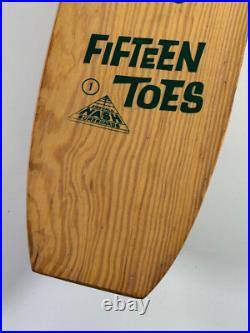
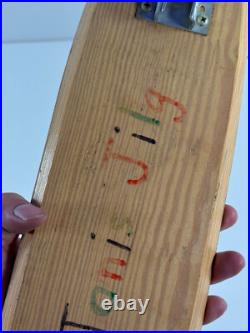
A REAL, UNMOLESTED, ALL ORIGINAL NASH SIDEWALK SURFBOARD WITH TRIPLE RACING STRIPE BLUE DESIGN!!! ALL ORIGINAL STEEL WHEELS, TRUCKS AND BEARINGS!!! ALL BEARINGS AND WHEELS STILL SPIN FINE! INSIDE OF WHEELS STILL HAS THE ORIGINAL BLACKWALL PAINT! WHEELS AND TRUCKS HAVE SOME SURFACE RUST, NOTHING MAJOR. STILL HAS QUITE A BIT OF DUST AND DIRT… BOARD HAS ALL THE SCRATCHES, DINGS AND ONE BIG CHIP OUT OF THE NOSE THAT SAYS IT WAS WELL LOVED AND RIDEN… THEN PUT AWAY FOR 50+ YEARS.
Vintage 1970s Yellow Duraflex x Lightning Bolt Skateboard Sidewalk Surfer preowned condition as shown in photos. Red Universal Grabber Wheels, all wheels spin freely and Universal Trucks. Customized with vintage stickers and Lightning Bolt like Lightning Bolt Surfboards of the same era. Really cool piece of nostalgia. I have it hangin in my collection for quite awhile.
Looks like it may be 1950s.. I love the 50s style chrome paint with woodgrain popping through! I have never seen metal wheels with this same elongated support system underneath (and extra bolts)! Please note the condition of the wheels.. Several are not perfectly round… And attest to the story this board could tell… That massive jump, that double-dog-dare, that friendly push.. 22″ L x 4.25″ W x 3.25 T. However, before skateboards there were scooters, sometimes known as kick scooters and push scooters. Varied forms of scooters have been traced back to the early 1900s, most of them made from wood, metal, or a combination of the two. Scooters had anywhere from two to four wheels. Some of the wheels were metal and others were similar to the wheels on pedal cars. In the 1940s and 1950s, crate scooters made popular sidewalk vehicles. Most crate scooters were handmade. They were relatively inexpensive and simple for kids to construct by using a milk crate or wooden fruit box and metal roller skate wheels attached to a wooden 2 x 4. Eventually kids started removing the boxes and handlebars and just started riding the board with wheels, reminiscent of the famous skateboard scene in the 1985 film. Back to the Future. By the early 1960s, skateboarding started luring participants from the surfer scene. In 1962 a southern California surf shop, Val Surf, began making its own brand of skateboards and struck a deal with Chicago Roller Skate Company for the wheels. The skateboards began to attract everyday surfers who could use the boards when they weren’t in the water, and thus the term “sidewalk surfer” was coined. Additionally, skateboarding gained popularity when Larry Stevenson, publisher of. Promoted it in his monthly magazine. In 1963, Stevenson made the first professional skateboards using the Makaha brand and organized the first known skateboarding contest. That same year saw an evolution in skateboard design with the use of clay (also known as composite) wheels that replaced treacherous metal ones. Moving ahead, in 1964 surf and sailing entrepreneur Hobart “Hobie” Alter joined forces with Vita-Pakt company to make a line of Hobie skateboards; the Hobie line also sponsored several contests and professional skaters. Later that summer, the musical group Jan and Dean performed Sidewalk Surfin. On Dick Clark’s. An event which helped further popularize skateboarding with mainstream society. In 1965, the skateboarding sport peaked as manufacturers tried to keep up with the demand, cranking out an estimated 50 million skateboards between 1963 and 1965. In May, the world’s first skatepark, Surf City in Tucson, Arizona opened to the public.. Skateboard with metal trucks. Old wooden skate deck. Metal wheels for smooth ride. Wooden skateboard with metal wheels. Retro metal wheels skateboard. 60s era skate deck. Vintage skateboard with character. Wooden skateboard with retro charm. Metal wheels for vintage feel. Classic wooden skateboard design. Vintage skateboard for collectors. Antique metal wheels skateboard. Vintage skateboard with history. Wooden deck with metal wheels. Classic skateboard with character. Vintage skateboard from Little Rock, Arkansas.