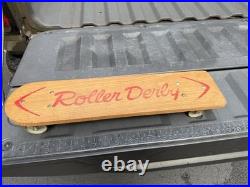
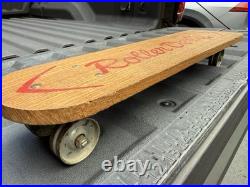
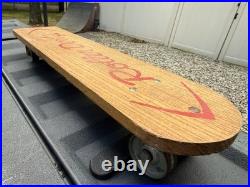
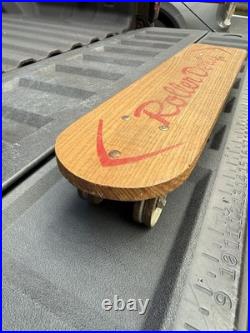
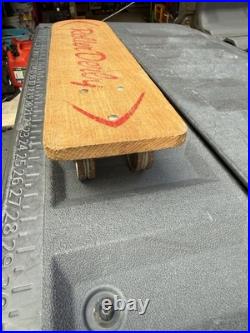
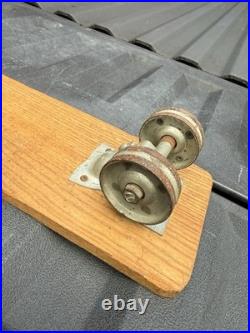
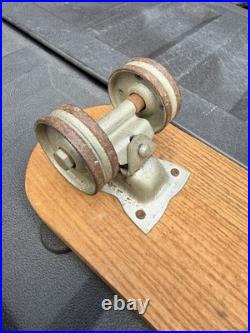
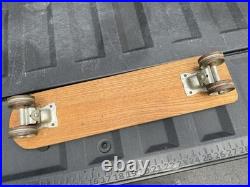
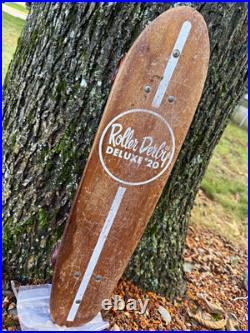
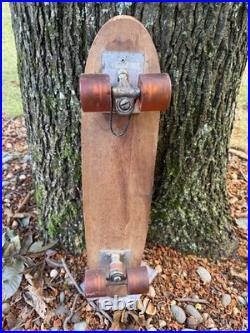
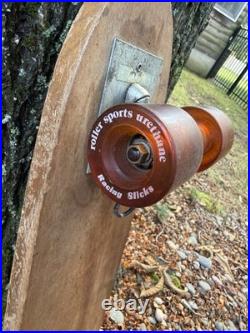
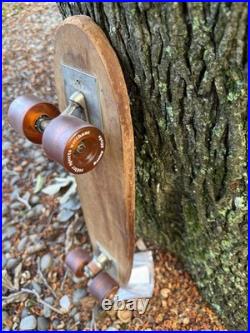
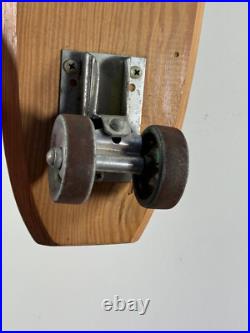
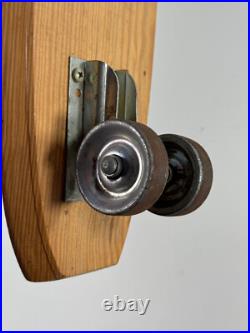
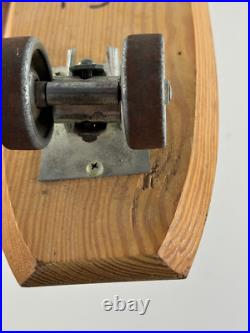
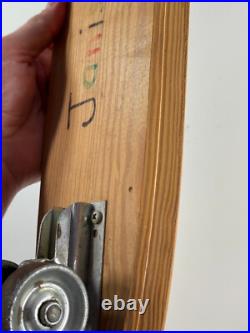
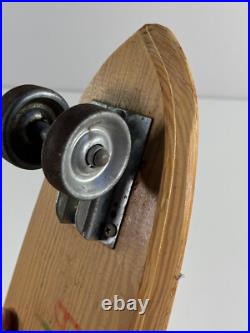
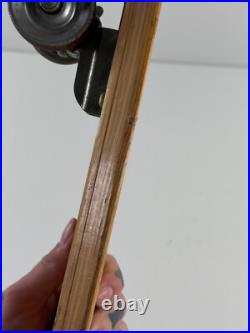
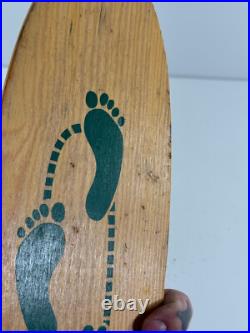
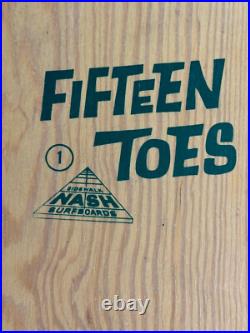
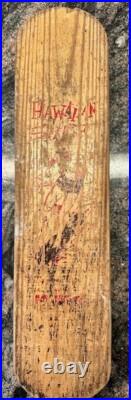
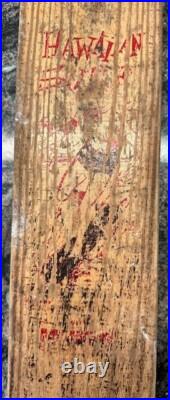
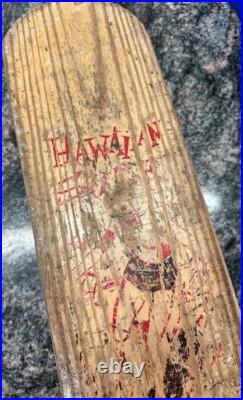
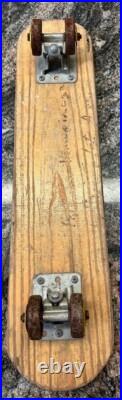
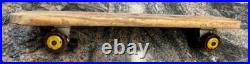
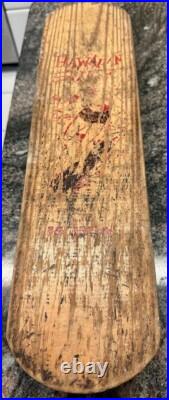
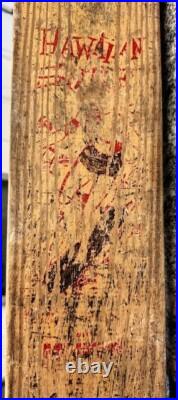
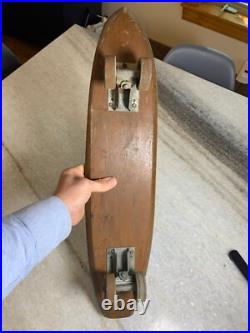
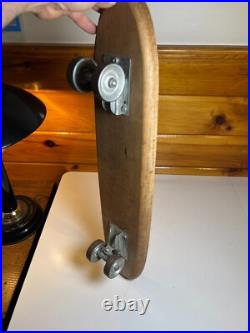
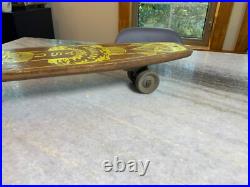
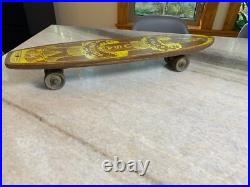
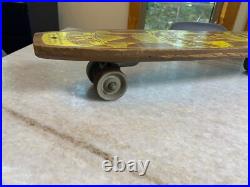
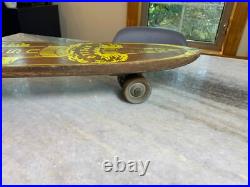
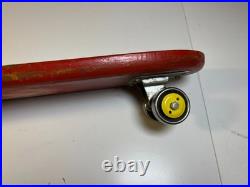
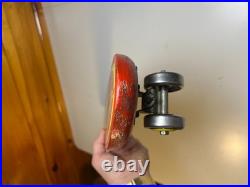
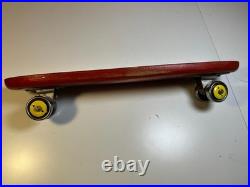
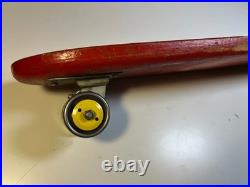
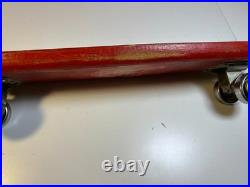
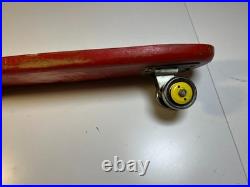
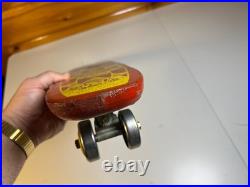
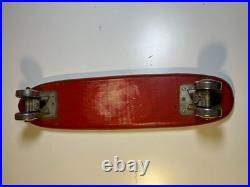
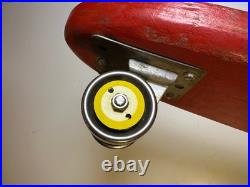
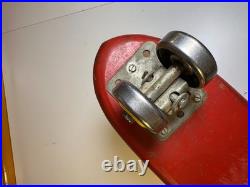
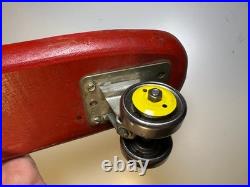
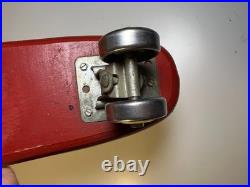
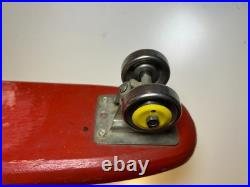
This listing is for one natty with red script 1960′s skateboard. The absolute rarest of all RollerDerby boards. Not to be confused with the abundant Roller Surfer board by Hedland with a nearly identical graphic. This is the precursor to the Roller Derby #10. Grab this one before it’s gone! Other 60′s boards available.
Not the usual #20 Deluxe. This is the elusive Mahogany and white #20. It has a different shape when compared to the status quo natty and red version. I also have some other hard to find boards for sale for your collection/decor, so be sure to check them out.
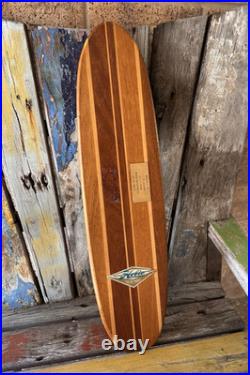
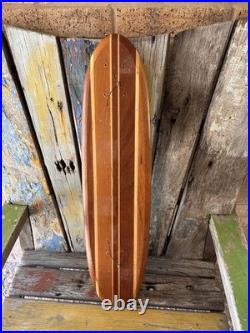
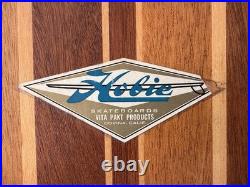
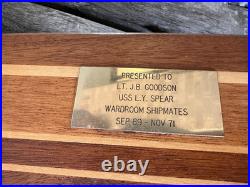
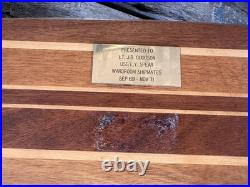
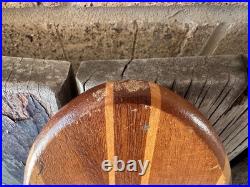
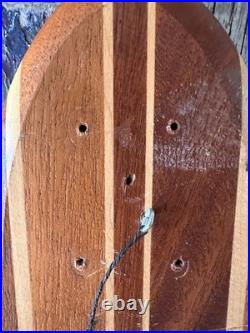
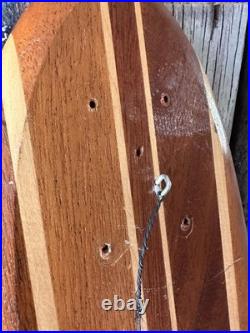
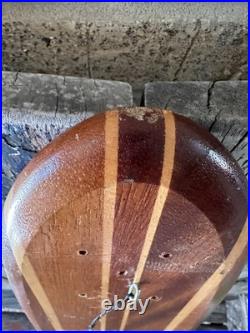
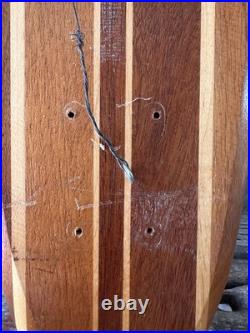
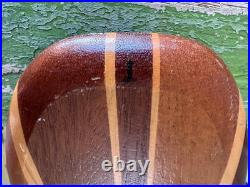
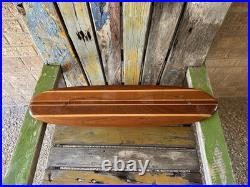
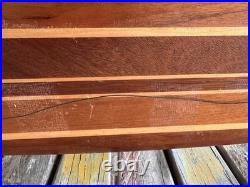
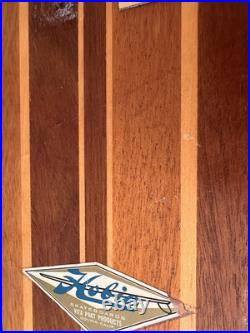
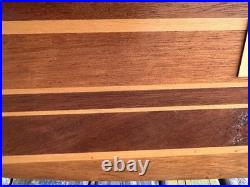
This is an original 1960s Hobie Super Surfer 25 skateboard deck with original decal and 9 stripes of various woods. This deck was turned into a plaque and presented to Lt JB Goodson aboard the USS L Y Spear November 1970. An engraved brass plate commemorating the event is still affixed, and there is some remaining residue from a second brass plate (unknown details) below it. Original lacquer is present, with some minimal wear to edges from prior use. The deck is overall in great condition and could very easily be refinished – no major dings, no cracks. The original trapezoidal decal is still attached, with one corner missing (see photo). Original screw holes from the removed trucks are on the bottom. Two eye hooks with picture wire were added for hanging and are still attached. There are several spots on the bottom that appear to be lacquer pull from duct tape or similar. Overall, a great vintage piece.
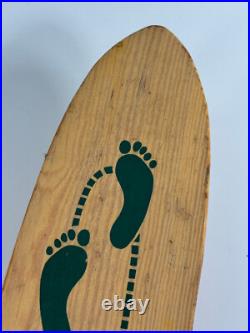
Bought thia from the original owner. A gift when he was a boy but he hardl;y if ever rode it. Paint is the best Ive ever seen. Color is a deep green, Vibrant but hard to see in the photos. Please look closely at the item photos they are the best indication of condition. All offers considered, first reasonable offer accepted! Larger items may take longer.
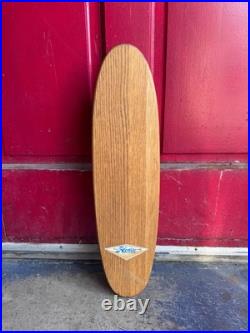
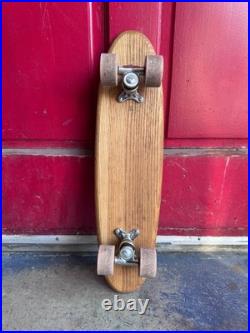
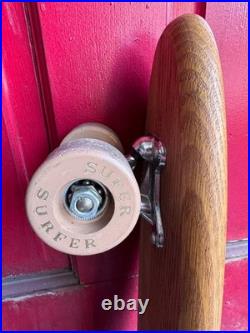
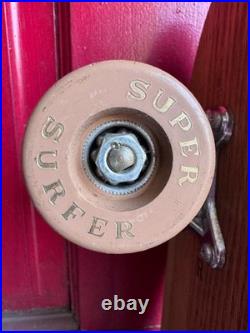
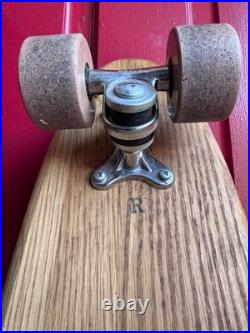
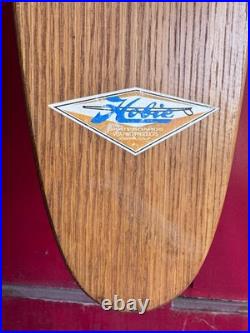
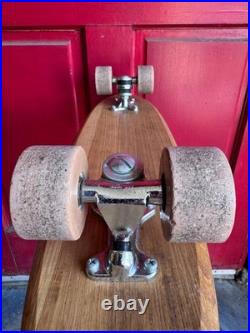
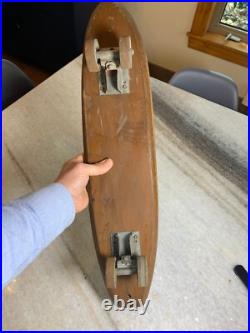
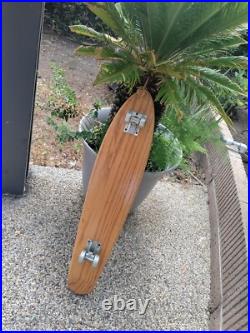
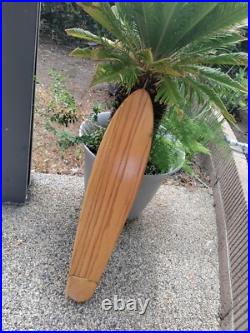
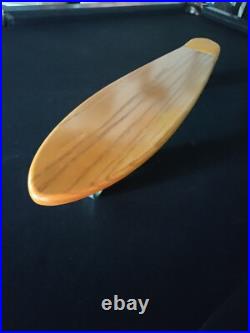
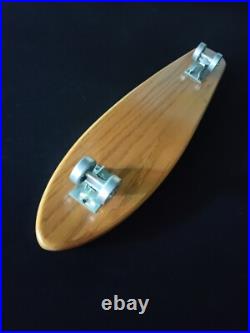
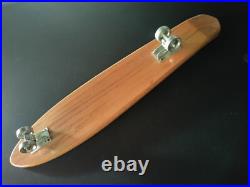
The 1960s Hobie Super Surfer Skateboard is a vintage collectible in Excellent Condition – Barely Used. This classic oak 22 skateboard was made in the United States by Hobie. Perfect for vintage enthusiasts and collectors, this skateboard is a timeless piece of skateboarding history. The Hobie logo top sticker is nearly intact.
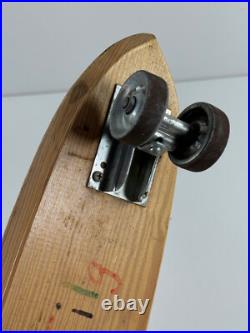
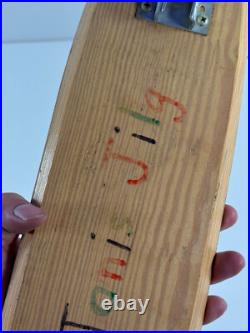
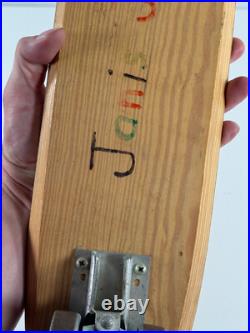
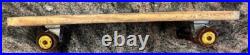
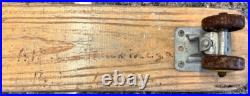
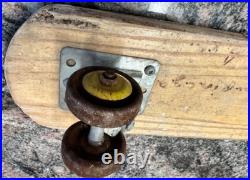
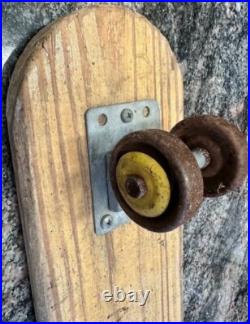
Here we have a unique and vintage item up for grabs. Manufactured by Metal Masters Co, in Philadelphia, Pennsylvania in the early 1960s this Vintage classic sidewalk skateboard model is the No. Measurements are 21.5 inches long 5 1/4″ at the nose and 4 3/4″ at the tail. The deck is 3/4 thick. Obviously this board shows wear. I have posted 11 photos please take a careful look at them. The original owner of this board seems to have written his name on the bottom of the deck in marker and is now well faded. The original red paint on the surfer and the logo can still be seen. It seems the child may have tried to color in the surfer’s trunks and the surfboard in black marker. All of the wheels move although rusty in appearance. You can still see the bright yellow metal wheel caps on the sides. The trucks look great. Wheels still flex side to side. You will not be disappointed with this wonderful item!
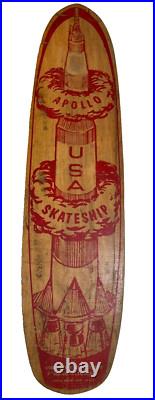
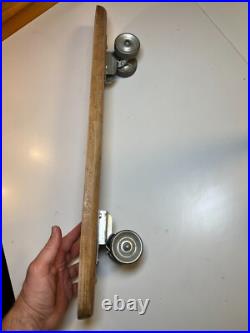
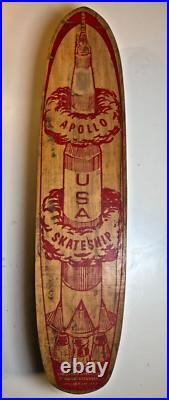
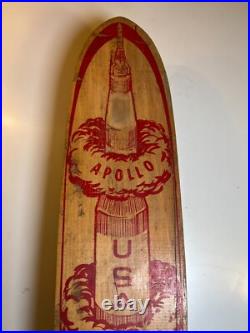
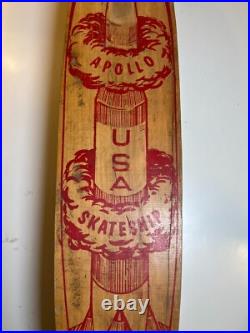
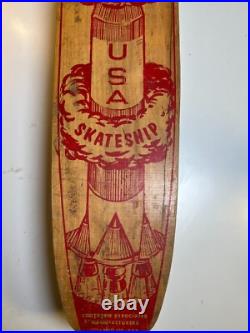
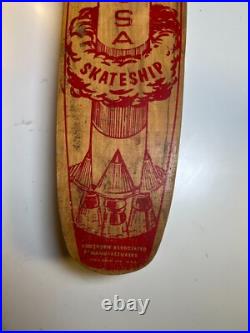
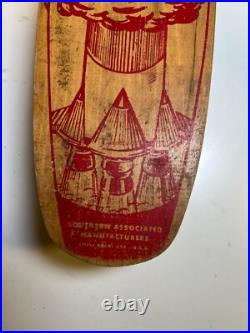
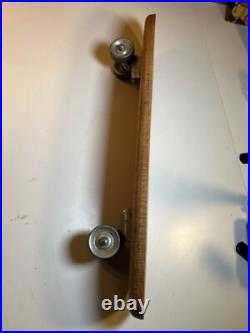
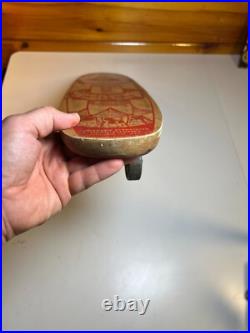
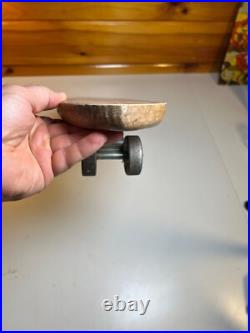
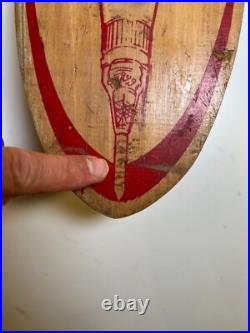
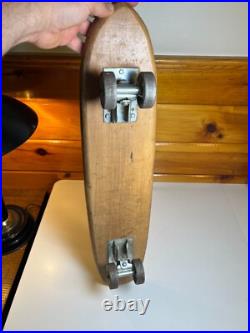
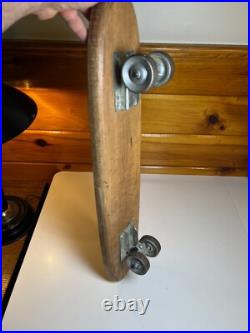
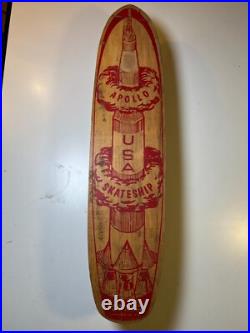
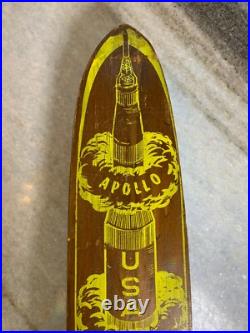
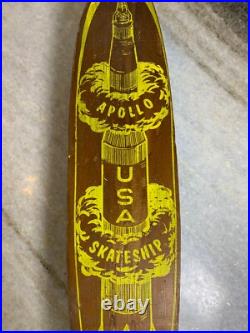
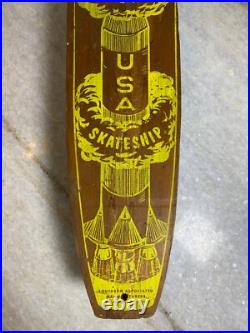
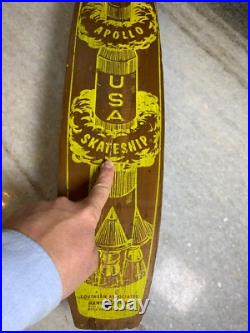
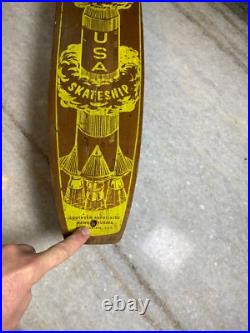
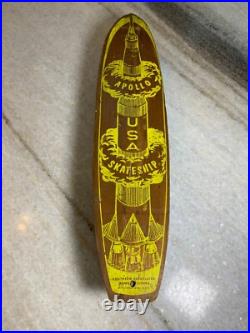
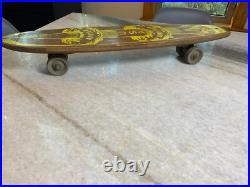
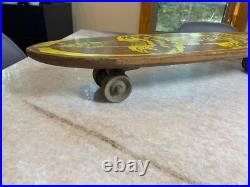
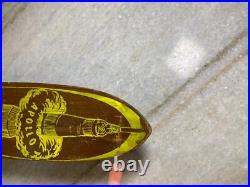
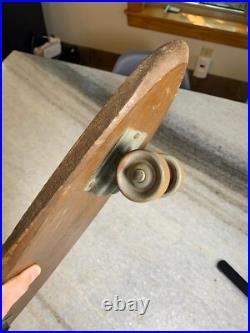
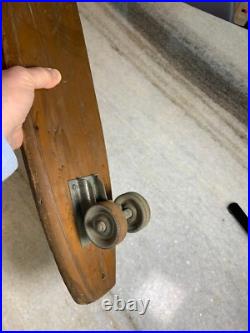
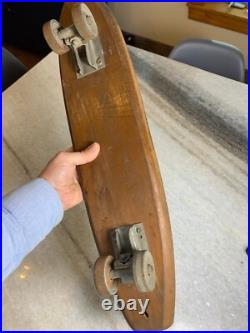
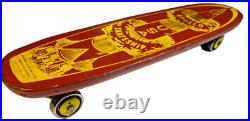
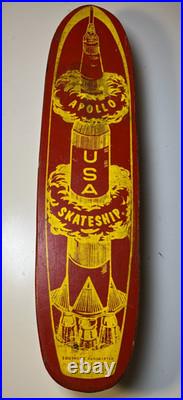
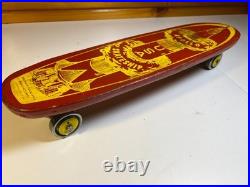
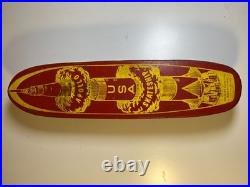
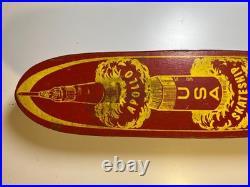
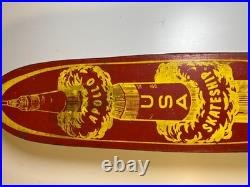
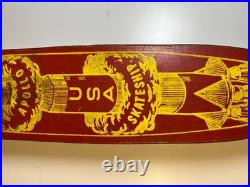
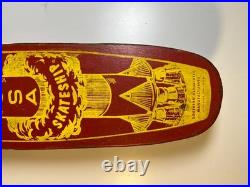
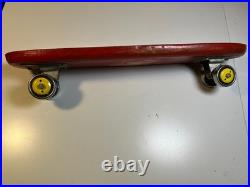
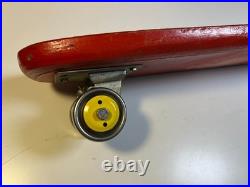
The Holy Grail if you ask me.. Remembering our historical 1960s ventures into outer space (Apollo happened in’61). Its of the era whereby these first wooden boards with metal wheels were meant to teach you how to surf by what was assumed to be easier… This one is in better shape than many… And these are very rare. Note the is a faint “Larry” written in faded marker in the very top, tip, of the rocket (see finger point pics). Graphics are brighter and more complete with fine details than many examples; Lovely example. Made in Little Rock Arkansas! 23.25″ L x 5.5″ W. It doesn’t get cool than this folks! Vintage space travel meets vintage skateboarding! However, before skateboards there were scooters, sometimes known as kick scooters and push scooters. Varied forms of scooters have been traced back to the early 1900s, most of them made from wood, metal, or a combination of the two. Scooters had anywhere from two to four wheels. Some of the wheels were metal and others were similar to the wheels on pedal cars. In the 1940s and 1950s, crate scooters made popular sidewalk vehicles. Most crate scooters were handmade. They were relatively inexpensive and simple for kids to construct by using a milk crate or wooden fruit box and metal roller skate wheels attached to a wooden 2 x 4. Eventually kids started removing the boxes and handlebars and just started riding the board with wheels, reminiscent of the famous skateboard scene in the 1985 film. Back to the Future. By the early 1960s, skateboarding started luring participants from the surfer scene. In 1962 a southern California surf shop, Val Surf, began making its own brand of skateboards and struck a deal with Chicago Roller Skate Company for the wheels. The skateboards began to attract everyday surfers who could use the boards when they weren’t in the water, and thus the term “sidewalk surfer” was coined. Additionally, skateboarding gained popularity when Larry Stevenson, publisher of. Promoted it in his monthly magazine. In 1963, Stevenson made the first professional skateboards using the Makaha brand and organized the first known skateboarding contest. That same year saw an evolution in skateboard design with the use of clay (also known as composite) wheels that replaced treacherous metal ones. Moving ahead, in 1964 surf and sailing entrepreneur Hobart “Hobie” Alter joined forces with Vita-Pakt company to make a line of Hobie skateboards; the Hobie line also sponsored several contests and professional skaters. Later that summer, the musical group Jan and Dean performed Sidewalk Surfin. On Dick Clark’s. An event which helped further popularize skateboarding with mainstream society. In 1965, the skateboarding sport peaked as manufacturers tried to keep up with the demand, cranking out an estimated 50 million skateboards between 1963 and 1965. In May, the world’s first skatepark, Surf City in Tucson, Arizona opened to the public.. Skateboard with metal trucks. Old wooden skate deck. Metal wheels for smooth ride. Wooden skateboard with metal wheels. Retro metal wheels skateboard. 60s era skate deck. Vintage skateboard with character. Wooden skateboard with retro charm. Metal wheels for vintage feel. Classic wooden skateboard design. Vintage skateboard for collectors. Antique metal wheels skateboard. Vintage skateboard with history. Wooden deck with metal wheels. Classic skateboard with character. Vintage skateboard from Little Rock, Arkansas.
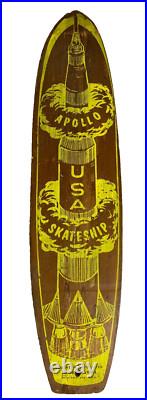
The Holy Grail if you ask me.. Remembering our historical 1960s ventures into outer space (Apollo happened in’61). Its of the era whereby these first wooden boards with metal wheels were meant to teach you how to surf by w hat was assumed to be easier… This one is in better shape than many… And these are very rare. Made in Little Rock Arkansas! 23.25″ L x 5.5″ W. It doesn’t get cool than this folks! Vintage space travel meets vintage skateboarding! However, before skateboards there were scooters, sometimes known as kick scooters and push scooters. Varied forms of scooters have been traced back to the early 1900s, most of them made from wood, metal, or a combination of the two. Scooters had anywhere from two to four wheels. Some of the wheels were metal and others were similar to the wheels on pedal cars. In the 1940s and 1950s, crate scooters made popular sidewalk vehicles. Most crate scooters were handmade. They were relatively inexpensive and simple for kids to construct by using a milk crate or wooden fruit box and metal roller skate wheels attached to a wooden 2 x 4. Eventually kids started removing the boxes and handlebars and just started riding the board with wheels, reminiscent of the famous skateboard scene in the 1985 film. Back to the Future. By the early 1960s, skateboarding started luring participants from the surfer scene. In 1962 a southern California surf shop, Val Surf, began making its own brand of skateboards and struck a deal with Chicago Roller Skate Company for the wheels. The skateboards began to attract everyday surfers who could use the boards when they weren’t in the water, and thus the term “sidewalk surfer” was coined. Additionally, skateboarding gained popularity when Larry Stevenson, publisher of. Promoted it in his monthly magazine. In 1963, Stevenson made the first professional skateboards using the Makaha brand and organized the first known skateboarding contest. That same year saw an evolution in skateboard design with the use of clay (also known as composite) wheels that replaced treacherous metal ones. Moving ahead, in 1964 surf and sailing entrepreneur Hobart “Hobie” Alter joined forces with Vita-Pakt company to make a line of Hobie skateboards; the Hobie line also sponsored several contests and professional skaters. Later that summer, the musical group Jan and Dean performed Sidewalk Surfin. On Dick Clark’s. An event which helped further popularize skateboarding with mainstream society. In 1965, the skateboarding sport peaked as manufacturers tried to keep up with the demand, cranking out an estimated 50 million skateboards between 1963 and 1965. In May, the world’s first skatepark, Surf City in Tucson, Arizona opened to the public.. Skateboard with metal trucks. Old wooden skate deck. Metal wheels for smooth ride. Wooden skateboard with metal wheels. Retro metal wheels skateboard. 60s era skate deck. Vintage skateboard with character. Wooden skateboard with retro charm. Metal wheels for vintage feel. Classic wooden skateboard design. Vintage skateboard for collectors. Antique metal wheels skateboard. Vintage skateboard with history. Wooden deck with metal wheels. Classic skateboard with character. Vintage skateboard from Little Rock, Arkansas.
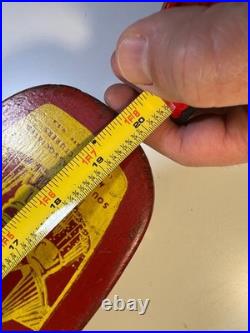
The Holy Grail if you ask me.. Remembering our historical 1960s ventures into outer space (Apollo happened in’61). Its of the era whereby these first wooden boards with metal wheels were meant to teach you how to surf by w hat was assumed to be easier… This one is in better shape than many… And these are very rare. Made in Little Rock Arkansas! 20″ L x 4.75″ W. It doesn’t get cool than this folks! Vintage space travel meets vintage skateboarding! However, before skateboards there were scooters, sometimes known as kick scooters and push scooters. Varied forms of scooters have been traced back to the early 1900s, most of them made from wood, metal, or a combination of the two. Scooters had anywhere from two to four wheels. Some of the wheels were metal and others were similar to the wheels on pedal cars. In the 1940s and 1950s, crate scooters made popular sidewalk vehicles. Most crate scooters were handmade. They were relatively inexpensive and simple for kids to construct by using a milk crate or wooden fruit box and metal roller skate wheels attached to a wooden 2 x 4. Eventually kids started removing the boxes and handlebars and just started riding the board with wheels, reminiscent of the famous skateboard scene in the 1985 film. Back to the Future. By the early 1960s, skateboarding started luring participants from the surfer scene. In 1962 a southern California surf shop, Val Surf, began making its own brand of skateboards and struck a deal with Chicago Roller Skate Company for the wheels. The skateboards began to attract everyday surfers who could use the boards when they weren’t in the water, and thus the term “sidewalk surfer” was coined. Additionally, skateboarding gained popularity when Larry Stevenson, publisher of. Promoted it in his monthly magazine. In 1963, Stevenson made the first professional skateboards using the Makaha brand and organized the first known skateboarding contest. That same year saw an evolution in skateboard design with the use of clay (also known as composite) wheels that replaced treacherous metal ones. Moving ahead, in 1964 surf and sailing entrepreneur Hobart “Hobie” Alter joined forces with Vita-Pakt company to make a line of Hobie skateboards; the Hobie line also sponsored several contests and professional skaters. Later that summer, the musical group Jan and Dean performed Sidewalk Surfin. On Dick Clark’s. An event which helped further popularize skateboarding with mainstream society. In 1965, the skateboarding sport peaked as manufacturers tried to keep up with the demand, cranking out an estimated 50 million skateboards between 1963 and 1965. In May, the world’s first skatepark, Surf City in Tucson, Arizona opened to the public.. Skateboard with metal trucks. Old wooden skate deck. Metal wheels for smooth ride. Wooden skateboard with metal wheels. Retro metal wheels skateboard. 60s era skate deck. Vintage skateboard with character. Wooden skateboard with retro charm. Metal wheels for vintage feel. Classic wooden skateboard design. Vintage skateboard for collectors. Antique metal wheels skateboard. Vintage skateboard with history. Wooden deck with metal wheels. Classic skateboard with character. Vintage skateboard from Little Rock, Arkansas.