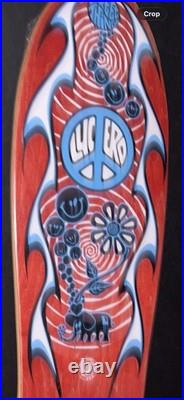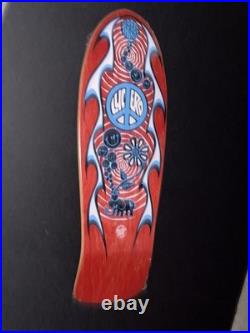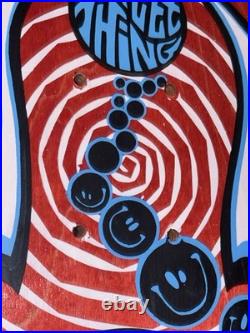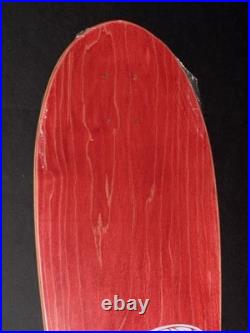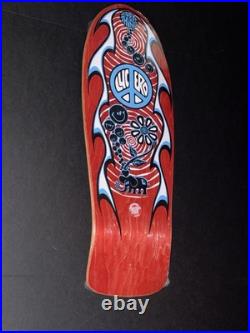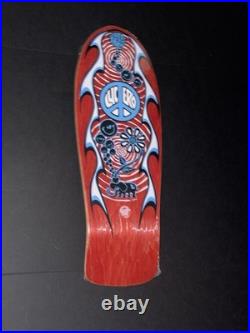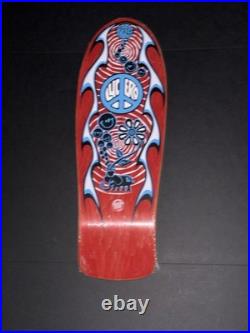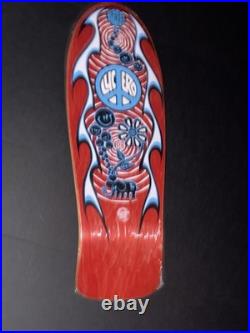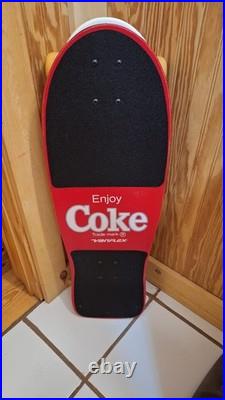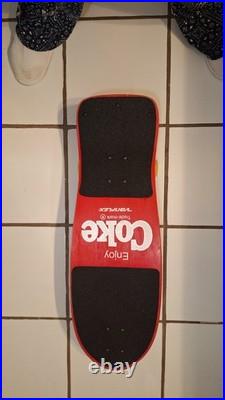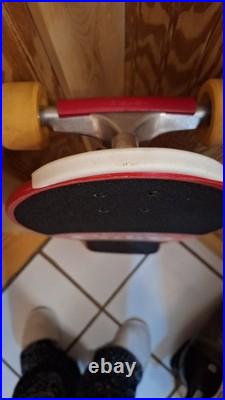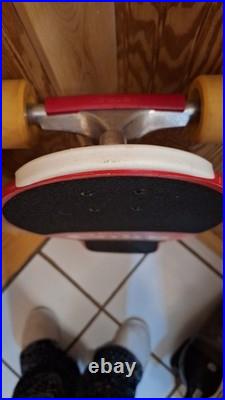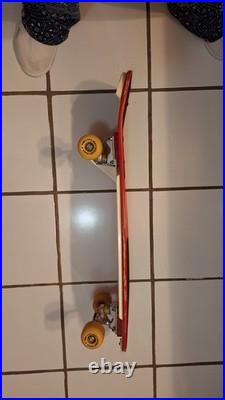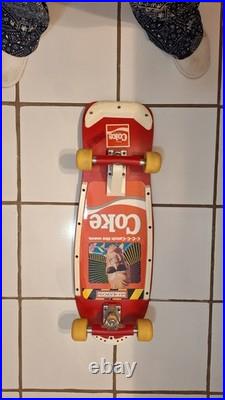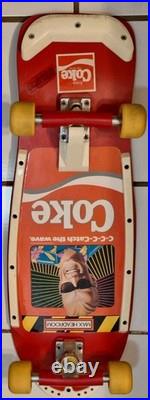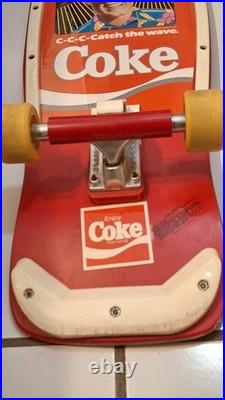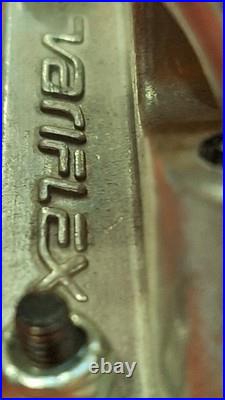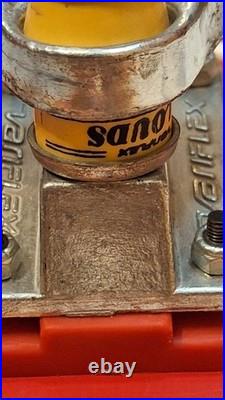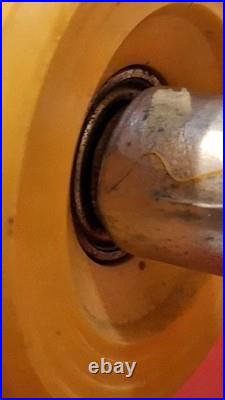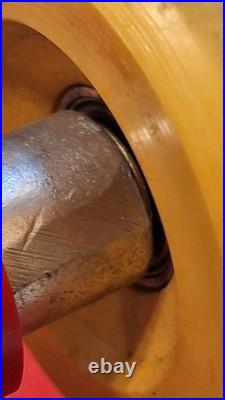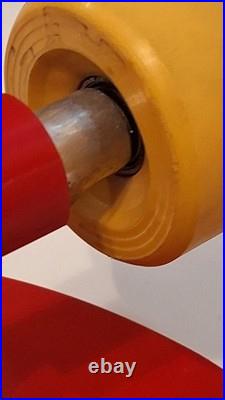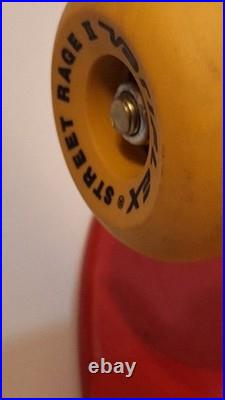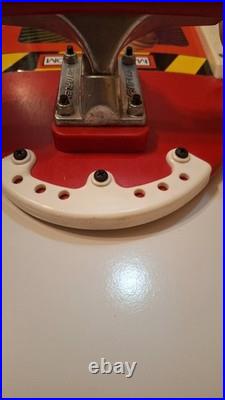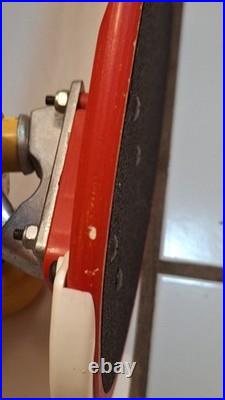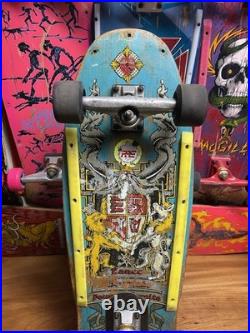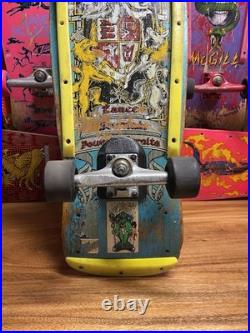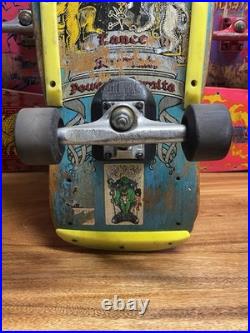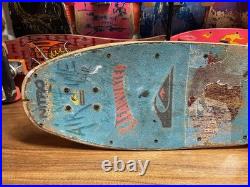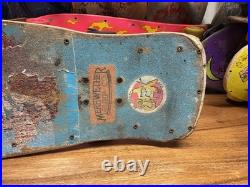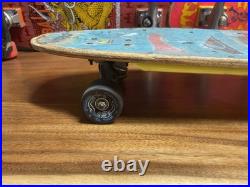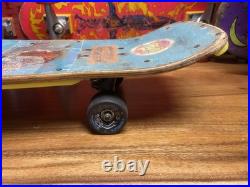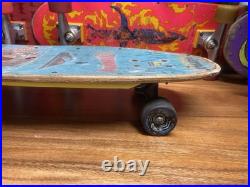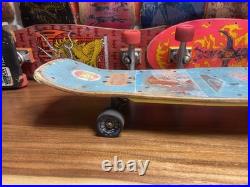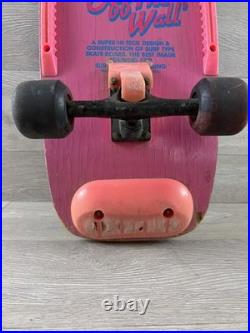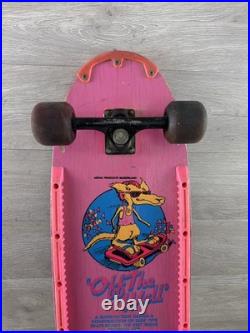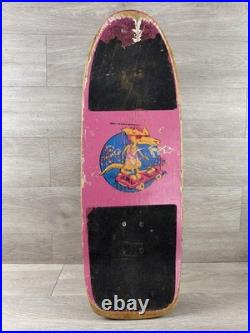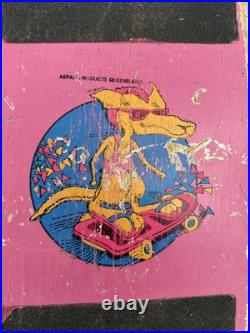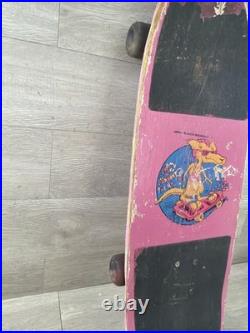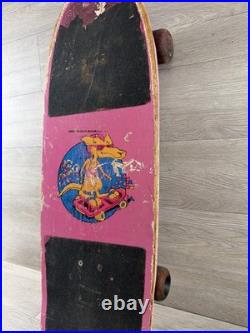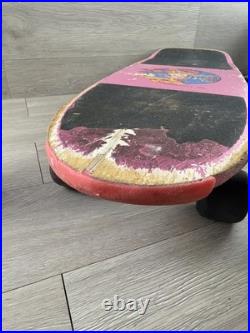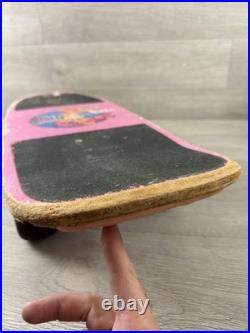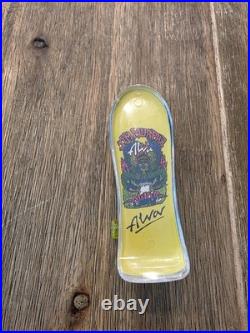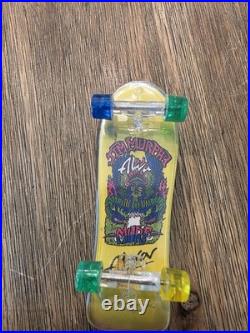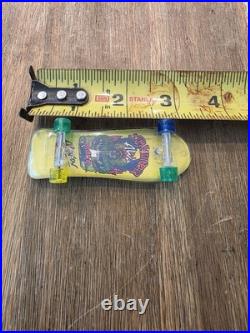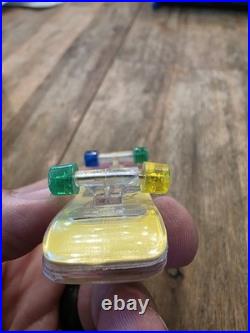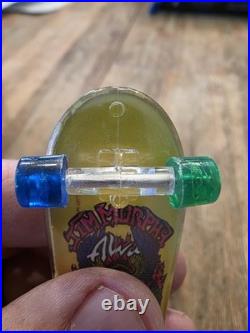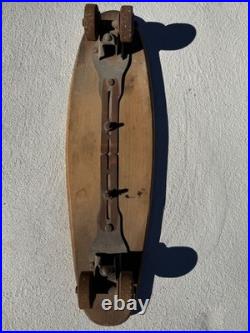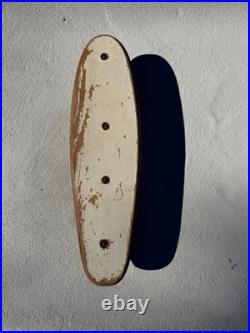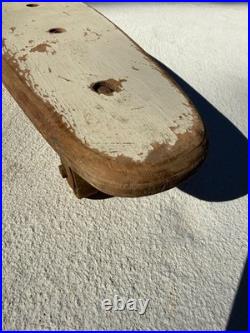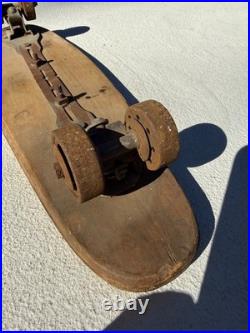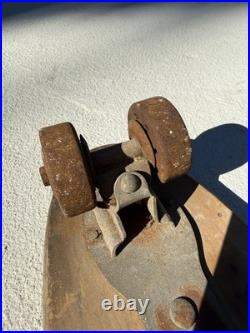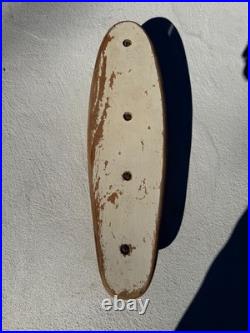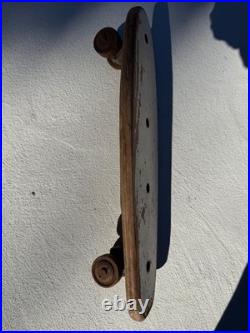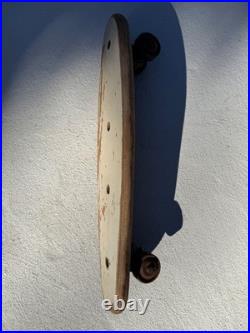
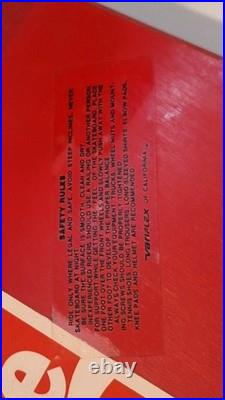
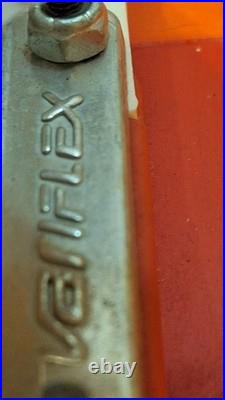
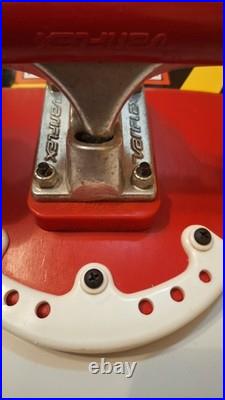
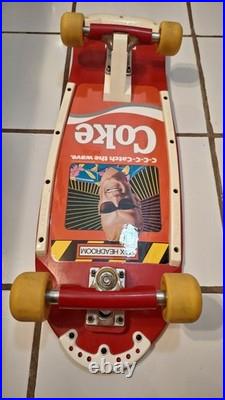
Vintage 1970s Yellow Duraflex x Lightning Bolt Skateboard Sidewalk Surfer preowned condition as shown in photos. Red Universal Grabber Wheels, all wheels spin freely and Universal Trucks. Customized with vintage stickers and Lightning Bolt like Lightning Bolt Surfboards of the same era. Really cool piece of nostalgia. I have it hangin in my collection for quite awhile.
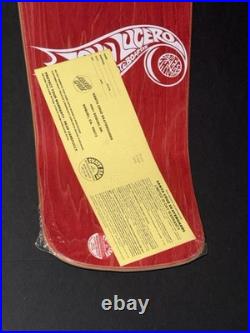
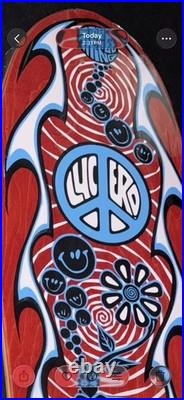
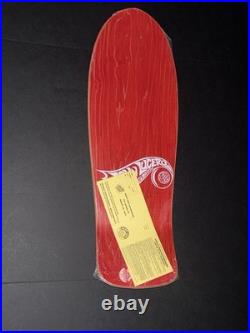
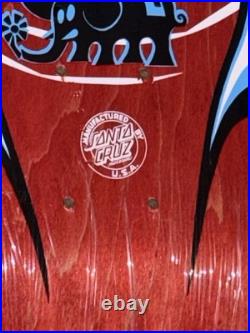
If you hit the B I N or I except best offer, you must pay immediately! I will start an’Unpaid Item’ case after 48 hours. This is not a re. 2003 SANTA CRUZ 30 FN YEARS GERIATRIC MODEL in Shrink NOS. If it doesn’t go. I’m gonna ride it! This board is over. You can’t find this board anywhere. Now while you can! Outta the fire proof safe and into your hands! Watch for different skatehoard auctions and B I N’s coming soon. This board is offered on alternative sites.
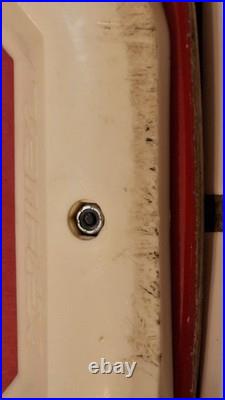
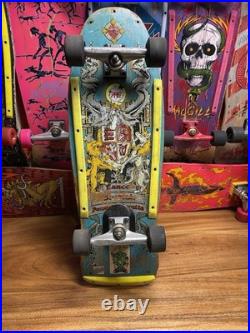
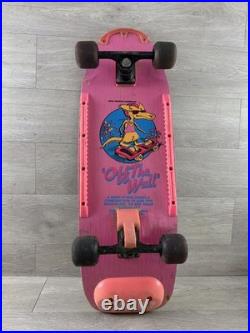
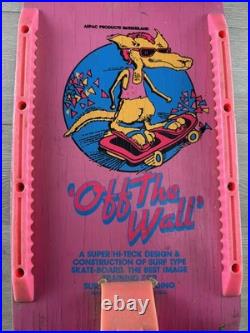
Vintage skateboard that as you can see has wear consistent with age. You get exactly the items you see in the images so please view all the pictures. These items do have wear consistent with age. Pictures are part of the description so please view all of them to judge condition. ALL OF MY ITEMS ARE VINTAGE AND FROM ESTATES. I CAN NOT GUARANTEE THEY ARE NOT FROM FROM HOMES WITH PETS OR SMOKERS.
This was an Emerica Dealer Only promotional metal sign, distributed to promote Go Skateboarding Day. Own a piece of extremely RARE Skateboarding memorabilia with this ORIGINAL, hard to find, 18×12 nostalgic metal sign! The sign is Like New, stored in a box for 26yrs condition and was never hung up. It has a couple small creases that can be easily removed to perfect original condition.
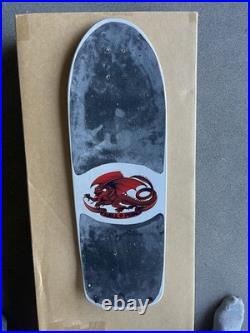
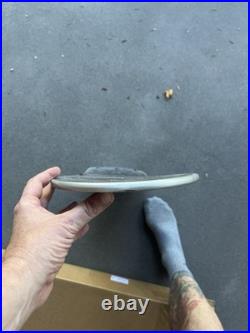
Vintage Jeff Kendall Snake skateboard deck manufactured in 1989. Neon green grip tape with original yellow Big Ugly rails from the 1989. This deck has a gorgeous patina gently revealing maroon woodgrain peeking through the original purple. There appears to be no damage to the deck incurred from any rail slides. There are mild scratches on the rails themselves. There is very mild wear on the tail indicating minimal original use. This deck has an antique classic look with very minimal use blemishes. This will be a very unique and rare original to add to your collection!
Material: Wooden deck. Condition: Scratches, stains, signs of use. Expedited: 1 to 2 weeks Estimated days may vary depending on the country and time. [About US] We are located in Japan. It’s our pleasure to make you happy by proposing our recommend item. If you have any questions or request about items, please feel free to ask us.
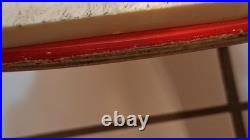
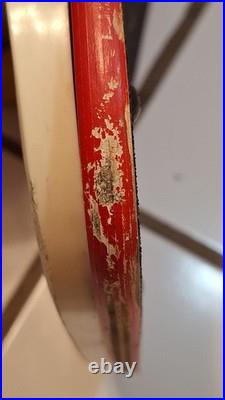
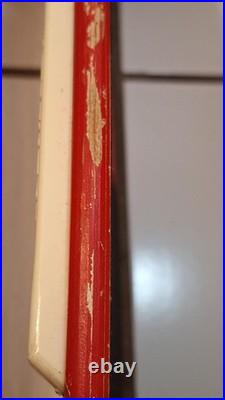
One of the very first! A rare, special, piece of Americana! 4.5″ W x 18 7/8″ L. Coined as a way to learn how to surf better…. Just enough use and patina to give her that street creed. Original 1960s Roller Derby sidewalk skateboard, featuring a red-painted wooden deck with white stenciled. Branding, mounted on sturdy steel roller-skate style trucks and wheels. This is a genuine early production model from the dawn of the skateboarding craze. The Roller Derby Skate Company, based in Litchfield, Illinois, was one of the first companies to mass-produce skateboards in the United States. Their Model #10, among others, introduced thousands of kids to skating before polyurethane wheels and modern deck shapes took over in the 1970s. Original wooden deck with beveled edges and red paint. White stencil “Roller Derby” graphics on top. Steel wheels on cast metal trucks. Made in USA – Litchfield, Illinois. However, before skateboards there were scooters, sometimes known as kick scooters and push scooters. Varied forms of scooters have been traced back to the early 1900s, most of them made from wood, metal, or a combination of the two. Scooters had anywhere from two to four wheels. Some of the wheels were metal and others were similar to the wheels on pedal cars. In the 1940s and 1950s, crate scooters made popular sidewalk vehicles. Most crate scooters were handmade. They were relatively inexpensive and simple for kids to construct by using a milk crate or wooden fruit box and metal roller skate wheels attached to a wooden 2 x 4. Eventually kids started removing the boxes and handlebars and just started riding the board with wheels, reminiscent of the famous skateboard scene in the 1985 film. Back to the Future. By the early 1960s, skateboarding started luring participants from the surfer scene. In 1962 a southern California surf shop, Val Surf, began making its own brand of skateboards and struck a deal with Chicago Roller Skate Company for the wheels. The skateboards began to attract everyday surfers who could use the boards when they weren’t in the water, and thus the term “sidewalk surfer” was coined. Additionally, skateboarding gained popularity when Larry Stevenson, publisher of. Promoted it in his monthly magazine. In 1963, Stevenson made the first professional skateboards using the Makaha brand and organized the first known skateboarding contest. That same year saw an evolution in skateboard design with the use of clay (also known as composite) wheels that replaced treacherous metal ones. Moving ahead, in 1964 surf and sailing entrepreneur Hobart “Hobie” Alter joined forces with Vita-Pakt company to make a line of Hobie skateboards; the Hobie line also sponsored several contests and professional skaters. Later that summer, the musical group Jan and Dean performed Sidewalk Surfin. On Dick Clark’s. An event which helped further popularize skateboarding with mainstream society. In 1965, the skateboarding sport peaked as manufacturers tried to keep up with the demand, cranking out an estimated 50 million skateboards between 1963 and 1965. In May, the world’s first skatepark, Surf City in Tucson, Arizona opened to the public..