Antique Vintage 1950s 50s Surf-n-Ski Skateboard Fox Mfg Wood Wooden Metal Wheels

Antique Vintage 1950s 50s Surf-n-Ski Skateboard Fox Mfg Wood Wooden Metal Wheels

Antique Vintage 1950s 50s Surf-n-Ski Skateboard Fox Mfg Wood Wooden Metal Wheels

Antique Vintage 1950s 50s Surf-n-Ski Skateboard Fox Mfg Wood Wooden Metal Wheels

Antique Vintage 1950s 50s Surf-n-Ski Skateboard Fox Mfg Wood Wooden Metal Wheels

Antique Vintage 1950s 50s Surf-n-Ski Skateboard Fox Mfg Wood Wooden Metal Wheels

Antique Vintage 1950s 50s Surf-n-Ski Skateboard Fox Mfg Wood Wooden Metal Wheels

Antique Vintage 1950s 50s Surf-n-Ski Skateboard Fox Mfg Wood Wooden Metal Wheels

Antique Vintage 1950s 50s Surf-n-Ski Skateboard Fox Mfg Wood Wooden Metal Wheels

Antique Vintage 1950s 50s Surf-n-Ski Skateboard Fox Mfg Wood Wooden Metal Wheels

Antique Vintage 1950s 50s Surf-n-Ski Skateboard Fox Mfg Wood Wooden Metal Wheels

Antique Vintage 1950s 50s Surf-n-Ski Skateboard Fox Mfg Wood Wooden Metal Wheels

Antique Vintage 1950s 50s Surf-n-Ski Skateboard Fox Mfg Wood Wooden Metal Wheels

Antique Vintage 1950s 50s Surf-n-Ski Skateboard Fox Mfg Wood Wooden Metal Wheels

Antique Vintage 1950s 50s Surf-n-Ski Skateboard Fox Mfg Wood Wooden Metal Wheels

Antique Vintage 1950s 50s Surf-n-Ski Skateboard Fox Mfg Wood Wooden Metal Wheels

Antique Vintage 1950s 50s Surf-n-Ski Skateboard Fox Mfg Wood Wooden Metal Wheels

Antique Vintage 1950s 50s Surf-n-Ski Skateboard Fox Mfg Wood Wooden Metal Wheels

Antique Vintage 1950s 50s Surf-n-Ski Skateboard Fox Mfg Wood Wooden Metal Wheels

Antique Vintage 1950s 50s Surf-n-Ski Skateboard Fox Mfg Wood Wooden Metal Wheels

Antique Vintage 1950s 50s Surf-n-Ski Skateboard Fox Mfg Wood Wooden Metal Wheels

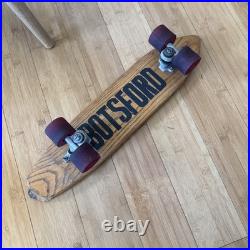
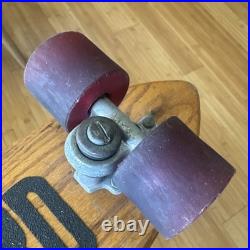
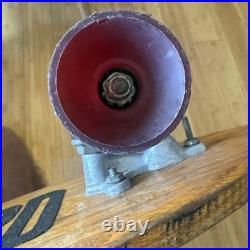
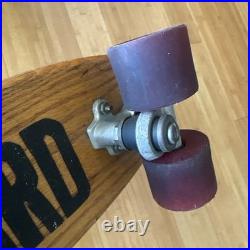
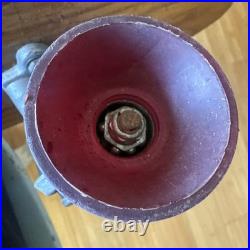
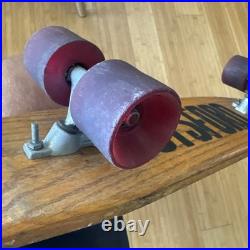
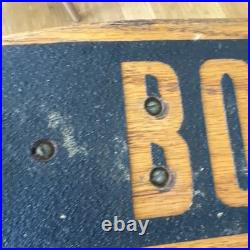
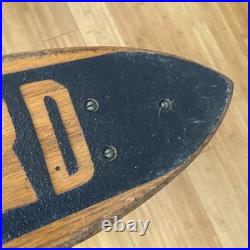
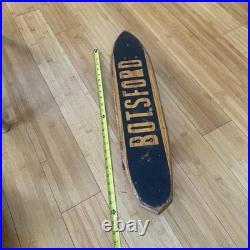
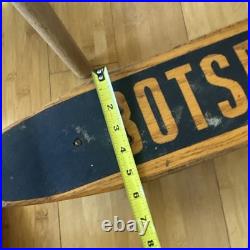
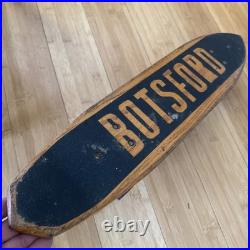
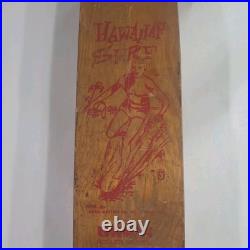
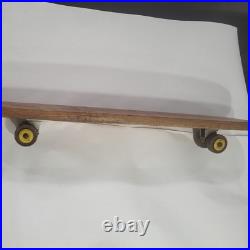
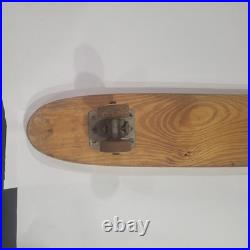
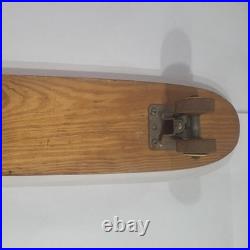
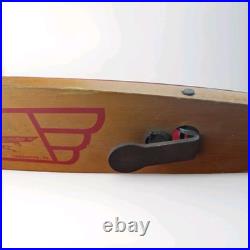
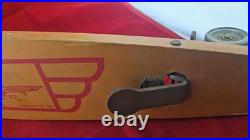
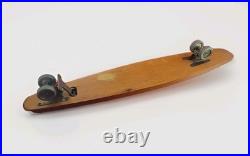
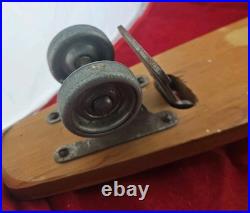
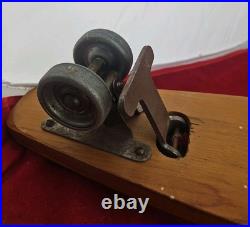
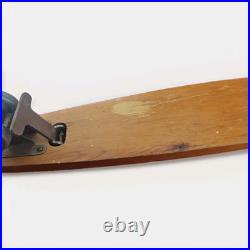
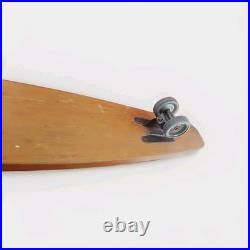
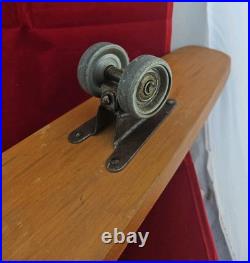
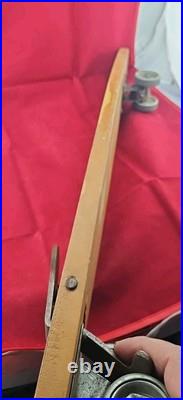
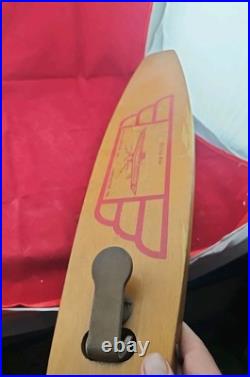
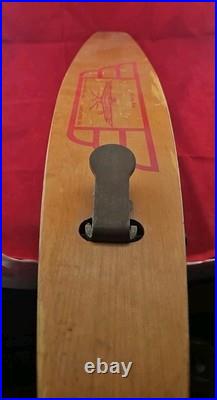
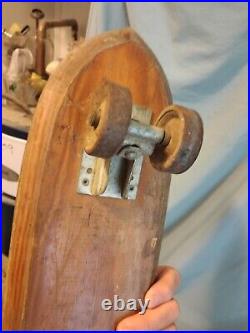
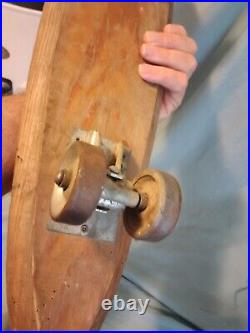
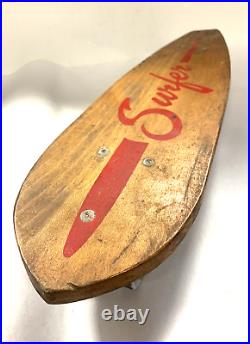
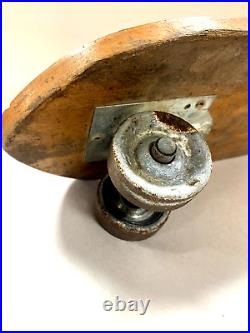
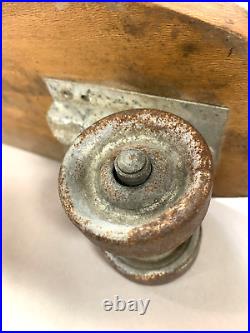
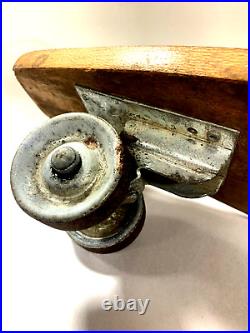
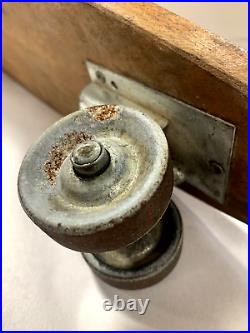
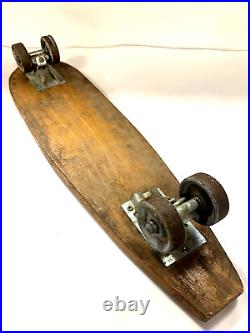
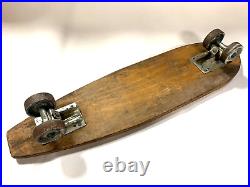
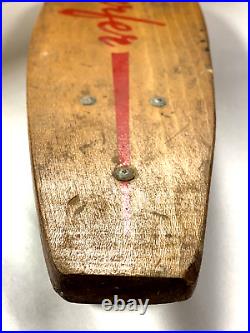
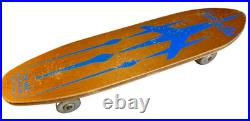
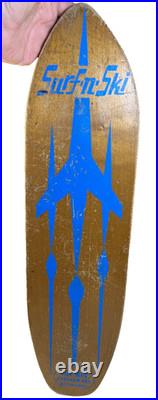
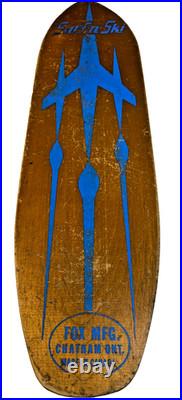
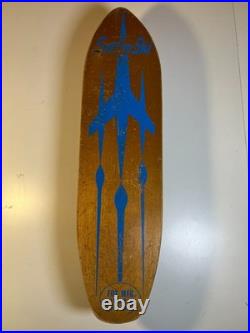
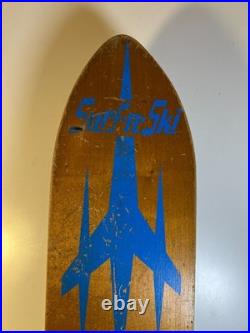
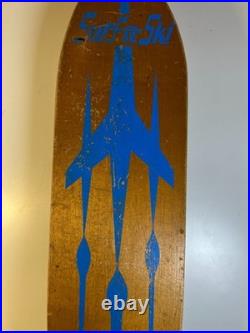
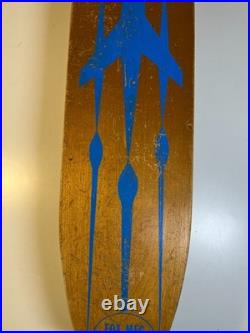
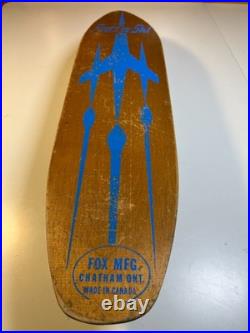
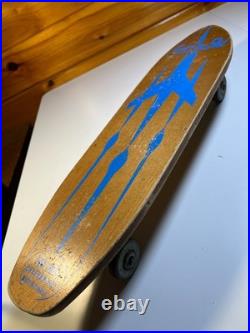
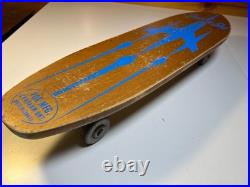
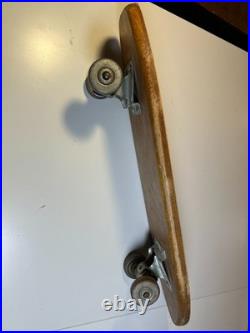
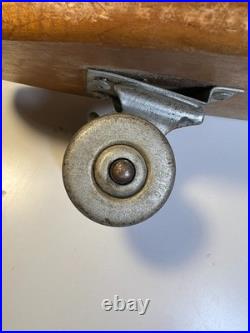
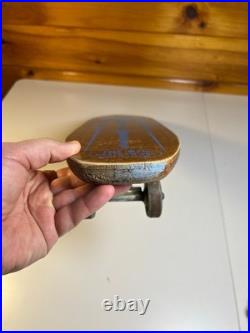
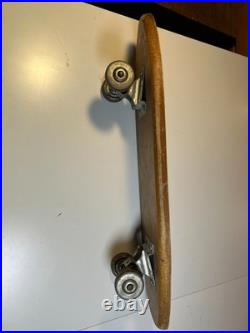
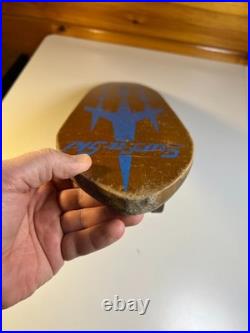
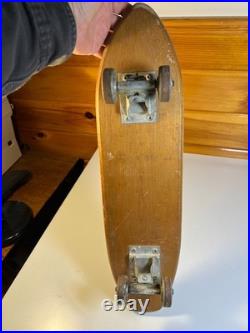
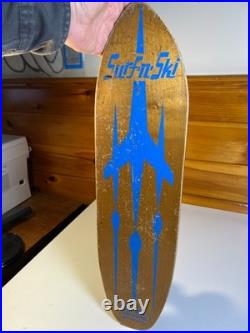
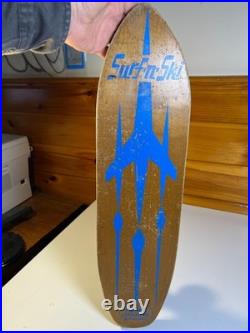
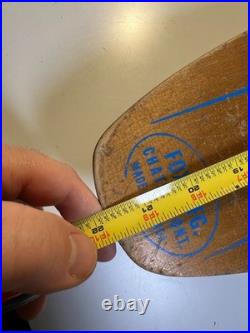
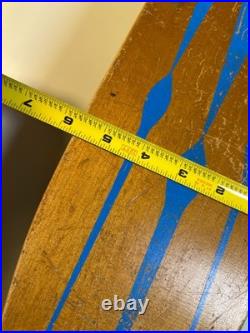
This thing doesn’t just roll-it teleports you straight into mid-century optimism, bad ideas, and fearless childhoods. Before urethane, before helmets, before anyone thought “maybe this could go wrong”. “Surf-n-Ski” skateboard is from a time when skateboarding was barely a concept and gravity was treated like a suggestion. One pebble away from seeing God. And that’s exactly why it matters. Fox Manufacturing operated out of Chatham, Ontario, a mid-century Canadian industrial town known for metalworking, woodworking, and practical manufacturing-not youth rebellion or counterculture. Fox wasn’t trying to invent a lifestyle brand. They were adapting existing manufacturing skills to new postwar leisure trends. This board is a perfect example of that mindset. Woodworking borrowed from furniture and sled construction. Metal trucks adapted from roller skates. Steel wheels because. Well. That’s what they already knew how to make. Skateboards didn’t yet have their own industry. They were assembled from whatever already existed, and Fox was right there at the beginning. When This Was Made: Life in the Late 1950s-Early 1960s. This board comes from the atomic-age sweet spot, when the future looked shiny and slightly dangerous. Rockets, jets, supersonic aircraft. Household TVs glowing with space-age promise. NASA racing the Soviet Union to the Moon. Everything from cars to toasters looked like it could break the sound barrier. Polio vaccines were finally changing childhood survival rates. Antibiotics were widely available but still felt miraculous. Safety standards were. Aspirational. Cold War tension everywhere. Duck-and-cover drills in schools. Space wasn’t just science-it was national identity. Kids were told to go outside and figure it out. Skateboarding History: How Early Is This? Skateboarding didn’t meaningfully exist until the late 1950s, when surfers in California bolted roller-skate trucks onto wooden planks to “surf” sidewalks when waves were flat. This board belongs to. Pre-urethane (urethane wheels don’t arrive until the early 1970s). Pre-tricks, pre-parks, pre-anything resembling modern skating. Most early boards were ridden to death, snapped, discarded, or replaced once better technology arrived. Survivors-especially complete ones with original graphics-are scarce. And yet. This entire era is wildly under-appreciated. Why This Era Is Underrated. Skate history often jumps straight to. But none of that happens without boards like this. These were the boards that. Proved rolling sideways was fun. Taught balance the hard way. Turned sidewalks into playgrounds. Set the foundation for everything that followed. They’re the missing chapter collectors are only just starting to value properly. The Imagery: Rockets, Travel, and the Future. Look at the graphics. That bold blue arrow-rocket motif isn’t accidental. Speed as a virtue. The name “Surf-n-Ski” perfectly captures the era’s obsession with hybrid leisure -combining sports, travel, and futuristic branding into one object. This wasn’t rebellion yet. This was optimism on wheels. The Ride: Absolutely Terrifying (and That’s the Point). Metal wheels on concrete are. There’s no grip. No margin for error. Every crack, pebble, or expansion joint is a negotiation with fate. Riding this would feel less like skating and more like testing experimental transportation technology. Which, frankly, makes it incredible. Why Collecting Skateboards Is a Genius Move. You can hang dozens in the space one painting would take. And early boards like this? They blur the line between. This isn’t just a skateboard. It’s a time capsule you can hang on a wall. Wheels: Original metal wheels. Length: 21.75 in (55.2 cm). Width: 5 5/8 in (14.3 cm). / MADE IN CANADA. Honest wear throughout-exactly what you want to see on something that actually lived. This board comes from a moment when. The future looked fast. Owning it isn’t about nostalgia. It’s about recognizing where everything started -before skateboarding became a culture, an industry, or an identity. And yes-your ankles are safer just looking at it.
Vintage Antique Wood Skateboard SURF Sidewalk Metal Wheels Norfolk, Nebraska

Vintage Antique Wood Skateboard SURF Sidewalk Metal Wheels Norfolk, Nebraska

Vintage Antique Wood Skateboard SURF Sidewalk Metal Wheels Norfolk, Nebraska

Vintage Antique Wood Skateboard SURF Sidewalk Metal Wheels Norfolk, Nebraska

Vintage Antique Wood Skateboard SURF Sidewalk Metal Wheels Norfolk, Nebraska

Vintage Antique Wood Skateboard SURF Sidewalk Metal Wheels Norfolk, Nebraska

Vintage Antique Wood Skateboard SURF Sidewalk Metal Wheels Norfolk, Nebraska

Vintage Antique Wood Skateboard SURF Sidewalk Metal Wheels Norfolk, Nebraska

Vintage Antique Wood Skateboard SURF Sidewalk Metal Wheels Norfolk, Nebraska

Vintage Antique Wood Skateboard SURF Sidewalk Metal Wheels Norfolk, Nebraska

Vintage Antique Wood Skateboard SURF Sidewalk Metal Wheels Norfolk, Nebraska

Vintage Antique Wood Skateboard SURF Sidewalk Metal Wheels Norfolk, Nebraska

Vintage Antique Wood Skateboard SURF Sidewalk Metal Wheels Norfolk, Nebraska

Vintage Antique Wood Skateboard SURF Sidewalk Metal Wheels Norfolk, Nebraska

Vintage Antique Wood Skateboard SURF Sidewalk Metal Wheels Norfolk, Nebraska

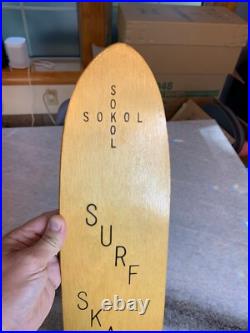
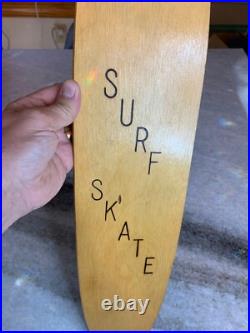
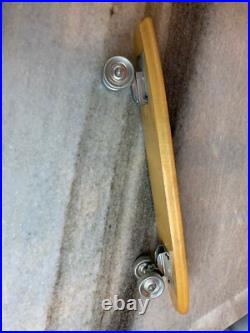
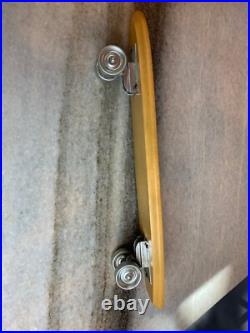
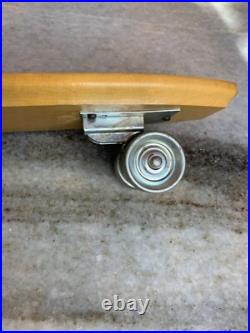
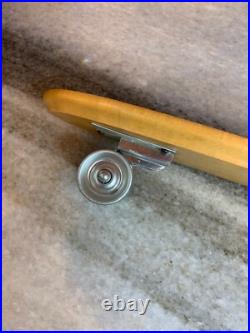
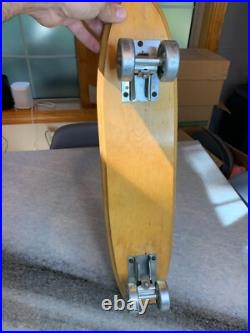
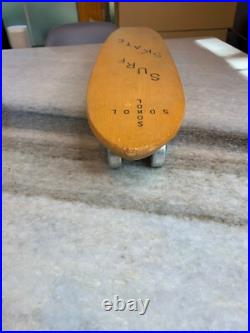
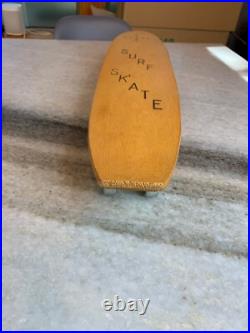
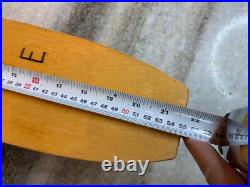
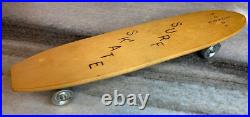
A piece of Americana! An early wooden skateboard with metal wheels that was there to witness the entire birth of the industry! Circa 1960 hailing from Norfolk, Nebraska. 21.75″ L x 5″ W. Skateboarding was initially marketed to surfers as a cheaper/easier way to practice surfing aka “sidewalk surfing”.. Imagine writing these gnarly, little, metal wheels, down a steep tarred hill in California! However, before skateboards there were scooters, sometimes known as kick scooters and push scooters. Varied forms of scooters have been traced back to the early 1900s, most of them made from wood, metal, or a combination of the two. Scooters had anywhere from two to four wheels. Some of the wheels were metal and others were similar to the wheels on pedal cars. In the 1940s and 1950s, crate scooters made popular sidewalk vehicles. Most crate scooters were handmade. They were relatively inexpensive and simple for kids to construct by using a milk crate or wooden fruit box and metal roller skate wheels attached to a wooden 2 x 4. Eventually kids started removing the boxes and handlebars and just started riding the board with wheels, reminiscent of the famous skateboard scene in the 1985 film. Back to the Future. Trade sheet, about 1960, from The Stephen and. Diane Olin Toy Catalog Collection, The Strong, Rochester. By the early 1960s, skateboarding started luring participants from the surfer scene. In 1962 a southern California surf shop, Val Surf, began making its own brand of skateboards and struck a deal with Chicago Roller Skate Company for the wheels. The skateboards began to attract everyday surfers who could use the boards when they weren’t in the water, and thus the term “sidewalk surfer” was coined. Additionally, skateboarding gained popularity when Larry Stevenson, publisher of. Promoted it in his monthly magazine. In 1963, Stevenson made the first professional skateboards using the Makaha brand and organized the first known skateboarding contest. That same year saw an evolution in skateboard design with the use of clay (also known as composite) wheels that replaced treacherous metal ones. Moving ahead, in 1964 surf and sailing entrepreneur Hobart “Hobie” Alter joined forces with Vita-Pakt company to make a line of Hobie skateboards; the Hobie line also sponsored several contests and professional skaters. Later that summer, the musical group Jan and Dean performed Sidewalk Surfin. On Dick Clark’s. An event which helped further popularize skateboarding with mainstream society. In 1965, the skateboarding sport peaked as manufacturers tried to keep up with the demand, cranking out an estimated 50 million skateboards between 1963 and 1965. In May, the world’s first skatepark, Surf City in Tucson, Arizona opened to the public.. But Thompson didn’t know until recently that his hometown has a history with the sport and leisure activity that dates almost as far back as the beginning of skateboarding itself. Sokol Surf Skates – a brand of wooden skateboards featuring burnt-engraved lettering – were made in Norfolk in the mid- to late 1960s by a fledgling company called Sokol Manufacturing. Thompson stumbled across the obscure bit of trivia after seeing a photo posted by one of his childhood heroes, professional skateboarder Steve Caballero. “He has an enormous collection of all these different skateboards, ” Thompson said of the famous skater. (One) is stamped with’Norfolk, Nebraska,’ so I asked him about it. Thompson said Caballero told him that rare brand of board was manufactured in Norfolk, to which Thompson replied, That’s where I’ve lived my whole life, and I’ve never heard of this. According to the Daily News archives, Sokol Surf Skates were the first products made when Sokol Manufacturing began operation in Norfolk in April 1965. The plant – owned by Leo Sokol – was located south of the Elkhorn River..
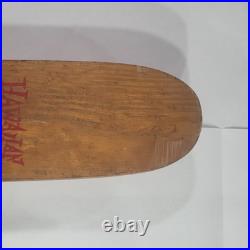
Vintage 1881 Roller Skates w Cast Iron & Wooden Wheels Brass Antique 11365

Vintage 1881 Roller Skates w Cast Iron & Wooden Wheels Brass Antique 11365

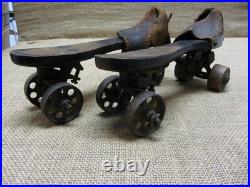
We have for your consideration a RARE vintage set of 1881 roller skates. These skates are made of wood, cast iron, brass and leather. The body is made of wood along with the rear wheels and the front wheels are made of cast iron. It has brass heel guards. There is adjustment screws on the bottle to adjust height? The leather is dried and fragile. I have never come across a set of roller skates this old and in this condition. Approximate Measurements Each skate measures 9″ x 2 1/4″ wide. 4# Markings 1881 Patent Nov 6 Aug 23 81 Approved 83, Condition Good condition for their age. The metal areas have minor to moderate surface rust, see pictures. See description above for further info on the condition. Inventory Number 11365 76902. Vintage 1881 Roller Skates w Cast Iron & Wooden Wheels > Brass Antique 11365. Each skate measures 9″ x 2 1/4″ wide. 1881 Patent Nov 6 Aug 23 81 Approved 83. Good condition for their age. Extreme care will be taken in packing your item. Contact me for the details limitations. Keep in mind that when dealing with any vintage cast item that there may be casting flaws. I will declare all major casting flaws that I find. Read the description very carefully as all the details of the item such as condition, measurements and markings are all listed. I provide plenty of pictures for you to verify the condition. Welcome to Miliki’s Shed! In my store you will find antiques and collectable treasures. I search flea markets, garage sales and auctions for that’one-of-a-kind’ item or any kind of interesting antiquities. Thank you, I appreciate your business. Get images that make Supersized seem small. Showcase your items with Auctiva’s. Track Page Views With.

RARE Vintage Antique Wood Wooden Sidewalk Skateboard Surfboard Hawaiian Surf

RARE Vintage Antique Wood Wooden Sidewalk Skateboard Surfboard Hawaiian Surf

RARE Vintage Antique Wood Wooden Sidewalk Skateboard Surfboard Hawaiian Surf

RARE Vintage Antique Wood Wooden Sidewalk Skateboard Surfboard Hawaiian Surf

RARE Vintage Antique Wood Wooden Sidewalk Skateboard Surfboard Hawaiian Surf

RARE Vintage Antique Wood Wooden Sidewalk Skateboard Surfboard Hawaiian Surf

RARE Vintage Antique Wood Wooden Sidewalk Skateboard Surfboard Hawaiian Surf

RARE Vintage Antique Wood Wooden Sidewalk Skateboard Surfboard Hawaiian Surf

RARE Vintage Antique Wood Wooden Sidewalk Skateboard Surfboard Hawaiian Surf

RARE Vintage Antique Wood Wooden Sidewalk Skateboard Surfboard Hawaiian Surf

RARE Vintage Antique Wood Wooden Sidewalk Skateboard Surfboard Hawaiian Surf

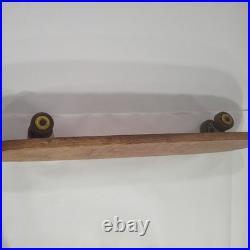
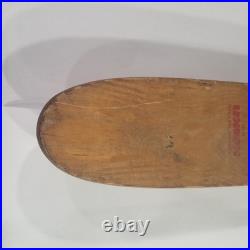
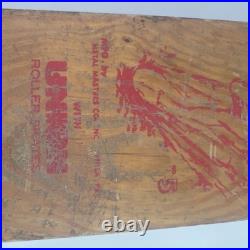
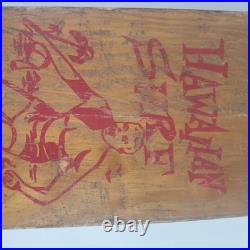
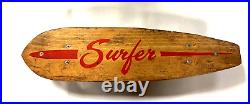
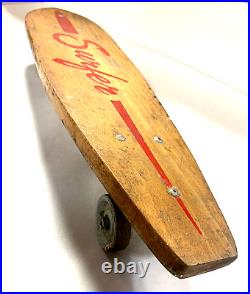
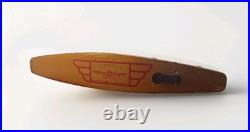
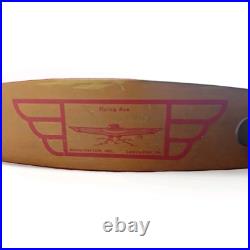
This rare vintage antique wood wooden sidewalk skateboard (Sidewalk Surfboard) by Metal Masters Inc is a unique piece of sporting history. The SURFER model exudes a retro 60s vibe, perfect for those looking to channel their inner surfing enthusiast. Made in the United States, this piece showcases the craftsmanship and style of a bygone era, making it a valuable addition to any collection of vintage skateboarding memorabilia.
RARE Vintage Antique Wood Wooden Sidewalk Skateboard Surfboard Hawaiian Surf

RARE Vintage Antique Wood Wooden Sidewalk Skateboard Surfboard Hawaiian Surf

RARE Vintage Antique Wood Wooden Sidewalk Skateboard Surfboard Hawaiian Surf

RARE Vintage Antique Wood Wooden Sidewalk Skateboard Surfboard Hawaiian Surf

RARE Vintage Antique Wood Wooden Sidewalk Skateboard Surfboard Hawaiian Surf

RARE Vintage Antique Wood Wooden Sidewalk Skateboard Surfboard Hawaiian Surf

RARE Vintage Antique Wood Wooden Sidewalk Skateboard Surfboard Hawaiian Surf

RARE Vintage Antique Wood Wooden Sidewalk Skateboard Surfboard Hawaiian Surf

RARE Vintage Antique Wood Wooden Sidewalk Skateboard Surfboard Hawaiian Surf

RARE Vintage Antique Wood Wooden Sidewalk Skateboard Surfboard Hawaiian Surf

RARE Vintage Antique Wood Wooden Sidewalk Skateboard Surfboard Hawaiian Surf

RARE Vintage Antique Wood Wooden Sidewalk Skateboard Surfboard Hawaiian Surf

RARE Vintage Antique Wood Wooden Sidewalk Skateboard Surfboard Hawaiian Surf

RARE Vintage Antique Wood Wooden Sidewalk Skateboard Surfboard Hawaiian Surf

RARE Vintage Antique Wood Wooden Sidewalk Skateboard Surfboard Hawaiian Surf

RARE Vintage Antique Wood Wooden Sidewalk Skateboard Surfboard Hawaiian Surf

RARE Vintage Antique Wood Wooden Sidewalk Skateboard Surfboard Hawaiian Surf

RARE Vintage Antique Wood Wooden Sidewalk Skateboard Surfboard Hawaiian Surf

RARE Vintage Antique Wood Wooden Sidewalk Skateboard Surfboard Hawaiian Surf

RARE Vintage Antique Wood Wooden Sidewalk Skateboard Surfboard Hawaiian Surf

RARE Vintage Antique Wood Wooden Sidewalk Skateboard Surfboard Hawaiian Surf

RARE Vintage Antique Wood Wooden Sidewalk Skateboard Surfboard Hawaiian Surf

A piece of Americana! Made in Philadelphia (Philly) Pennsylvania! An early wooden skateboard with metal wheels that was there to witness the entire birth of the industry! Just enough patina (and wear) to attest it’s been around the block but nice and bright to display. 21.5″L x 5.5″ W to 4.25″ W (tapered) and 3.5″ T. Skateboarding was initially marketed to surfers as a cheaper/easier way to practice surfing aka “sidewalk surfing”.. Blinged out matching, red, hub caps! Imagine writing these gnarly, little, metal wheels, down a steep paved hill in California! However, before skateboards there were scooters, sometimes known as kick scooters and push scooters. Varied forms of scooters have been traced back to the early 1900s, most of them made from wood, metal, or a combination of the two. Scooters had anywhere from two to four wheels. Some of the wheels were metal and others were similar to the wheels on pedal cars. In the 1940s and 1950s, crate scooters made popular sidewalk vehicles. Most crate scooters were handmade. They were relatively inexpensive and simple for kids to construct by using a milk crate or wooden fruit box and metal roller skate wheels attached to a wooden 2 x 4. Eventually kids started removing the boxes and handlebars and just started riding the board with wheels, reminiscent of the famous skateboard scene in the 1985 film. Back to the Future. Trade sheet, about 1960, from The Stephen and. Diane Olin Toy Catalog Collection, The Strong, Rochester. By the early 1960s, skateboarding started luring participants from the surfer scene. In 1962 a southern California surf shop, Val Surf, began making its own brand of skateboards and struck a deal with Chicago Roller Skate Company for the wheels. The skateboards began to attract everyday surfers who could use the boards when they weren’t in the water, and thus the term “sidewalk surfer” was coined. Additionally, skateboarding gained popularity when Larry Stevenson, publisher of. Promoted it in his monthly magazine. In 1963, Stevenson made the first professional skateboards using the Makaha brand and organized the first known skateboarding contest. That same year saw an evolution in skateboard design with the use of clay (also known as composite) wheels that replaced treacherous metal ones. Moving ahead, in 1964 surf and sailing entrepreneur Hobart “Hobie” Alter joined forces with Vita-Pakt company to make a line of Hobie skateboards; the Hobie line also sponsored several contests and professional skaters. Later that summer, the musical group Jan and Dean performed Sidewalk Surfin. On Dick Clark’s. An event which helped further popularize skateboarding with mainstream society. In 1965, the skateboarding sport peaked as manufacturers tried to keep up with the demand, cranking out an estimated 50 million skateboards between 1963 and 1965. In May, the world’s first skatepark, Surf City in Tucson, Arizona opened to the public..

RARE Antique VTG 1960s Wooden Wood Early Skateboard Surfer Metal Wheels! (EY)

RARE Antique VTG 1960s Wooden Wood Early Skateboard Surfer Metal Wheels! (EY)

RARE Antique VTG 1960s Wooden Wood Early Skateboard Surfer Metal Wheels! (EY)

RARE Antique VTG 1960s Wooden Wood Early Skateboard Surfer Metal Wheels! (EY)

RARE Antique VTG 1960s Wooden Wood Early Skateboard Surfer Metal Wheels! (EY)

RARE Antique VTG 1960s Wooden Wood Early Skateboard Surfer Metal Wheels! (EY)

RARE Antique VTG 1960s Wooden Wood Early Skateboard Surfer Metal Wheels! (EY)

RARE Antique VTG 1960s Wooden Wood Early Skateboard Surfer Metal Wheels! (EY)

RARE Antique VTG 1960s Wooden Wood Early Skateboard Surfer Metal Wheels! (EY)

RARE Antique VTG 1960s Wooden Wood Early Skateboard Surfer Metal Wheels! (EY)

RARE Antique VTG 1960s Wooden Wood Early Skateboard Surfer Metal Wheels! (EY)

RARE Antique VTG 1960s Wooden Wood Early Skateboard Surfer Metal Wheels! (EY)

RARE Antique VTG 1960s Wooden Wood Early Skateboard Surfer Metal Wheels! (EY)

RARE Antique VTG 1960s Wooden Wood Early Skateboard Surfer Metal Wheels! (EY)

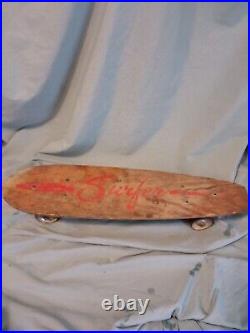
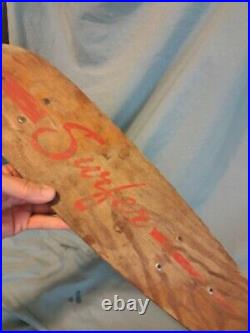
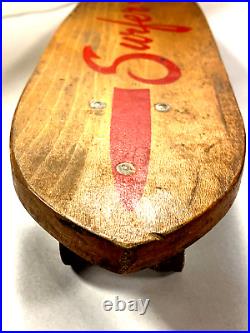
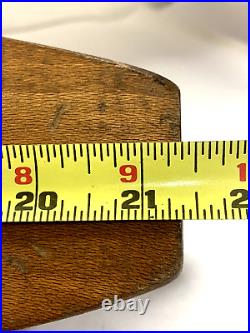
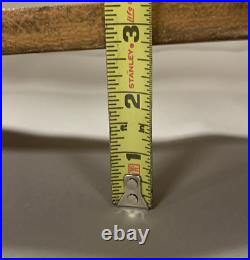
Antique Vintage 1960s Wooden Wood Early Skateboard “Surfer” Metal Wheels. Of the generation whereby they were marketing these as a cheaper/easier means to learning how to surf aka “sidewalk surfing”; Made all the clearer by the fact that this model is literally “Surfer” in a beautiful, cursive, red font. A piece of americana and a key moment in time for the evolution of the american skateboard! Imagine riding down a steep california hill riding these METAL wheels! 21.5″ L x 5.5″ W. Overall very nice condition, with a very bright, vibrant, cursive red logo. Please see pics for any minor blemishes. However, before skateboards there were scooters, sometimes known as kick scooters and push scooters. Varied forms of scooters have been traced back to the early 1900s, most of them made from wood, metal, or a combination of the two. Scooters had anywhere from two to four wheels. Some of the wheels were metal and others were similar to the wheels on pedal cars. In the 1940s and 1950s, crate scooters made popular sidewalk vehicles. Most crate scooters were handmade. They were relatively inexpensive and simple for kids to construct by using a milk crate or wooden fruit box and metal roller skate wheels attached to a wooden 2 x 4. Eventually kids started removing the boxes and handlebars and just started riding the board with wheels, reminiscent of the famous skateboard scene in the 1985 film. Back to the Future. LOOKING PLEASE CHECK OUT MY OTHER LISTINGS!