Daily Archives: October 18, 2025
Vintage Variflex Skateboard 1990 Spider-Man Marvel Skate Wooden Board RARE
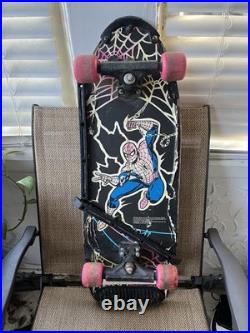
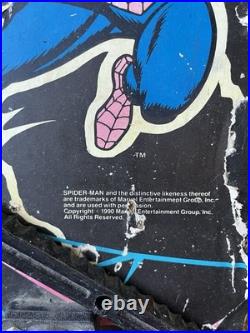
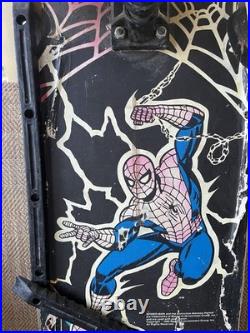
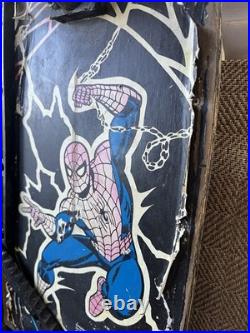
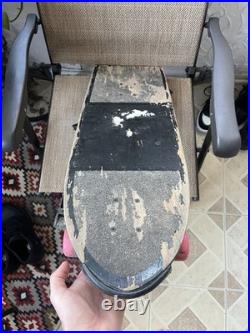
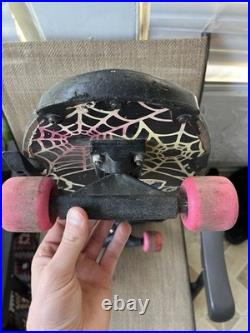
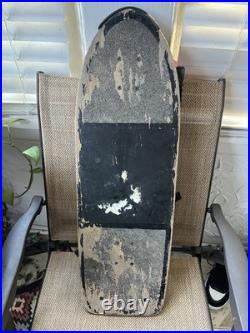
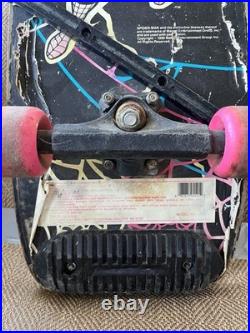
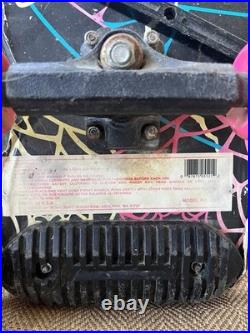
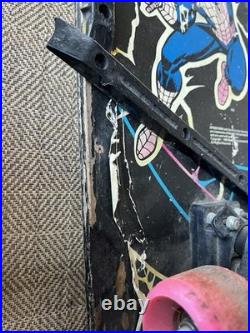
This one is pretty beat but would make a Great Wall hanger or display piece! The Vintage Skateboard 1990 Spider-Man Marvel Skate Collectible Wooden Board is a rare and unique sidewalk surfboard featuring a design inspired by the iconic Marvel superhero, Spider-Man. This collectible piece is a must-have for any skateboarding enthusiast or fan of vintage memorabilia. The wooden construction adds a classic touch to the board, making it a standout addition to any collection of skateboard gear.
Vintage 1960s 60s Wood Wooden Skateboard GOOFY FOOT Fort Worth TEXAS Steel Wheel
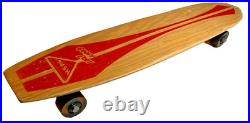
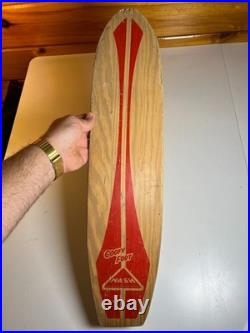
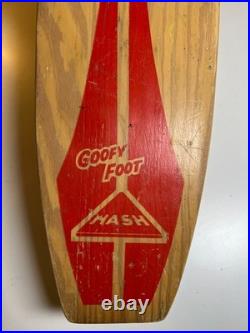
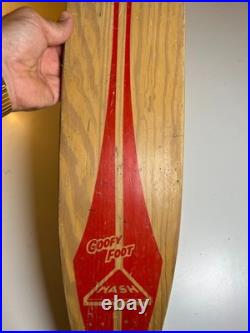
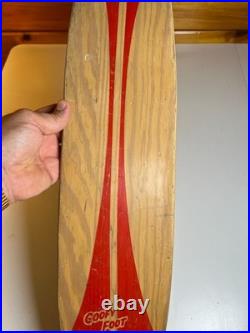
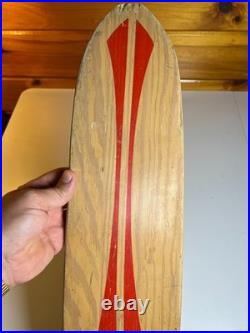
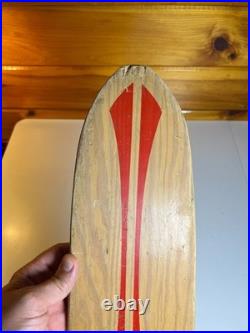
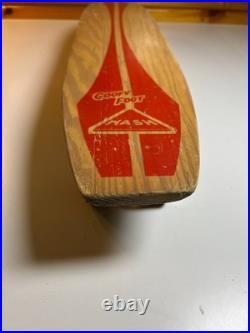
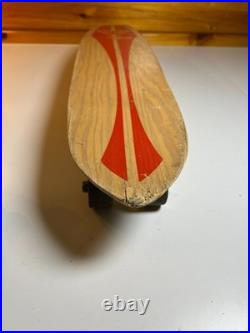
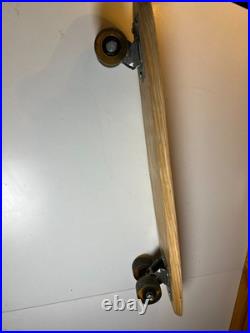
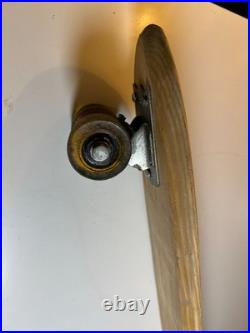
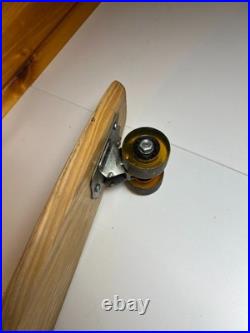
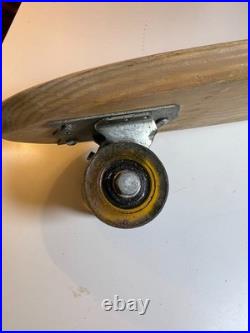
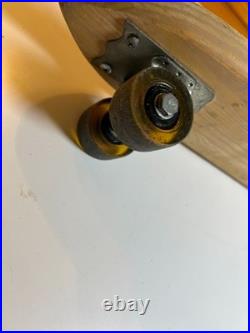
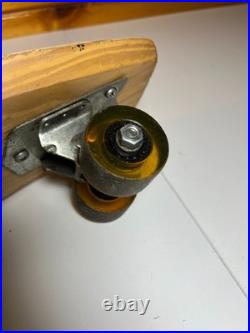
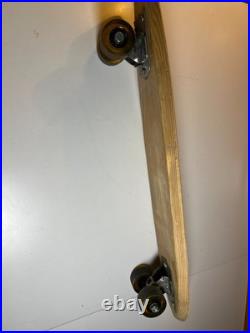
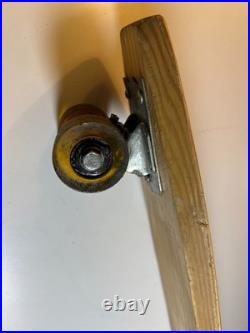
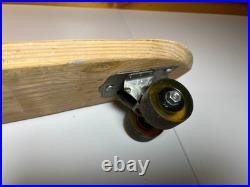
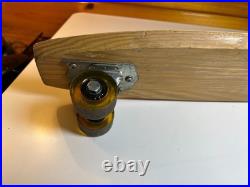
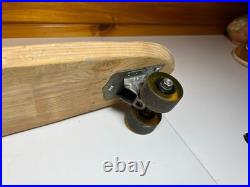
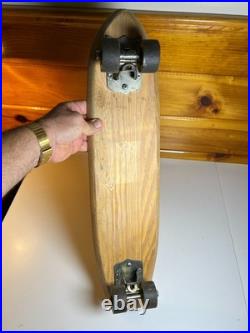
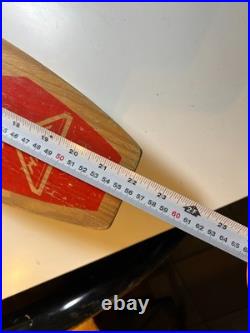
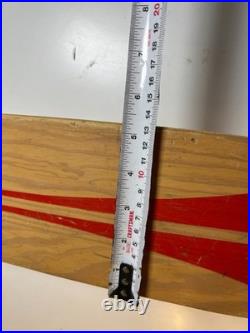
Skateboard by Nash Manufacturing, Fort Worth, Texas – one of the largest producers of early “sidewalk surfboards” during skateboarding’s first boom. Red “Goofy Foot” graphics with Nash triangle logo. Solid wood deck with tapered nose and tail. Stamped steel trucks with loose ball bearings. Early original urethane wheels in excellent condition – they are still translucent. 22″ L x 5.25″ W. All parts are original and unrestored. Surf-Skate Crossover Timeline (1950s-Today). 1950s – Surf Culture Foundations. Surf culture spreads through films. Surf slang (“hang ten, ” “wipeout, ” “goofy foot”) becomes part of youth vocabulary. Early 1960s – Birth of Skateboarding (“Sidewalk Surfing”). Surfers bolt roller skate trucks/wheels to wooden planks. First commercial skateboards made by surfboard companies like Hobie, Makaha, and Val-Surf. Clay wheels and narrow trucks limit performance but mimic surf carving on smooth pavement. Branding heavily uses surf terms. Mid 1960s – First Skateboard Boom. Department stores Sears, Montgomery Ward, J. Penney sell mass-market boards, often made by Nash and other OEMs. The Surfaris’ Wipe Out. The Beach Boys fuels crossover marketing. Skate contests mimic surf competitions – judged on carving style, balance, and tricks like walk the nose. Late 1960s – Decline. Safety concerns and injuries cause bans in many cities. Surfing stays strong, but skateboarding enters its first dark age. 1970s – Skateboarding Reborn. Urethane wheels (1972) revolutionize skating – smoother, grippier rides allow for more radical turns. Surfer-skaters like the Z-Boys (Dogtown crew) bring low, aggressive surf style to empty pools and banks. Skateboarding develops vertical and freestyle disciplines, but style still echoes surf carving. 1980s – Skateboarding Finds Its Own Identity. Ramp skating and street skating evolve into distinct styles. Surf brands like Quiksilver, Gotcha, and Ocean Pacific market to skaters, while skate brands influence surfwear. 1990s-2000s – Cultural Cross-Pollination. Kelly Slater skateboarding in off-season keep the connection alive. Surf-inspired brands (Billabong, Hurley) sponsor skate teams; skate brands expand into surf apparel. Longboarding skateboards bring back surf-style cruising and carving. 2010s-Present – Technology & Style Merge. Surf skates (special trucks for deep carving) become popular training tools for surfers. Skateparks include “snake runs” and wave-shaped transitions inspired by surf breaks. Surf and skate fashion fully merge – same brands, shared graphics, interchangeable audience.