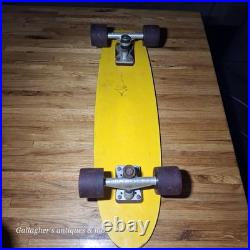
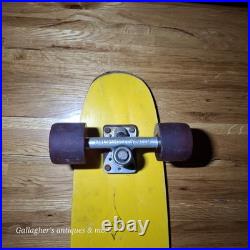
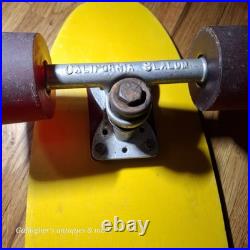
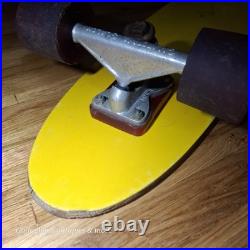
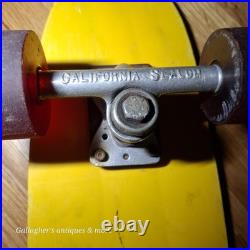
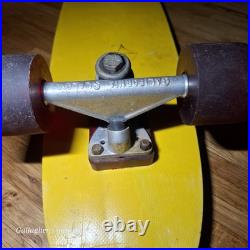
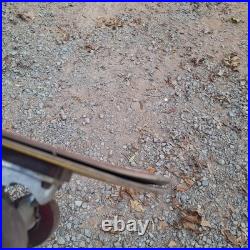
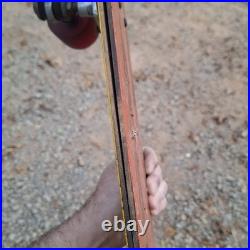
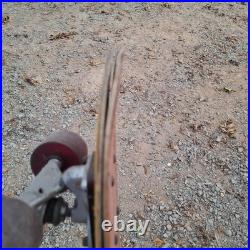
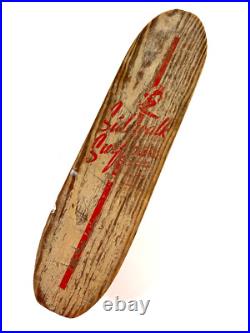
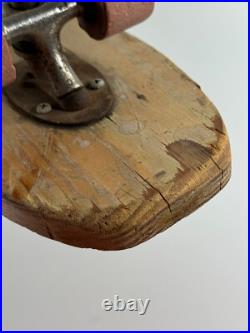
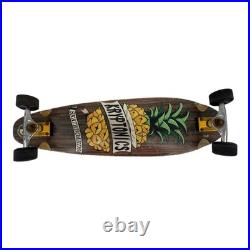
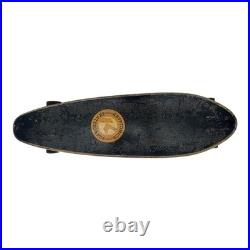
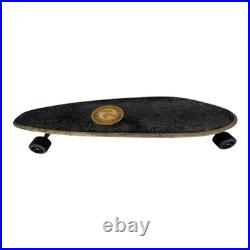
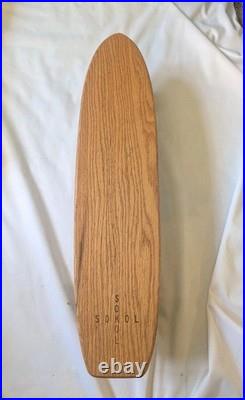
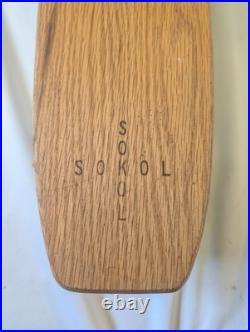
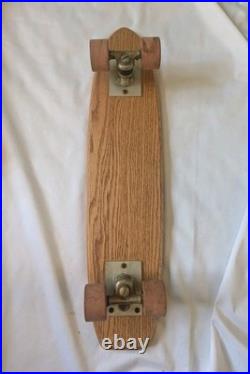
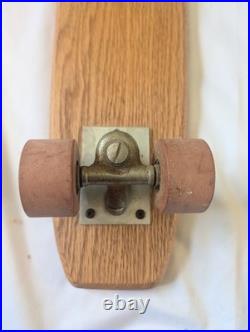
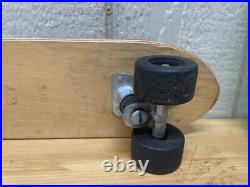
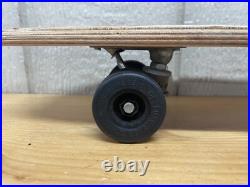
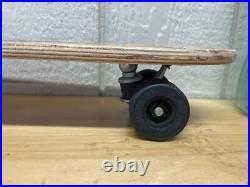
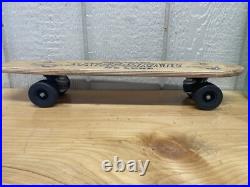
Antique Vintage 1950s 50s Surf-n-Ski Skateboard Fox Mfg Wood Wooden Metal Wheels

Antique Vintage 1950s 50s Surf-n-Ski Skateboard Fox Mfg Wood Wooden Metal Wheels

Antique Vintage 1950s 50s Surf-n-Ski Skateboard Fox Mfg Wood Wooden Metal Wheels

Antique Vintage 1950s 50s Surf-n-Ski Skateboard Fox Mfg Wood Wooden Metal Wheels

Antique Vintage 1950s 50s Surf-n-Ski Skateboard Fox Mfg Wood Wooden Metal Wheels

Antique Vintage 1950s 50s Surf-n-Ski Skateboard Fox Mfg Wood Wooden Metal Wheels

Antique Vintage 1950s 50s Surf-n-Ski Skateboard Fox Mfg Wood Wooden Metal Wheels

Antique Vintage 1950s 50s Surf-n-Ski Skateboard Fox Mfg Wood Wooden Metal Wheels

Antique Vintage 1950s 50s Surf-n-Ski Skateboard Fox Mfg Wood Wooden Metal Wheels

Antique Vintage 1950s 50s Surf-n-Ski Skateboard Fox Mfg Wood Wooden Metal Wheels

Antique Vintage 1950s 50s Surf-n-Ski Skateboard Fox Mfg Wood Wooden Metal Wheels

Antique Vintage 1950s 50s Surf-n-Ski Skateboard Fox Mfg Wood Wooden Metal Wheels

Antique Vintage 1950s 50s Surf-n-Ski Skateboard Fox Mfg Wood Wooden Metal Wheels

Antique Vintage 1950s 50s Surf-n-Ski Skateboard Fox Mfg Wood Wooden Metal Wheels

Antique Vintage 1950s 50s Surf-n-Ski Skateboard Fox Mfg Wood Wooden Metal Wheels

Antique Vintage 1950s 50s Surf-n-Ski Skateboard Fox Mfg Wood Wooden Metal Wheels

Antique Vintage 1950s 50s Surf-n-Ski Skateboard Fox Mfg Wood Wooden Metal Wheels

Antique Vintage 1950s 50s Surf-n-Ski Skateboard Fox Mfg Wood Wooden Metal Wheels

Antique Vintage 1950s 50s Surf-n-Ski Skateboard Fox Mfg Wood Wooden Metal Wheels

Antique Vintage 1950s 50s Surf-n-Ski Skateboard Fox Mfg Wood Wooden Metal Wheels

Antique Vintage 1950s 50s Surf-n-Ski Skateboard Fox Mfg Wood Wooden Metal Wheels

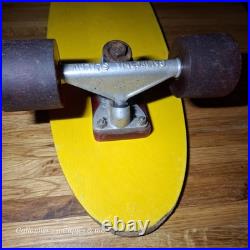
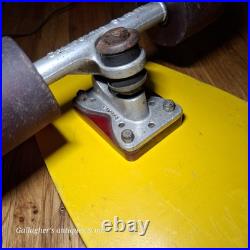
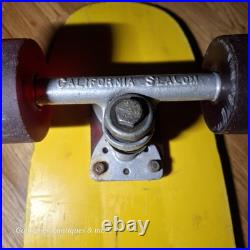
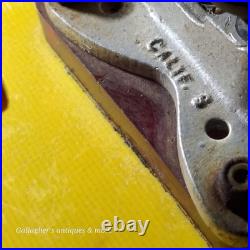
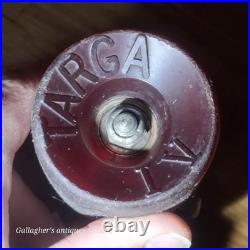
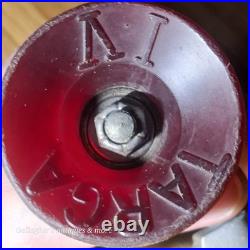
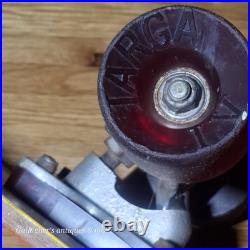
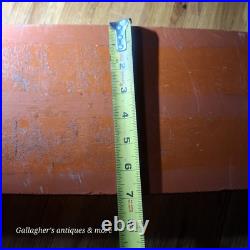
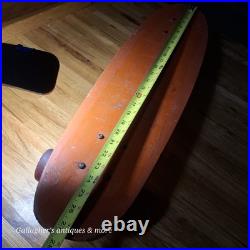
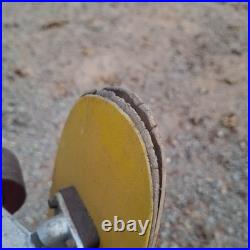
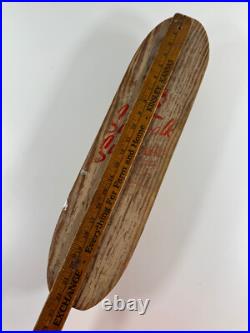
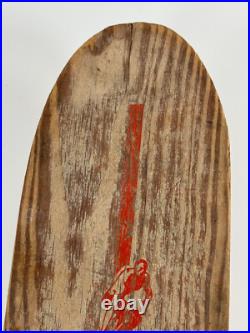
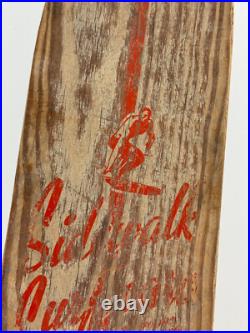
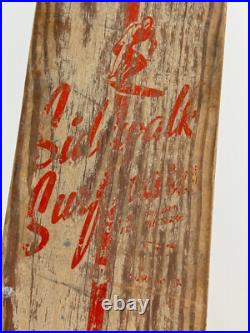
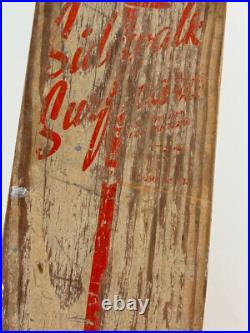
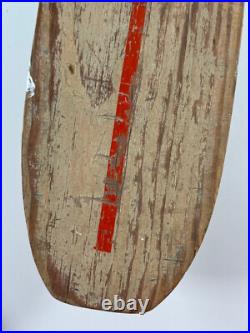
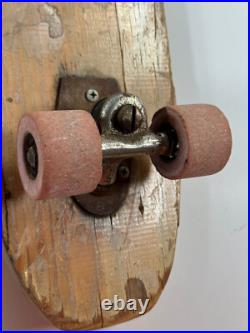
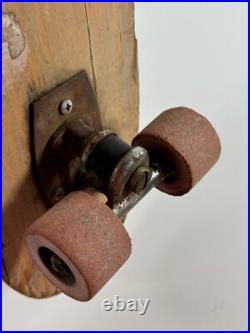
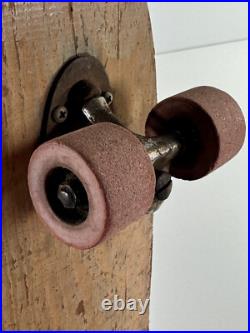
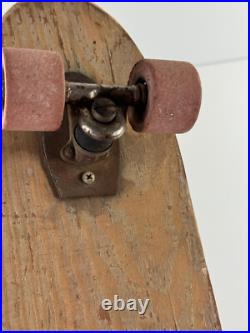
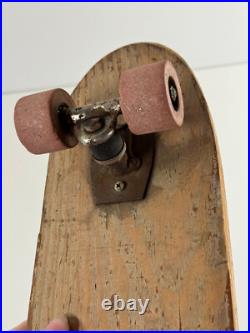
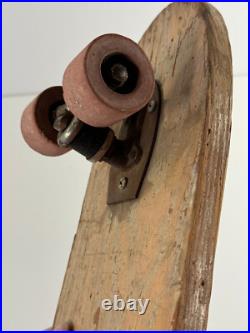
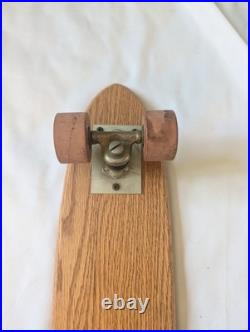
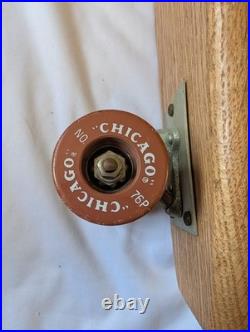
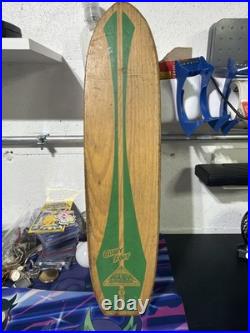
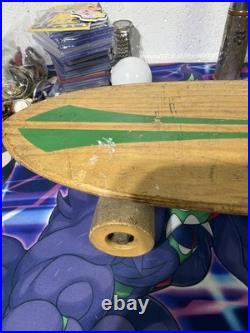
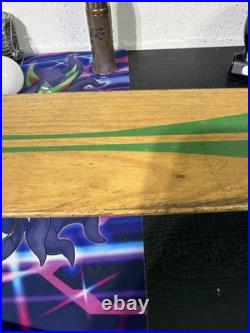
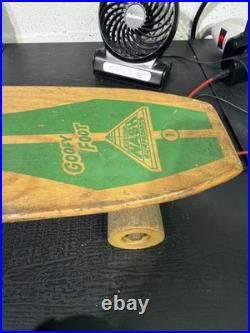
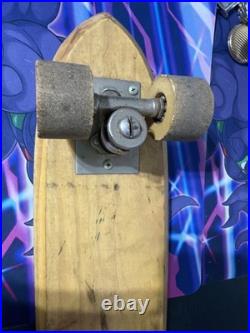
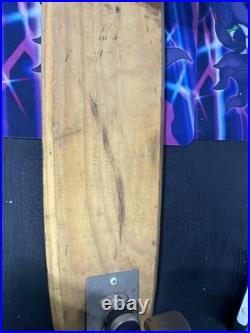
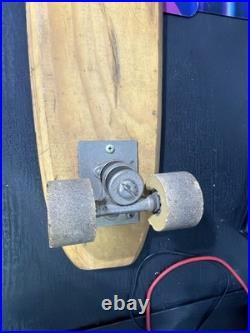
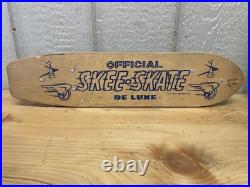
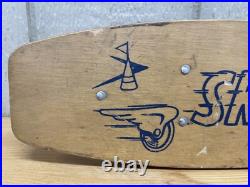
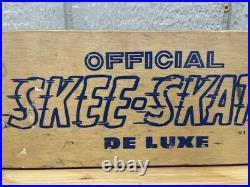
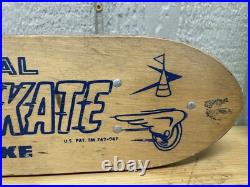
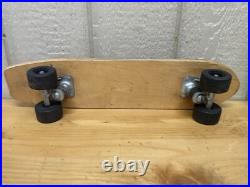
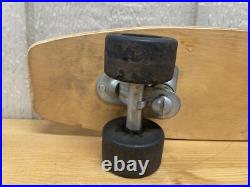
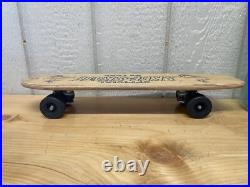
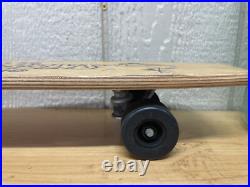
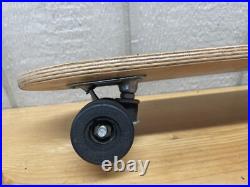
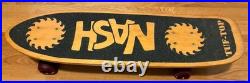
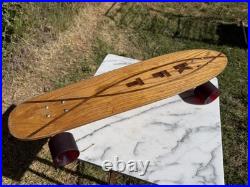
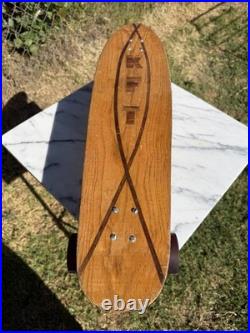
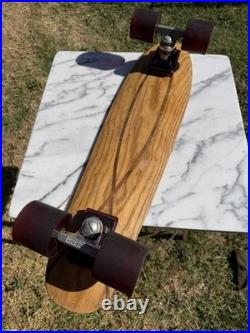
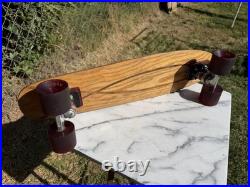
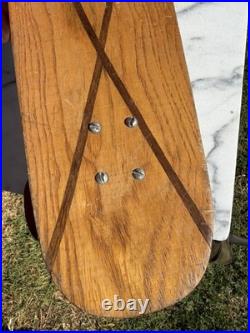
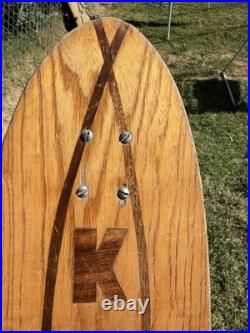
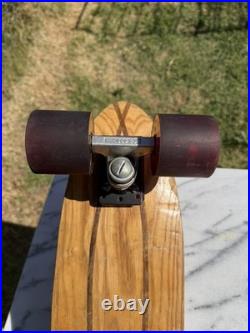
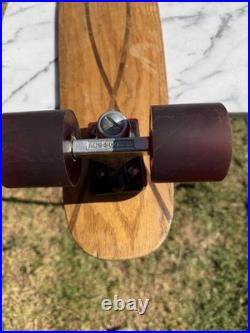
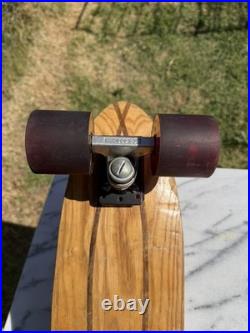
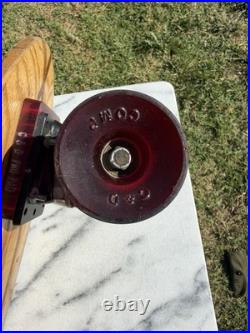
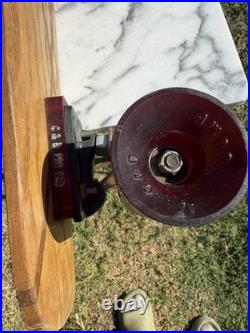
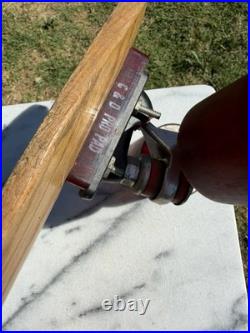
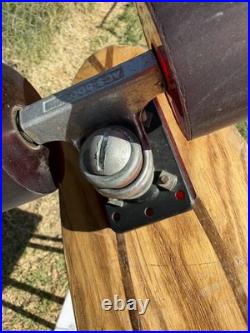
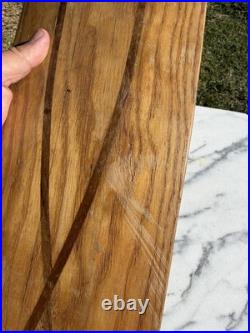
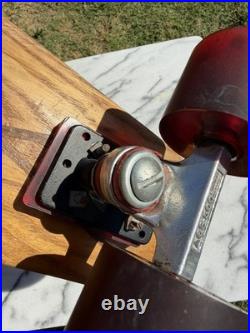
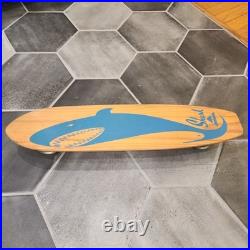
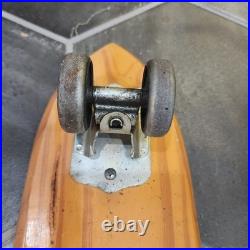
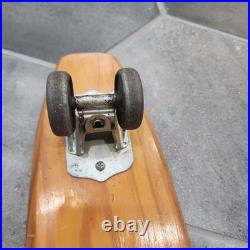
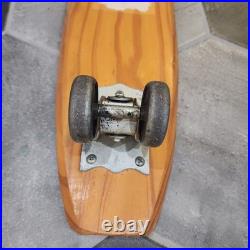
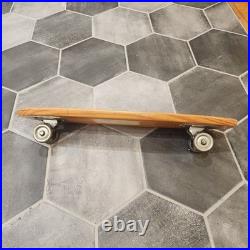
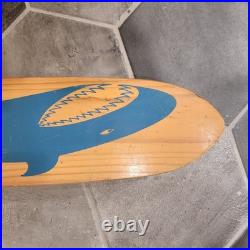
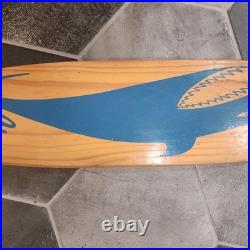
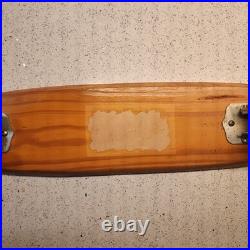
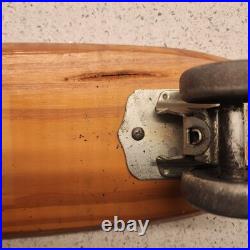
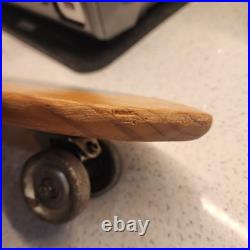
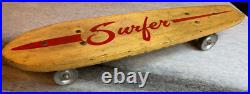
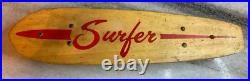
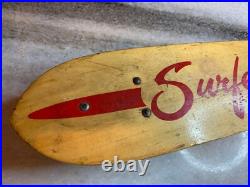
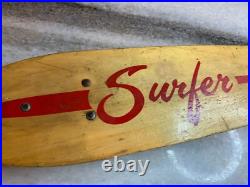
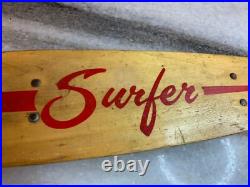
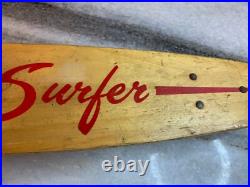
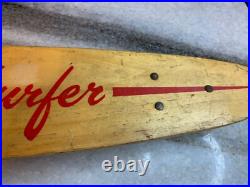
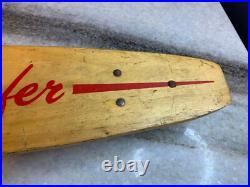
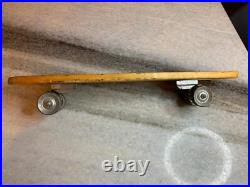
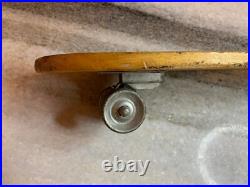
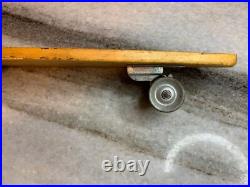
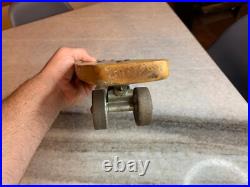
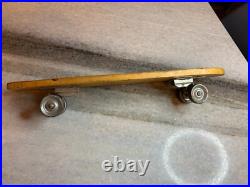
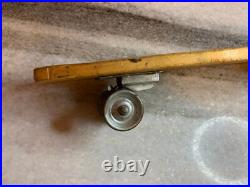
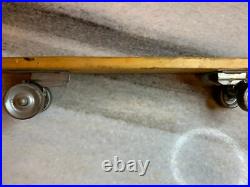
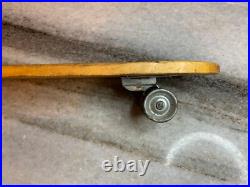
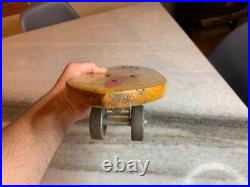
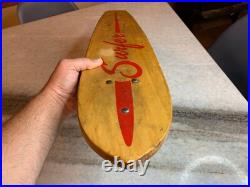
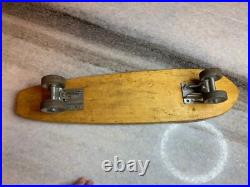
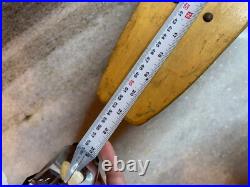
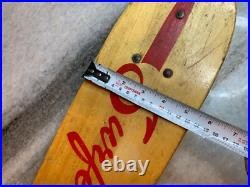
This thing doesn’t just roll-it teleports you straight into mid-century optimism, bad ideas, and fearless childhoods. Before urethane, before helmets, before anyone thought “maybe this could go wrong”. “Surf-n-Ski” skateboard is from a time when skateboarding was barely a concept and gravity was treated like a suggestion. One pebble away from seeing God. And that’s exactly why it matters. Fox Manufacturing operated out of Chatham, Ontario, a mid-century Canadian industrial town known for metalworking, woodworking, and practical manufacturing-not youth rebellion or counterculture. Fox wasn’t trying to invent a lifestyle brand. They were adapting existing manufacturing skills to new postwar leisure trends. This board is a perfect example of that mindset. Woodworking borrowed from furniture and sled construction. Metal trucks adapted from roller skates. Steel wheels because. Well. That’s what they already knew how to make. Skateboards didn’t yet have their own industry. They were assembled from whatever already existed, and Fox was right there at the beginning. When This Was Made: Life in the Late 1950s-Early 1960s. This board comes from the atomic-age sweet spot, when the future looked shiny and slightly dangerous. Rockets, jets, supersonic aircraft. Household TVs glowing with space-age promise. NASA racing the Soviet Union to the Moon. Everything from cars to toasters looked like it could break the sound barrier. Polio vaccines were finally changing childhood survival rates. Antibiotics were widely available but still felt miraculous. Safety standards were. Aspirational. Cold War tension everywhere. Duck-and-cover drills in schools. Space wasn’t just science-it was national identity. Kids were told to go outside and figure it out. Skateboarding History: How Early Is This? Skateboarding didn’t meaningfully exist until the late 1950s, when surfers in California bolted roller-skate trucks onto wooden planks to “surf” sidewalks when waves were flat. This board belongs to. Pre-urethane (urethane wheels don’t arrive until the early 1970s). Pre-tricks, pre-parks, pre-anything resembling modern skating. Most early boards were ridden to death, snapped, discarded, or replaced once better technology arrived. Survivors-especially complete ones with original graphics-are scarce. And yet. This entire era is wildly under-appreciated. Why This Era Is Underrated. Skate history often jumps straight to. But none of that happens without boards like this. These were the boards that. Proved rolling sideways was fun. Taught balance the hard way. Turned sidewalks into playgrounds. Set the foundation for everything that followed. They’re the missing chapter collectors are only just starting to value properly. The Imagery: Rockets, Travel, and the Future. Look at the graphics. That bold blue arrow-rocket motif isn’t accidental. Speed as a virtue. The name “Surf-n-Ski” perfectly captures the era’s obsession with hybrid leisure -combining sports, travel, and futuristic branding into one object. This wasn’t rebellion yet. This was optimism on wheels. The Ride: Absolutely Terrifying (and That’s the Point). Metal wheels on concrete are. There’s no grip. No margin for error. Every crack, pebble, or expansion joint is a negotiation with fate. Riding this would feel less like skating and more like testing experimental transportation technology. Which, frankly, makes it incredible. Why Collecting Skateboards Is a Genius Move. You can hang dozens in the space one painting would take. And early boards like this? They blur the line between. This isn’t just a skateboard. It’s a time capsule you can hang on a wall. Wheels: Original metal wheels. Length: 21.75 in (55.2 cm). Width: 5 5/8 in (14.3 cm). / MADE IN CANADA. Honest wear throughout-exactly what you want to see on something that actually lived. This board comes from a moment when. The future looked fast. Owning it isn’t about nostalgia. It’s about recognizing where everything started -before skateboarding became a culture, an industry, or an identity. And yes-your ankles are safer just looking at it.

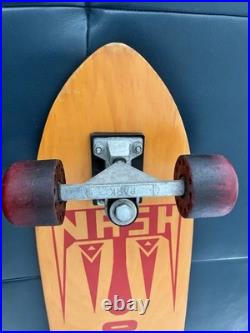
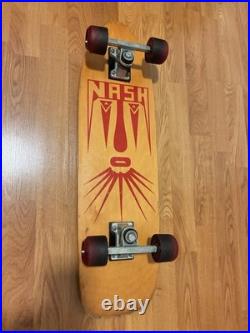
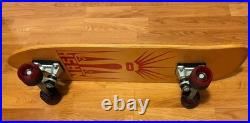
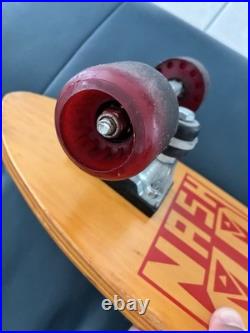
Nash Surf Board Vintage Wood Wooden Steel Wheels Skateboard SHARK Fort Worth TX

Nash Surf Board Vintage Wood Wooden Steel Wheels Skateboard SHARK Fort Worth TX

Nash Surf Board Vintage Wood Wooden Steel Wheels Skateboard SHARK Fort Worth TX

Nash Surf Board Vintage Wood Wooden Steel Wheels Skateboard SHARK Fort Worth TX

Nash Surf Board Vintage Wood Wooden Steel Wheels Skateboard SHARK Fort Worth TX

Nash Surf Board Vintage Wood Wooden Steel Wheels Skateboard SHARK Fort Worth TX

Nash Surf Board Vintage Wood Wooden Steel Wheels Skateboard SHARK Fort Worth TX

Nash Surf Board Vintage Wood Wooden Steel Wheels Skateboard SHARK Fort Worth TX

Nash Surf Board Vintage Wood Wooden Steel Wheels Skateboard SHARK Fort Worth TX

Nash Surf Board Vintage Wood Wooden Steel Wheels Skateboard SHARK Fort Worth TX

Nash Surf Board Vintage Wood Wooden Steel Wheels Skateboard SHARK Fort Worth TX

Nash Surf Board Vintage Wood Wooden Steel Wheels Skateboard SHARK Fort Worth TX

Nash Surf Board Vintage Wood Wooden Steel Wheels Skateboard SHARK Fort Worth TX

Nash Surf Board Vintage Wood Wooden Steel Wheels Skateboard SHARK Fort Worth TX

Nash Surf Board Vintage Wood Wooden Steel Wheels Skateboard SHARK Fort Worth TX

Nash Surf Board Vintage Wood Wooden Steel Wheels Skateboard SHARK Fort Worth TX

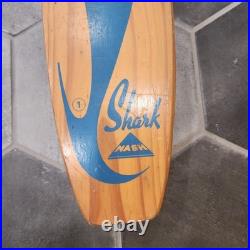
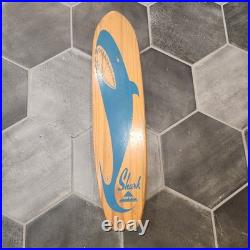
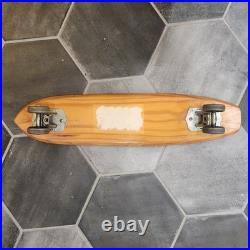
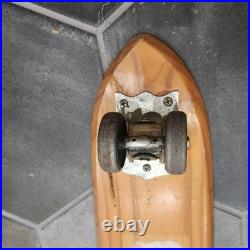
One of the very first! A rare, special, piece of Americana! Coined as a way to learn how to surf better…. Just enough use and patina to give her that street creed. This one is a NASH… It hails from Fort Worth, TEXAS! This is a relatively common board, but not in this condition it isn’t! However, before skateboards there were scooters, sometimes known as kick scooters and push scooters. Varied forms of scooters have been traced back to the early 1900s, most of them made from wood, metal, or a combination of the two. Scooters had anywhere from two to four wheels. Some of the wheels were metal and others were similar to the wheels on pedal cars. In the 1940s and 1950s, crate scooters made popular sidewalk vehicles. Most crate scooters were handmade. They were relatively inexpensive and simple for kids to construct by using a milk crate or wooden fruit box and metal roller skate wheels attached to a wooden 2 x 4. Eventually kids started removing the boxes and handlebars and just started riding the board with wheels, reminiscent of the famous skateboard scene in the 1985 film. Back to the Future. By the early 1960s, skateboarding started luring participants from the surfer scene. In 1962 a southern California surf shop, Val Surf, began making its own brand of skateboards and struck a deal with Chicago Roller Skate Company for the wheels. The skateboards began to attract everyday surfers who could use the boards when they weren’t in the water, and thus the term “sidewalk surfer” was coined. Additionally, skateboarding gained popularity when Larry Stevenson, publisher of. Promoted it in his monthly magazine. In 1963, Stevenson made the first professional skateboards using the Makaha brand and organized the first known skateboarding contest. That same year saw an evolution in skateboard design with the use of clay (also known as composite) wheels that replaced treacherous metal ones. Moving ahead, in 1964 surf and sailing entrepreneur Hobart “Hobie” Alter joined forces with Vita-Pakt company to make a line of Hobie skateboards; the Hobie line also sponsored several contests and professional skaters. Later that summer, the musical group Jan and Dean performed Sidewalk Surfin. On Dick Clark’s. An event which helped further popularize skateboarding with mainstream society. In 1965, the skateboarding sport peaked as manufacturers tried to keep up with the demand, cranking out an estimated 50 million skateboards between 1963 and 1965. In May, the world’s first skatepark, Surf City in Tucson, Arizona opened to the public..
Vintage ROLLER SURFER Metal Steel Wheels Skateboard Wood Wooden Nokomis Illinois

Vintage ROLLER SURFER Metal Steel Wheels Skateboard Wood Wooden Nokomis Illinois

Vintage ROLLER SURFER Metal Steel Wheels Skateboard Wood Wooden Nokomis Illinois

Vintage ROLLER SURFER Metal Steel Wheels Skateboard Wood Wooden Nokomis Illinois

Vintage ROLLER SURFER Metal Steel Wheels Skateboard Wood Wooden Nokomis Illinois

Vintage ROLLER SURFER Metal Steel Wheels Skateboard Wood Wooden Nokomis Illinois

Vintage ROLLER SURFER Metal Steel Wheels Skateboard Wood Wooden Nokomis Illinois

Vintage ROLLER SURFER Metal Steel Wheels Skateboard Wood Wooden Nokomis Illinois

Vintage ROLLER SURFER Metal Steel Wheels Skateboard Wood Wooden Nokomis Illinois

Vintage ROLLER SURFER Metal Steel Wheels Skateboard Wood Wooden Nokomis Illinois

Vintage ROLLER SURFER Metal Steel Wheels Skateboard Wood Wooden Nokomis Illinois

Vintage ROLLER SURFER Metal Steel Wheels Skateboard Wood Wooden Nokomis Illinois

Vintage ROLLER SURFER Metal Steel Wheels Skateboard Wood Wooden Nokomis Illinois

Vintage ROLLER SURFER Metal Steel Wheels Skateboard Wood Wooden Nokomis Illinois

Vintage ROLLER SURFER Metal Steel Wheels Skateboard Wood Wooden Nokomis Illinois

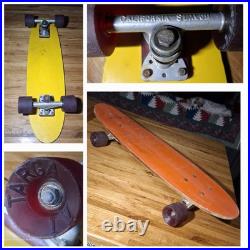
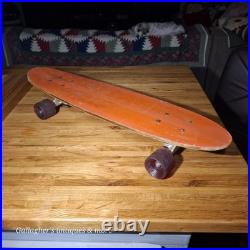
One of the very first! Circa 1960 – somethin. A rare, special, piece of Americana! Small at 18.75″ Long x 4.75″ W. Coined as a way to learn how to surf better…. Or in this case Sidewalk Surfing. Just enough use and patina to give her that street creed. Hedlund Skateboards were produced by the Hedlund Manufacturing Company, founded in 1949 by Swan Hedlund in Nokomis, Illinois. Initially specializing in snow skis, the company expanded into skateboard production during the 1960s, a period when skateboarding was gaining popularity in the United States. One of their notable skateboard lines was the “Roller Surfer” series, which included models such as the #100, #200, and #500. The Roller Surfer #100, for instance, measured 4.4 inches in width and 18.9 inches in length. The #500 models featured variations in design, including differences in tail shape and truck mounting configurations. Some of these boards bore graphics depicting a skier silhouette beneath the Hedlund logo, reflecting the company’s roots in ski manufacturing. However, before skateboards there were scooters, sometimes known as kick scooters and push scooters. Varied forms of scooters have been traced back to the early 1900s, most of them made from wood, metal, or a combination of the two. Scooters had anywhere from two to four wheels. Some of the wheels were metal and others were similar to the wheels on pedal cars. In the 1940s and 1950s, crate scooters made popular sidewalk vehicles. Most crate scooters were handmade. They were relatively inexpensive and simple for kids to construct by using a milk crate or wooden fruit box and metal roller skate wheels attached to a wooden 2 x 4. Eventually kids started removing the boxes and handlebars and just started riding the board with wheels, reminiscent of the famous skateboard scene in the 1985 film. Back to the Future. By the early 1960s, skateboarding started luring participants from the surfer scene. In 1962 a southern California surf shop, Val Surf, began making its own brand of skateboards and struck a deal with Chicago Roller Skate Company for the wheels. The skateboards began to attract everyday surfers who could use the boards when they weren’t in the water, and thus the term “sidewalk surfer” was coined. Additionally, skateboarding gained popularity when Larry Stevenson, publisher of. Promoted it in his monthly magazine. In 1963, Stevenson made the first professional skateboards using the Makaha brand and organized the first known skateboarding contest. That same year saw an evolution in skateboard design with the use of clay (also known as composite) wheels that replaced treacherous metal ones. Moving ahead, in 1964 surf and sailing entrepreneur Hobart “Hobie” Alter joined forces with Vita-Pakt company to make a line of Hobie skateboards; the Hobie line also sponsored several contests and professional skaters. Later that summer, the musical group Jan and Dean performed Sidewalk Surfin. On Dick Clark’s. An event which helped further popularize skateboarding with mainstream society. In 1965, the skateboarding sport peaked as manufacturers tried to keep up with the demand, cranking out an estimated 50 million skateboards between 1963 and 1965. In May, the world’s first skatepark, Surf City in Tucson, Arizona opened to the public..
Roller Derby Surf Board Vintage Steel Metal Wheels Skateboard Wood Illinois

Roller Derby Surf Board Vintage Steel Metal Wheels Skateboard Wood Illinois

Roller Derby Surf Board Vintage Steel Metal Wheels Skateboard Wood Illinois

Roller Derby Surf Board Vintage Steel Metal Wheels Skateboard Wood Illinois

Roller Derby Surf Board Vintage Steel Metal Wheels Skateboard Wood Illinois

Roller Derby Surf Board Vintage Steel Metal Wheels Skateboard Wood Illinois

Roller Derby Surf Board Vintage Steel Metal Wheels Skateboard Wood Illinois

Roller Derby Surf Board Vintage Steel Metal Wheels Skateboard Wood Illinois

Roller Derby Surf Board Vintage Steel Metal Wheels Skateboard Wood Illinois

Roller Derby Surf Board Vintage Steel Metal Wheels Skateboard Wood Illinois

Roller Derby Surf Board Vintage Steel Metal Wheels Skateboard Wood Illinois

Roller Derby Surf Board Vintage Steel Metal Wheels Skateboard Wood Illinois

Roller Derby Surf Board Vintage Steel Metal Wheels Skateboard Wood Illinois

Roller Derby Surf Board Vintage Steel Metal Wheels Skateboard Wood Illinois

Roller Derby Surf Board Vintage Steel Metal Wheels Skateboard Wood Illinois

Roller Derby Surf Board Vintage Steel Metal Wheels Skateboard Wood Illinois

Roller Derby Surf Board Vintage Steel Metal Wheels Skateboard Wood Illinois

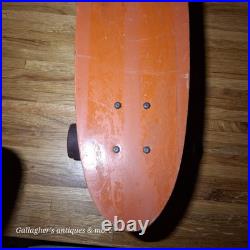
One of the very first! A rare, special, piece of Americana! 4.5″ W x 18 7/8″ L. Coined as a way to learn how to surf better…. Just enough use and patina to give her that street creed. Original 1960s Roller Derby sidewalk skateboard, featuring a red-painted wooden deck with white stenciled. Branding, mounted on sturdy steel roller-skate style trucks and wheels. This is a genuine early production model from the dawn of the skateboarding craze. The Roller Derby Skate Company, based in Litchfield, Illinois, was one of the first companies to mass-produce skateboards in the United States. Their Model #10, among others, introduced thousands of kids to skating before polyurethane wheels and modern deck shapes took over in the 1970s. Original wooden deck with beveled edges and red paint. White stencil “Roller Derby” graphics on top. Steel wheels on cast metal trucks. Made in USA – Litchfield, Illinois. However, before skateboards there were scooters, sometimes known as kick scooters and push scooters. Varied forms of scooters have been traced back to the early 1900s, most of them made from wood, metal, or a combination of the two. Scooters had anywhere from two to four wheels. Some of the wheels were metal and others were similar to the wheels on pedal cars. In the 1940s and 1950s, crate scooters made popular sidewalk vehicles. Most crate scooters were handmade. They were relatively inexpensive and simple for kids to construct by using a milk crate or wooden fruit box and metal roller skate wheels attached to a wooden 2 x 4. Eventually kids started removing the boxes and handlebars and just started riding the board with wheels, reminiscent of the famous skateboard scene in the 1985 film. Back to the Future. By the early 1960s, skateboarding started luring participants from the surfer scene. In 1962 a southern California surf shop, Val Surf, began making its own brand of skateboards and struck a deal with Chicago Roller Skate Company for the wheels. The skateboards began to attract everyday surfers who could use the boards when they weren’t in the water, and thus the term “sidewalk surfer” was coined. Additionally, skateboarding gained popularity when Larry Stevenson, publisher of. Promoted it in his monthly magazine. In 1963, Stevenson made the first professional skateboards using the Makaha brand and organized the first known skateboarding contest. That same year saw an evolution in skateboard design with the use of clay (also known as composite) wheels that replaced treacherous metal ones. Moving ahead, in 1964 surf and sailing entrepreneur Hobart “Hobie” Alter joined forces with Vita-Pakt company to make a line of Hobie skateboards; the Hobie line also sponsored several contests and professional skaters. Later that summer, the musical group Jan and Dean performed Sidewalk Surfin. On Dick Clark’s. An event which helped further popularize skateboarding with mainstream society. In 1965, the skateboarding sport peaked as manufacturers tried to keep up with the demand, cranking out an estimated 50 million skateboards between 1963 and 1965. In May, the world’s first skatepark, Surf City in Tucson, Arizona opened to the public..
Splinter By DURAFLEX Vintage 1970′s Mahogany Wood Skateboard Very Good Condition

Splinter By DURAFLEX Vintage 1970's Mahogany Wood Skateboard Very Good Condition

Splinter By DURAFLEX Vintage 1970's Mahogany Wood Skateboard Very Good Condition

Splinter By DURAFLEX Vintage 1970's Mahogany Wood Skateboard Very Good Condition

Splinter By DURAFLEX Vintage 1970's Mahogany Wood Skateboard Very Good Condition

Splinter By DURAFLEX Vintage 1970's Mahogany Wood Skateboard Very Good Condition

Splinter By DURAFLEX Vintage 1970's Mahogany Wood Skateboard Very Good Condition

Splinter By DURAFLEX Vintage 1970's Mahogany Wood Skateboard Very Good Condition

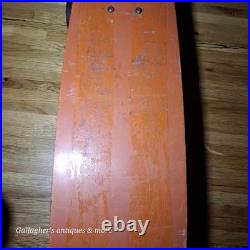
The Splinter by DURAFLEX Vintage 1970′s Mahogany Wood Skateboard is a nostalgic piece of sporting equipment that captures the essence of skateboarding in the 70s. Made by the reputable brand DURAFLEX, this kicktail skateboard is crafted from quality hardwood, giving it a unique and stylish look. Perfect for enthusiasts of vintage skateboarding and outdoor sports, this unique piece is sure to bring a touch of retro flair to any skating collection.

1960s Apollo Apolo Skateship Wood Wooden Skateboard Skate Board Metal Wheels

1960s Apollo Apolo Skateship Wood Wooden Skateboard Skate Board Metal Wheels

1960s Apollo Apolo Skateship Wood Wooden Skateboard Skate Board Metal Wheels

1960s Apollo Apolo Skateship Wood Wooden Skateboard Skate Board Metal Wheels

1960s Apollo Apolo Skateship Wood Wooden Skateboard Skate Board Metal Wheels

1960s Apollo Apolo Skateship Wood Wooden Skateboard Skate Board Metal Wheels

1960s Apollo Apolo Skateship Wood Wooden Skateboard Skate Board Metal Wheels

1960s Apollo Apolo Skateship Wood Wooden Skateboard Skate Board Metal Wheels

1960s Apollo Apolo Skateship Wood Wooden Skateboard Skate Board Metal Wheels

1960s Apollo Apolo Skateship Wood Wooden Skateboard Skate Board Metal Wheels

1960s Apollo Apolo Skateship Wood Wooden Skateboard Skate Board Metal Wheels

1960s Apollo Apolo Skateship Wood Wooden Skateboard Skate Board Metal Wheels

1960s Apollo Apolo Skateship Wood Wooden Skateboard Skate Board Metal Wheels

1960s Apollo Apolo Skateship Wood Wooden Skateboard Skate Board Metal Wheels

1960s Apollo Apolo Skateship Wood Wooden Skateboard Skate Board Metal Wheels

1960s Apollo Apolo Skateship Wood Wooden Skateboard Skate Board Metal Wheels

1960s Apollo Apolo Skateship Wood Wooden Skateboard Skate Board Metal Wheels

1960s Apollo Apolo Skateship Wood Wooden Skateboard Skate Board Metal Wheels

The Holy Grail if you ask me.. Remembering our historical 1960s ventures into outer space (Apollo happened in’61). Its of the era whereby these first wooden boards with metal wheels were meant to teach you how to surf by what was assumed to be easier… This one is in better shape than many… And these are very rare. Note the is a faint “Larry” written in faded marker in the very top, tip, of the rocket (see finger point pics). Graphics are brighter and more complete with fine details than many examples; Lovely example. Made in Little Rock Arkansas! 23.25″ L x 5.5″ W. It doesn’t get cool than this folks! Vintage space travel meets vintage skateboarding! However, before skateboards there were scooters, sometimes known as kick scooters and push scooters. Varied forms of scooters have been traced back to the early 1900s, most of them made from wood, metal, or a combination of the two. Scooters had anywhere from two to four wheels. Some of the wheels were metal and others were similar to the wheels on pedal cars. In the 1940s and 1950s, crate scooters made popular sidewalk vehicles. Most crate scooters were handmade. They were relatively inexpensive and simple for kids to construct by using a milk crate or wooden fruit box and metal roller skate wheels attached to a wooden 2 x 4. Eventually kids started removing the boxes and handlebars and just started riding the board with wheels, reminiscent of the famous skateboard scene in the 1985 film. Back to the Future. By the early 1960s, skateboarding started luring participants from the surfer scene. In 1962 a southern California surf shop, Val Surf, began making its own brand of skateboards and struck a deal with Chicago Roller Skate Company for the wheels. The skateboards began to attract everyday surfers who could use the boards when they weren’t in the water, and thus the term “sidewalk surfer” was coined. Additionally, skateboarding gained popularity when Larry Stevenson, publisher of. Promoted it in his monthly magazine. In 1963, Stevenson made the first professional skateboards using the Makaha brand and organized the first known skateboarding contest. That same year saw an evolution in skateboard design with the use of clay (also known as composite) wheels that replaced treacherous metal ones. Moving ahead, in 1964 surf and sailing entrepreneur Hobart “Hobie” Alter joined forces with Vita-Pakt company to make a line of Hobie skateboards; the Hobie line also sponsored several contests and professional skaters. Later that summer, the musical group Jan and Dean performed Sidewalk Surfin. On Dick Clark’s. An event which helped further popularize skateboarding with mainstream society. In 1965, the skateboarding sport peaked as manufacturers tried to keep up with the demand, cranking out an estimated 50 million skateboards between 1963 and 1965. In May, the world’s first skatepark, Surf City in Tucson, Arizona opened to the public.. Skateboard with metal trucks. Old wooden skate deck. Metal wheels for smooth ride. Wooden skateboard with metal wheels. Retro metal wheels skateboard. 60s era skate deck. Vintage skateboard with character. Wooden skateboard with retro charm. Metal wheels for vintage feel. Classic wooden skateboard design. Vintage skateboard for collectors. Antique metal wheels skateboard. Vintage skateboard with history. Wooden deck with metal wheels. Classic skateboard with character. Vintage skateboard from Little Rock, Arkansas.
Rare Vintage Wood Wooden Skateboard Metal Wheels Striped Cat Lion Tiger Cheetah

Rare Vintage Wood Wooden Skateboard Metal Wheels Striped Cat Lion Tiger Cheetah

Rare Vintage Wood Wooden Skateboard Metal Wheels Striped Cat Lion Tiger Cheetah

Rare Vintage Wood Wooden Skateboard Metal Wheels Striped Cat Lion Tiger Cheetah

Rare Vintage Wood Wooden Skateboard Metal Wheels Striped Cat Lion Tiger Cheetah

Rare Vintage Wood Wooden Skateboard Metal Wheels Striped Cat Lion Tiger Cheetah

Rare Vintage Wood Wooden Skateboard Metal Wheels Striped Cat Lion Tiger Cheetah

Rare Vintage Wood Wooden Skateboard Metal Wheels Striped Cat Lion Tiger Cheetah

Rare Vintage Wood Wooden Skateboard Metal Wheels Striped Cat Lion Tiger Cheetah

Rare Vintage Wood Wooden Skateboard Metal Wheels Striped Cat Lion Tiger Cheetah

Rare Vintage Wood Wooden Skateboard Metal Wheels Striped Cat Lion Tiger Cheetah

Rare Vintage Wood Wooden Skateboard Metal Wheels Striped Cat Lion Tiger Cheetah

Rare Vintage Wood Wooden Skateboard Metal Wheels Striped Cat Lion Tiger Cheetah

Rare Vintage Wood Wooden Skateboard Metal Wheels Striped Cat Lion Tiger Cheetah

Rare Vintage Wood Wooden Skateboard Metal Wheels Striped Cat Lion Tiger Cheetah

Rare Vintage Wood Wooden Skateboard Metal Wheels Striped Cat Lion Tiger Cheetah

Rare Vintage Wood Wooden Skateboard Metal Wheels Striped Cat Lion Tiger Cheetah

Rare Vintage Wood Wooden Skateboard Metal Wheels Striped Cat Lion Tiger Cheetah

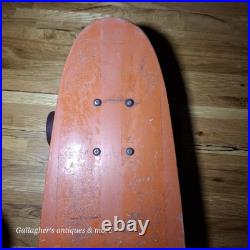
Print is still strong / vibrant and in much better condition than most. The last 1/3 of the tail looks double-printed accidently from the factory.. Makes me feel like its in-motion. Made by Nash of Texas! 26.25″ L x 5.25″ W.